
The sunken city of R'lyeh has been waiting patiently at the bottom of the Pacific, and today it opens its doors. Cthulhu: The Cosmic Abyss launched on April 16, 2026 across PC, PlayStation 5, and Xbox Series X|S, bringing developer Big Bad Wolf and publisher Nacon's vision of a first-person Lovecraftian investigation to life in Unreal Engine 5. It is a game that asks you to keep your flashlight steady and your sanity steadier as you piece together the fate of a missing crew of deep-sea miners.
Big Bad Wolf is best known for The Council and Vampire: The Masquerade — Swansong, both of which leaned heavily into branching narrative design. Cthulhu: The Cosmic Abyss represents a shift toward more environmental storytelling and direct exploration, though dialogue choices and investigation sequences remain at its core.
The Setup
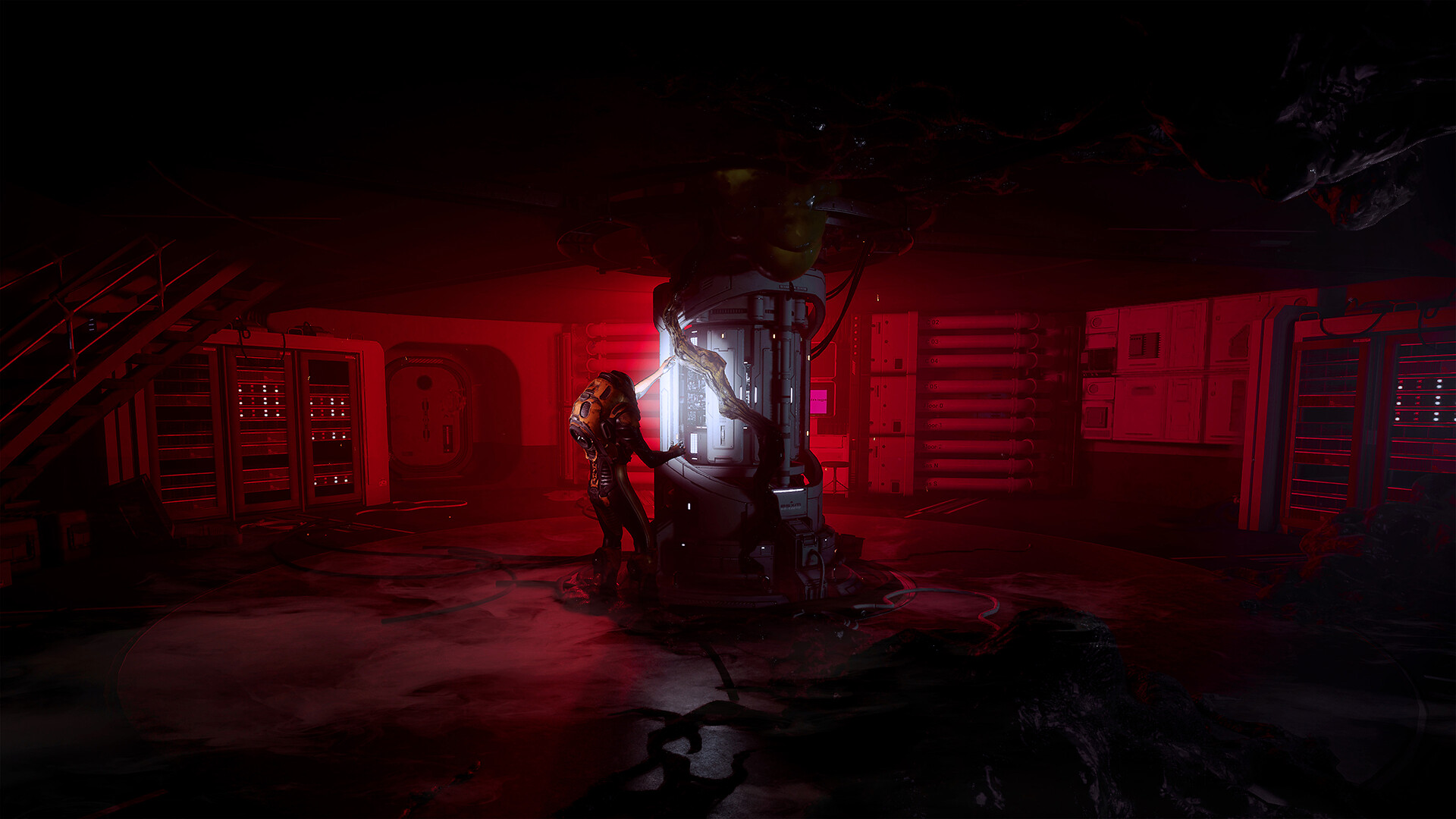
You play as Noah, an investigator specializing in occult affairs who is dispatched to a submarine station in the Pacific abyss after a mining operation run by the Ocean-I corporation goes silent. The station was shut down abruptly, the crew vanished, and the corporation is not being forthcoming about what they found down there. Accompanying Noah is Key, an AI companion who serves as both a guide and a narrative foil, offering analysis and commentary as you navigate the labyrinthine depths.
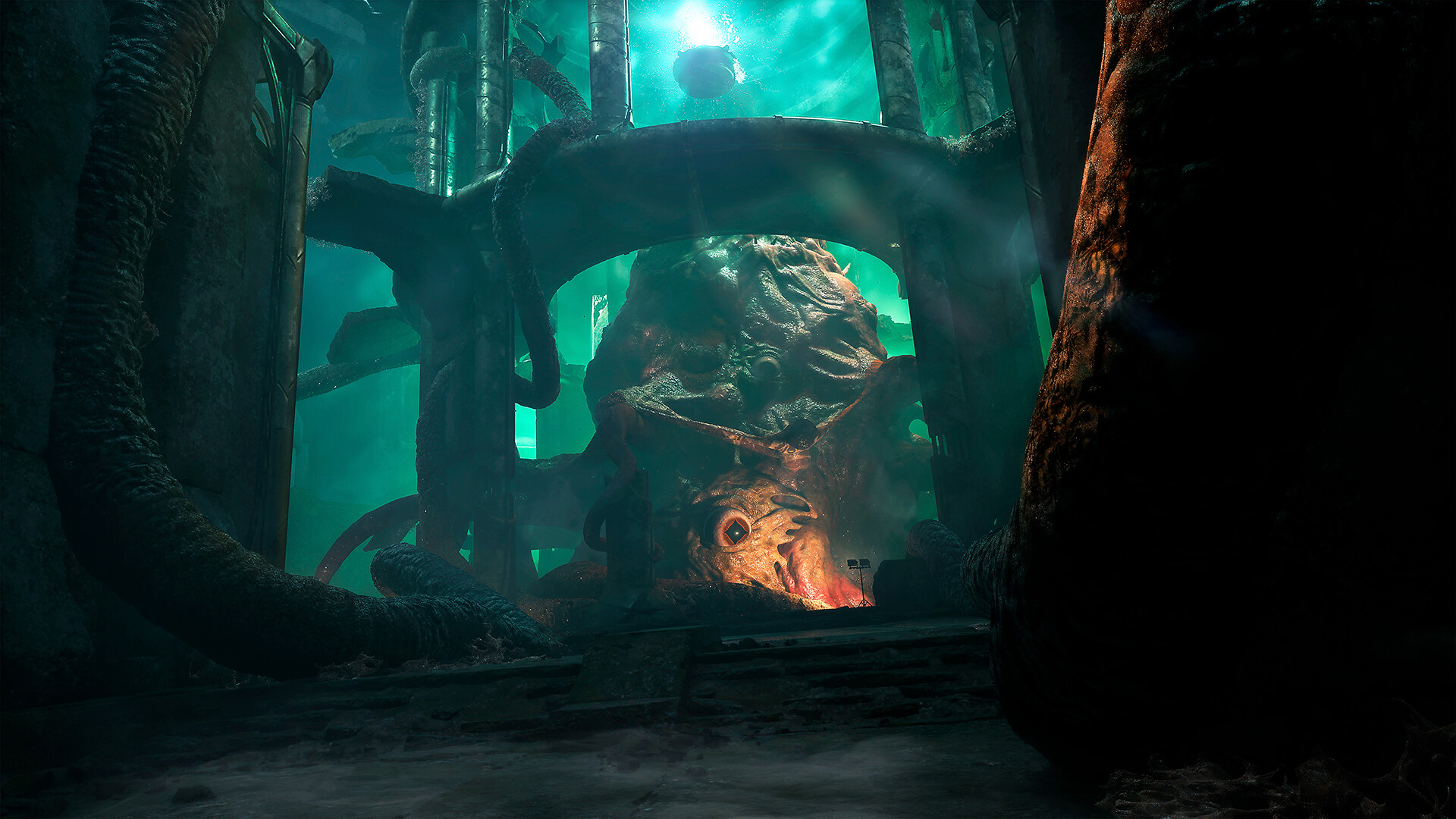
What begins as a corporate missing-persons case quickly unravels into something far older and far stranger. The trail leads to R'lyeh itself, the ancient, cyclopean city described in Lovecraft's original 1928 story. The game takes significant creative liberty with the source material, expanding the city into a sprawling, multi-layered environment filled with puzzles, environmental storytelling, and the kind of creeping dread that makes you check behind you even though nothing is there. Probably.
Gameplay and Mechanics
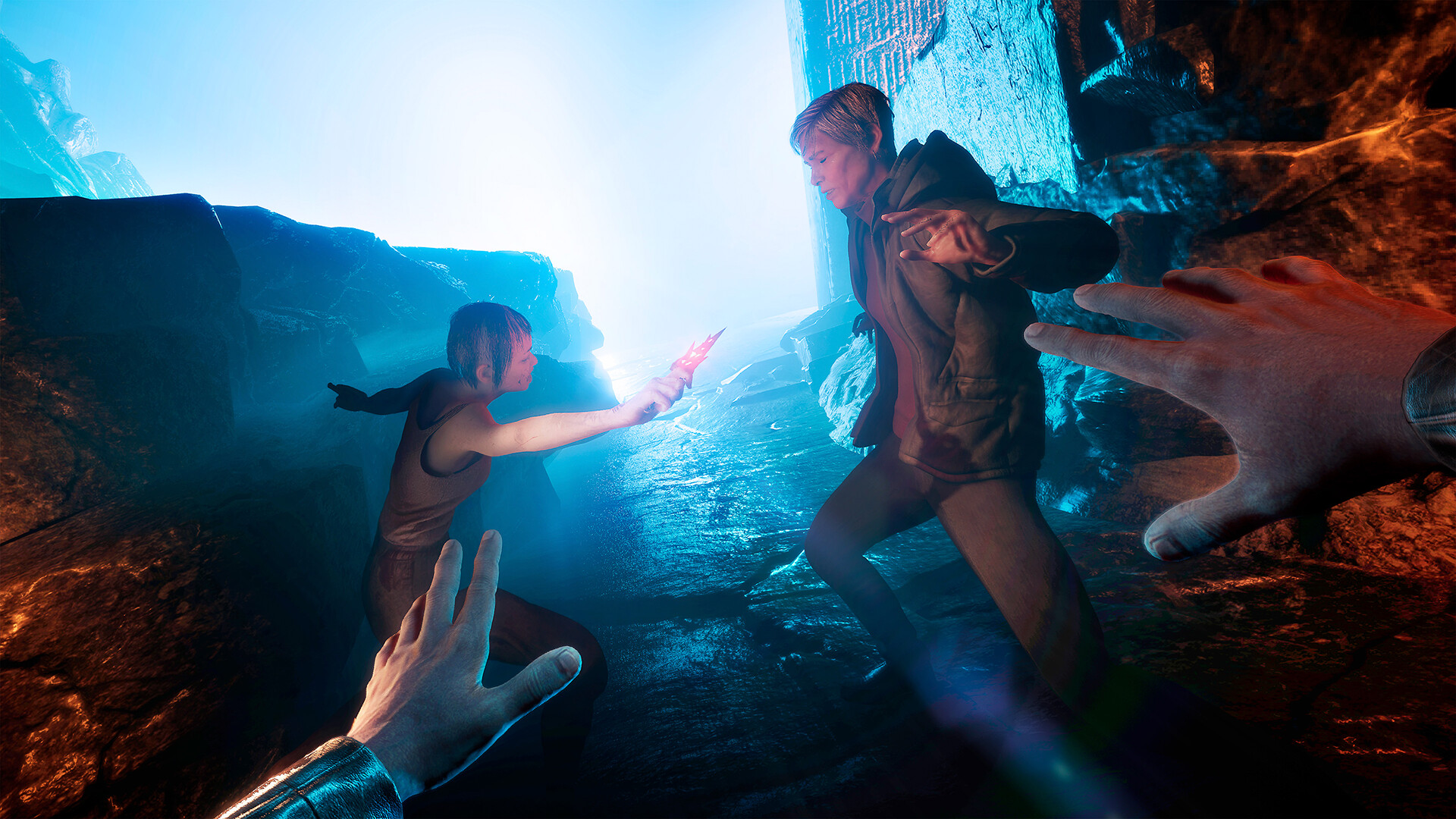
The game blends exploration, stealth, puzzle-solving, and a sanity management system that affects both gameplay and narrative outcomes. As Noah encounters increasingly disturbing sights, his mental state deteriorates, altering perception, dialogue options, and available paths through the environment. The sanity mechanic is not a simple health bar — it reshapes the game around your state of mind, locking off certain investigative approaches while opening others.
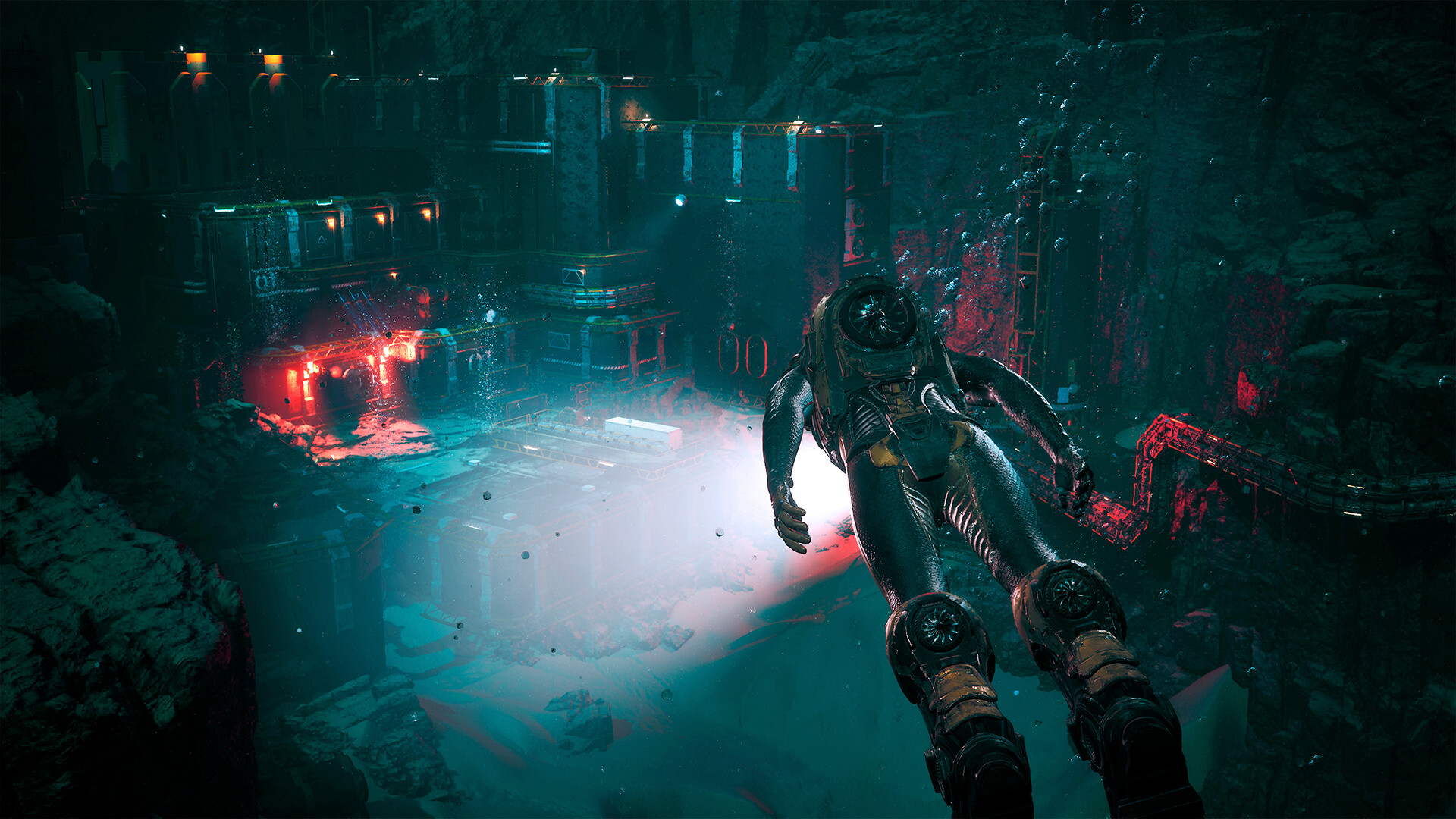
Stealth sequences punctuate the investigation, though they are not the primary focus. The game is at its strongest when it lets you simply explore, read logs, examine artifacts, and piece together what happened to the Ocean-I crew. There are no firearms and no combat in the traditional sense; survival is about observation, timing, and knowing when to run.
Visuals and Performance
Built on Unreal Engine 5 with full ray-tracing and path-tracing support, Cthulhu: The Cosmic Abyss is one of the most visually striking horror games in recent memory. The underwater environments are rendered with an oppressive, suffocating beauty — bioluminescent organisms cast shifting light across ancient stone corridors, and the sheer scale of R'lyeh is communicated through clever use of parallax and forced perspective. On PS5, the DualSense controller's haptic feedback is used extensively, simulating the pressure of deep water, the vibration of failing machinery, and the unsettling pulse of something enormous nearby.
Early reviews have been mixed but intrigued, with praise going to the atmosphere, visual design, and narrative ambition, while criticism has centered on the lack of fail-state consequences and some pacing issues in the middle act. For fans of investigative horror who value mood over jump scares, this could be exactly the deep dive they have been waiting for.
Cthulhu: The Cosmic Abyss is available now on Steam, PlayStation 5, and Xbox Series X|S. A 10% launch discount runs through April 23.