
Mephisto is coming. Three years after Diablo IV launched and established Lilith as one of the franchise's most compelling antagonists, Blizzard Entertainment is bringing the Prime Evil of Hatred himself to the forefront with Diablo IV: Lord of Hatred, the game's second major expansion. Arriving on April 28, 2026, Lord of Hatred is shaping up to be the most ambitious content update Diablo IV has received since launch, adding a new region, two new classes, a complete overhaul of the skill tree system across all eight existing classes, and a host of new endgame systems. With pre-purchase granting immediate access to the Paladin class right now, there has never been a better time to return to Sanctuary.
The story of Lord of Hatred picks up in the aftermath of Vessel of Hatred. Lilith was defeated, but her legacy endures as Neyrelle struggles to contain Mephisto, the Prime Evil whose essence she has been carrying. Now his power stirs once more, spreading corruption toward the sacred isles of Skovos and threatening all of Sanctuary. The expansion's central conflict pits players against a force far older and more powerful than anything Diablo IV has offered before, with a story that Blizzard promises will bring an end to the Age of Hatred in a climactic confrontation. The twist that has players talking: the only way to stop Mephisto may require working with Lilith herself.
Welcome to Skovos
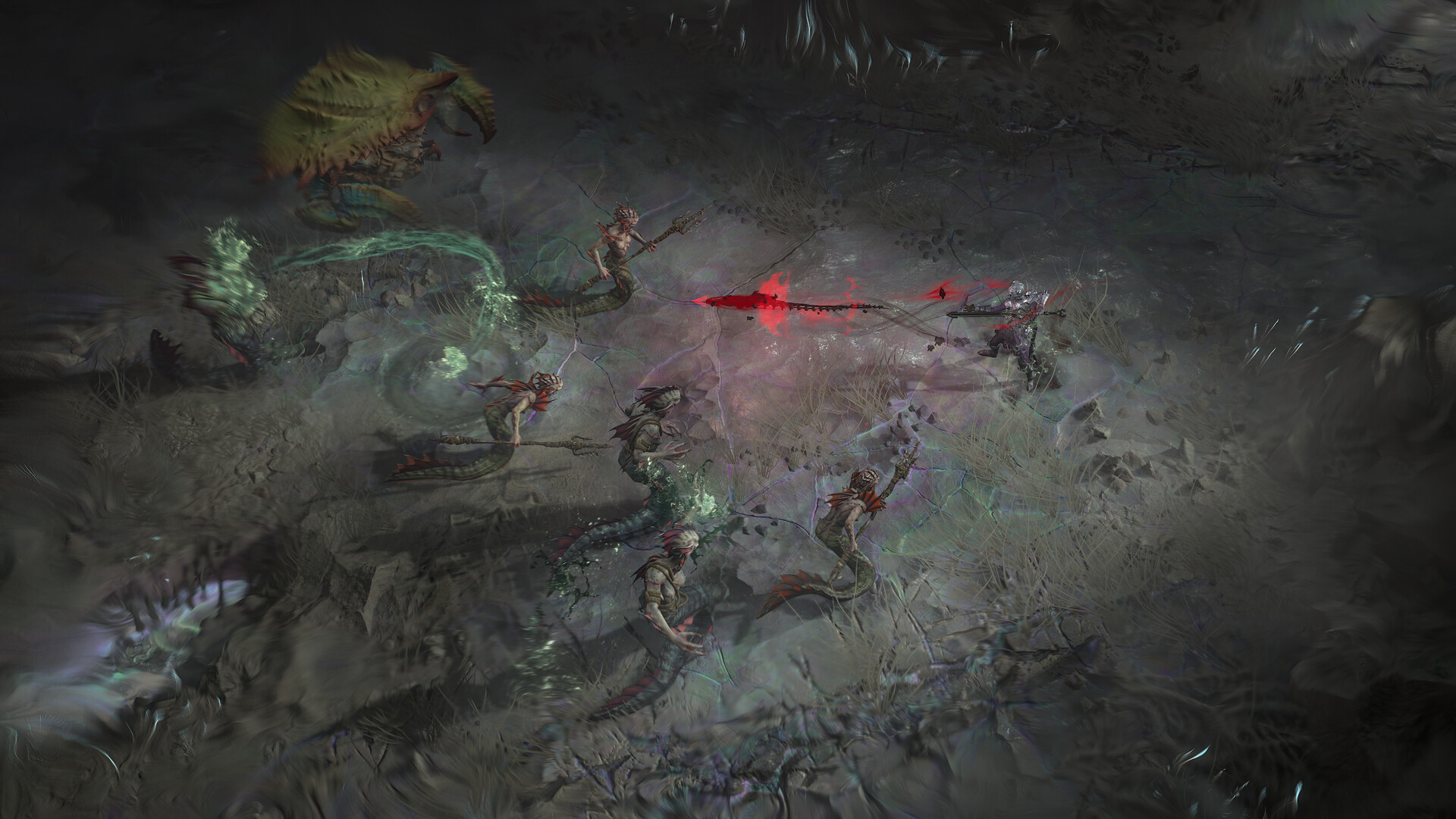
The expansion's new region, the sacred isles of Skovos, represents a dramatic visual departure from the dark, Gothic aesthetic that has defined Diablo IV's world so far. Skovos is a Mediterranean-influenced archipelago, a place of gleaming white buildings, turquoise waters, and ancient temples dedicated to the Amazons who have called these islands home for centuries. The corrupting influence of Mephisto's spreading hatred transforms these beautiful spaces in ways that feel genuinely horrific by contrast, turning paradise into nightmare in stages that give the environmental storytelling a distinct rhythm. Fighting through a marketplace as the corruption spreads around you, watching ordinary life shatter into violence and madness, gives the expansion's horror a more human dimension than the largely ruined landscapes of the base game.
The Amazons of Skovos have their own history, culture, and politics, and Blizzard has clearly invested in building this civilization out as more than just a backdrop. Named characters with complex motivations, factional conflicts that predate Mephisto's arrival, and a deep well of lore accessible through item descriptions and environmental details make Skovos feel like a place that existed before you arrived and will matter after the crisis is resolved. The architecture alone rewards exploration, with buildings that tell architectural stories about Amazon history through their construction methods and the symbols that decorate their facades.
The Paladin Returns
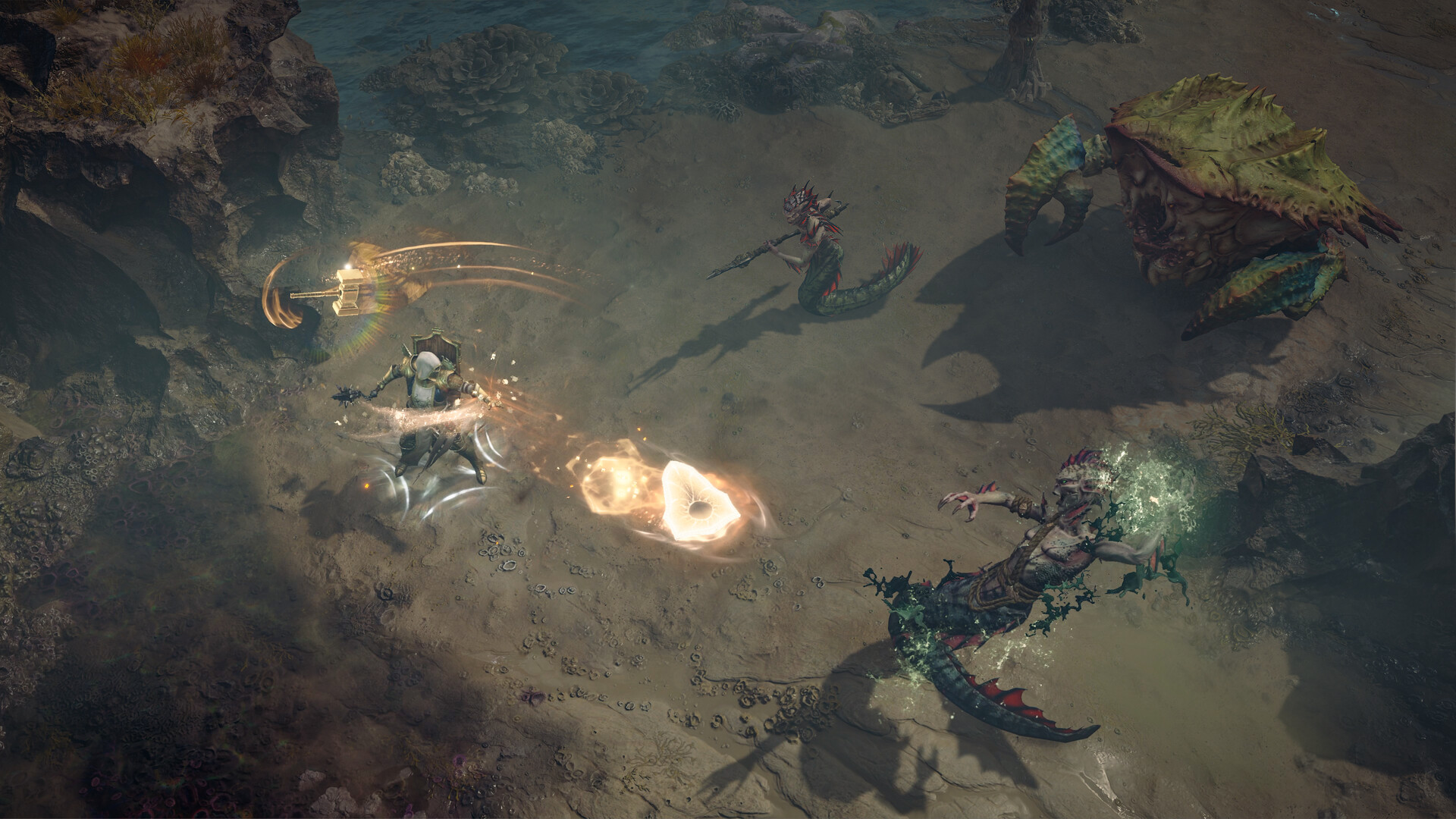
Twenty-five years after the Paladin first appeared in Diablo II, the class makes its long-anticipated return as the primary new addition in Lord of Hatred. The Paladin is built around faith, strength, and holy power, with a playstyle that revolves around auras, consecrated ground, and devastating holy-damage attacks that punish undead and demon enemies alike. Pre-purchase of the expansion grants immediate access to the class, meaning players can start leveling a Paladin right now before the expansion launches on April 28.
The skill tree brings back iconic abilities from Diablo II: Blessed Hammer, the homing holy projectile that defined Paladin builds for a generation of players, returns alongside Blessed Shield, Condemn, Zeal, and Heaven's Fury. New to the class is the Oath System, which lets Paladins make sacred covenants that modify how their abilities function. Different Oaths change the character's relationship with their aura skills, allowing players to build toward a defensive support-oriented Paladin, an aggressive zealot who charges through enemies, or a consecration specialist who transforms the battlefield with holy power before engaging. The depth suggested by the preview information is significant, and theory-crafters have already been dissecting the skill list posted on the official Diablo website.
The second new class, the Warlock, will be revealed and become available when Lord of Hatred launches on April 28. Blizzard has maintained strict silence about the Warlock's abilities and playstyle, which has generated considerable speculation in the community. Given the expansion's themes of hatred, corruption, and working with forces that are normally opposed to the players, a class that draws on forbidden or corrupted power seems thematically consistent. The Warlock's relationship with Mephisto's domain is expected to be central to how the class is framed in the story.
Skill Tree Overhaul Across All Classes
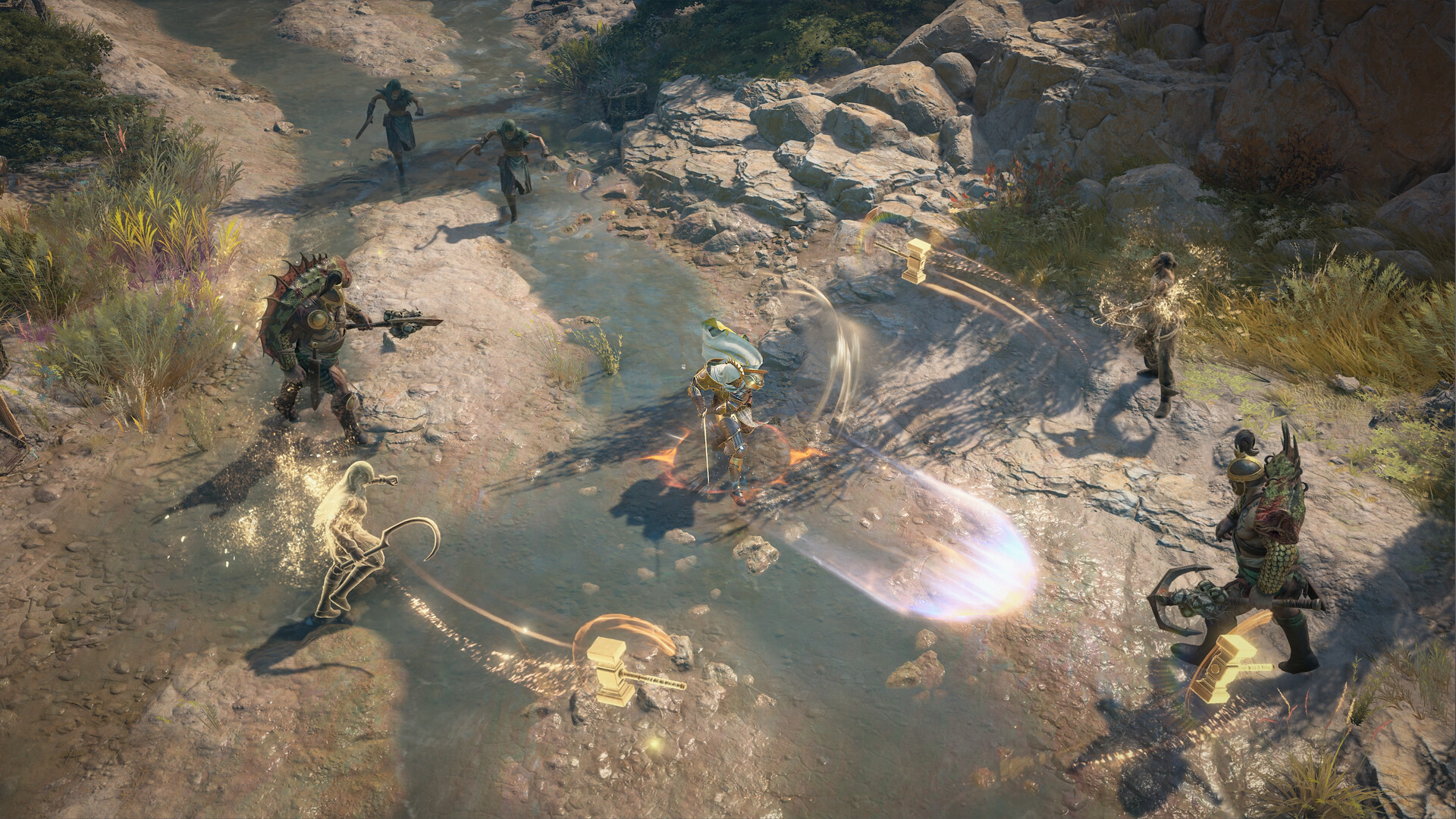
Lord of Hatred's most far-reaching change may not be the new classes or the new region but the complete rework of the skill trees for all eight existing classes. Every class is receiving new skill variants, additional passive options, and redesigned node connections that Blizzard says will dramatically expand the viable build space for each character type. Barbarians, Sorcerers, Druids, Rogues, Necromancers, Spiritborns, and the two Vessel of Hatred classes are all getting what amounts to a mechanical refresh that rewrites how they progress and specialize.
Alongside the skill tree changes comes a raised level cap, giving dedicated players more room to invest in their characters and access higher tiers of power. The new War Plans system provides a structured way to approach endgame progression, letting players chart a path through the endgame content that suits their goals rather than following a prescriptive sequence. This is a direct response to feedback from players who found Diablo IV's endgame too linear in its advancement requirements, and it addresses one of the most persistent criticisms of the original game's long-term engagement loop.
New Systems and Quality-of-Life Additions
Blizzard has confirmed several additional systems coming with Lord of Hatred. Fishing, genuinely, is one of them: a new activity that provides a peaceful counterpoint to the demon-slaying that defines the rest of the game. Fishing in Diablo IV is designed to yield unique rewards unavailable through standard gameplay, making it more than a cosmetic distraction for players who want everything the game offers. Given how beloved fishing has been in games like World of Warcraft and Stardew Valley, the addition feels less strange in context than it might sound on paper.
The expansion also includes new Paragon board additions for existing classes, new gear sets tied to the Skovos region, and additional Nightmare Dungeons built around the expansion's environments and enemy types. The Amazon enemies introduced in Skovos will also appear in existing Nightmare Dungeons, keeping the endgame content feeling fresh for players who have already exhausted the base game's dungeon pool.
Should You Pre-Purchase?
For players who are already engaged with Diablo IV, Lord of Hatred presents a compelling value proposition. The immediate Paladin access makes the pre-purchase useful right now rather than just a reservation, and the scope of changes coming to all existing classes means the expansion will reshape the entire game regardless of whether players buy it. The raised level cap, skill tree reworks, and War Plans system will be available to all players as a free update, with the new classes, region, and story locked to expansion owners.
Diablo IV: Lord of Hatred launches April 28, 2026. Standard, Deluxe, and Ultimate editions are available at different price points, with higher tiers including additional cosmetics, a battle pass, and the Vessel of Hatred expansion for players who do not already own it. Our full review will be live at launch.