
 Pokemon Pokopia, which Koei Tecmo co-developed with Game Freak, sold 2.2 million copies in its first four days on sale. For a Pokemon spinoff developed outside Nintendo's traditional first-party pipeline, that is a strong opening that validates the decision to expand the franchise's development partnerships.
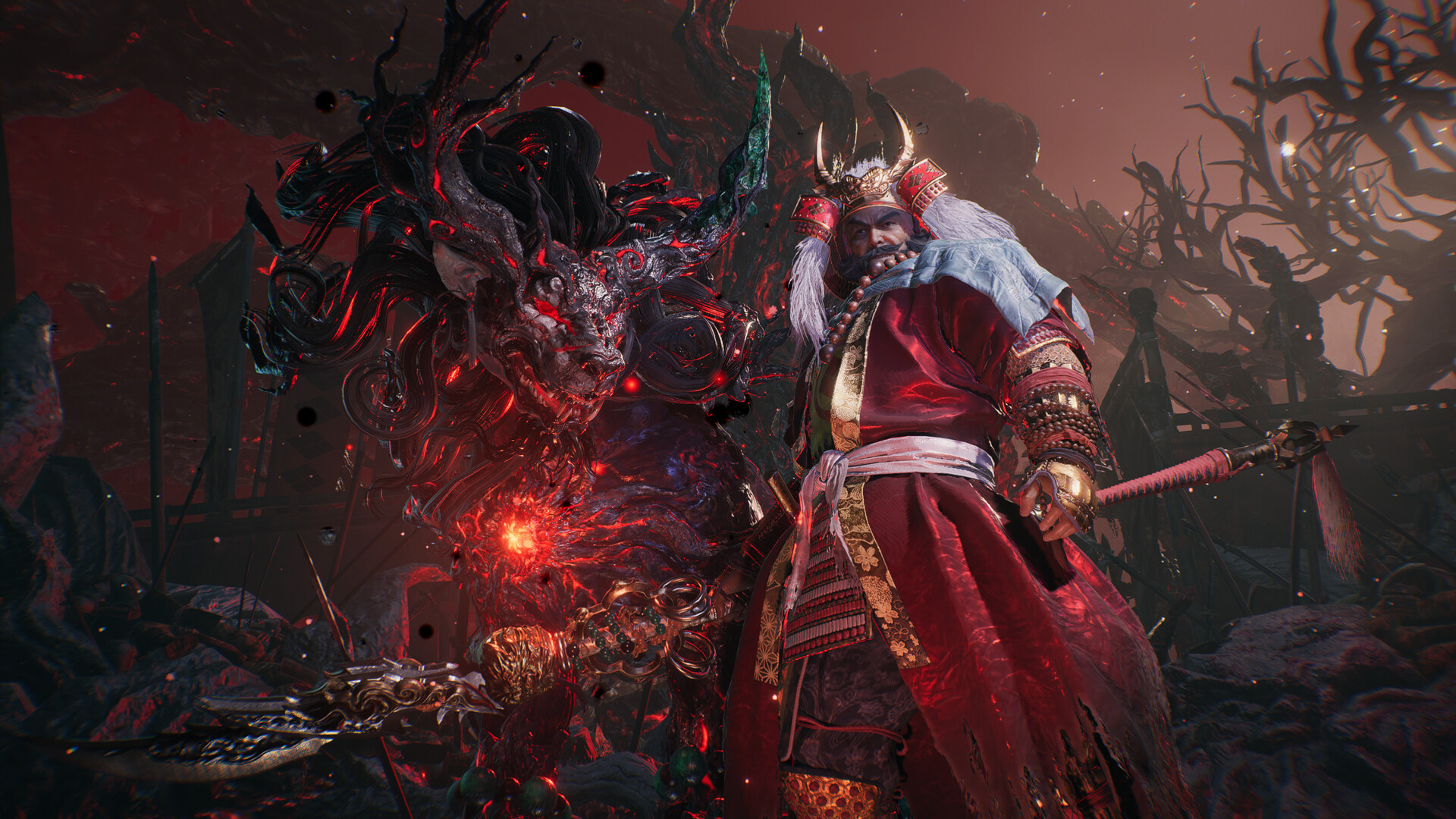
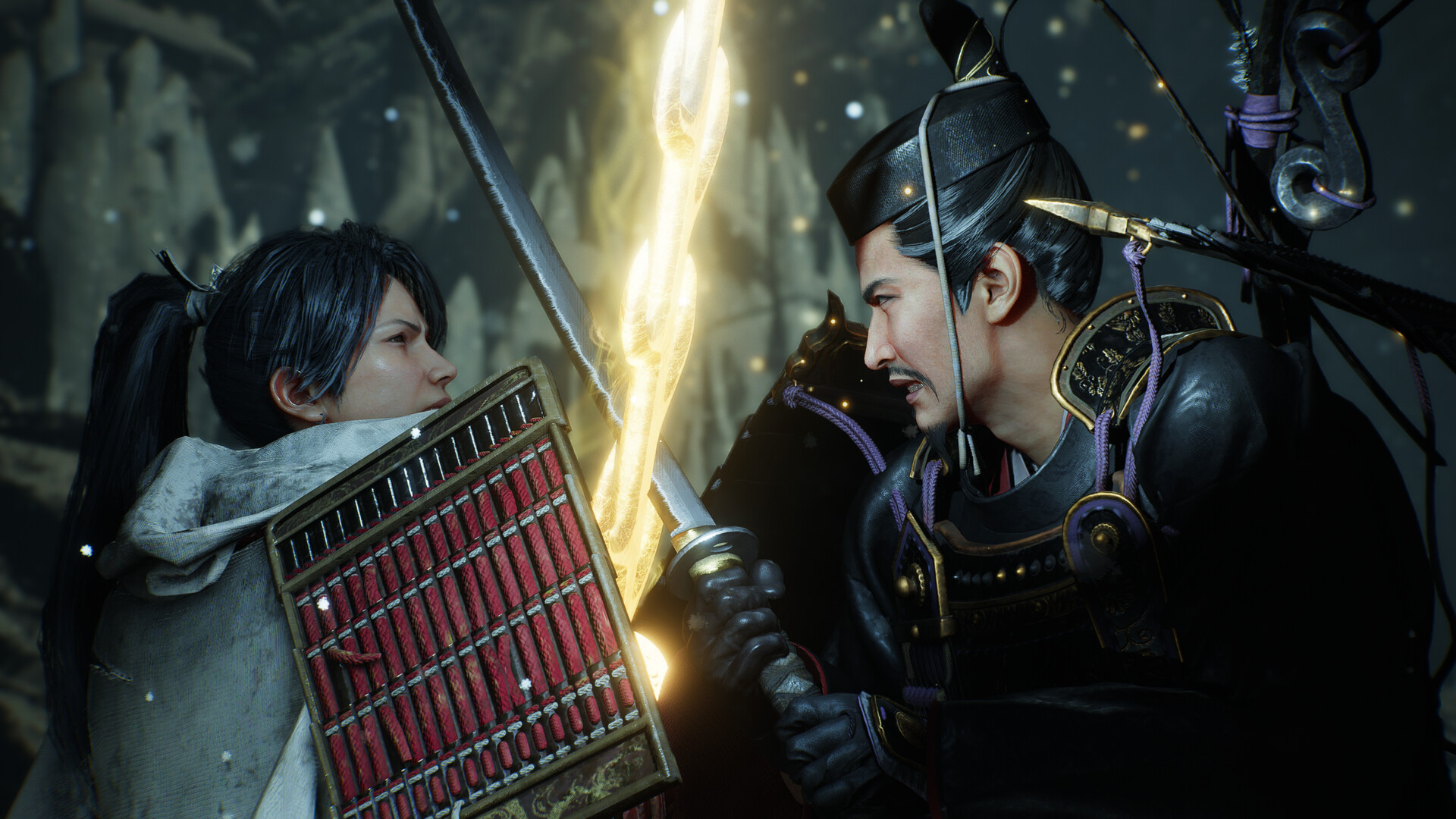
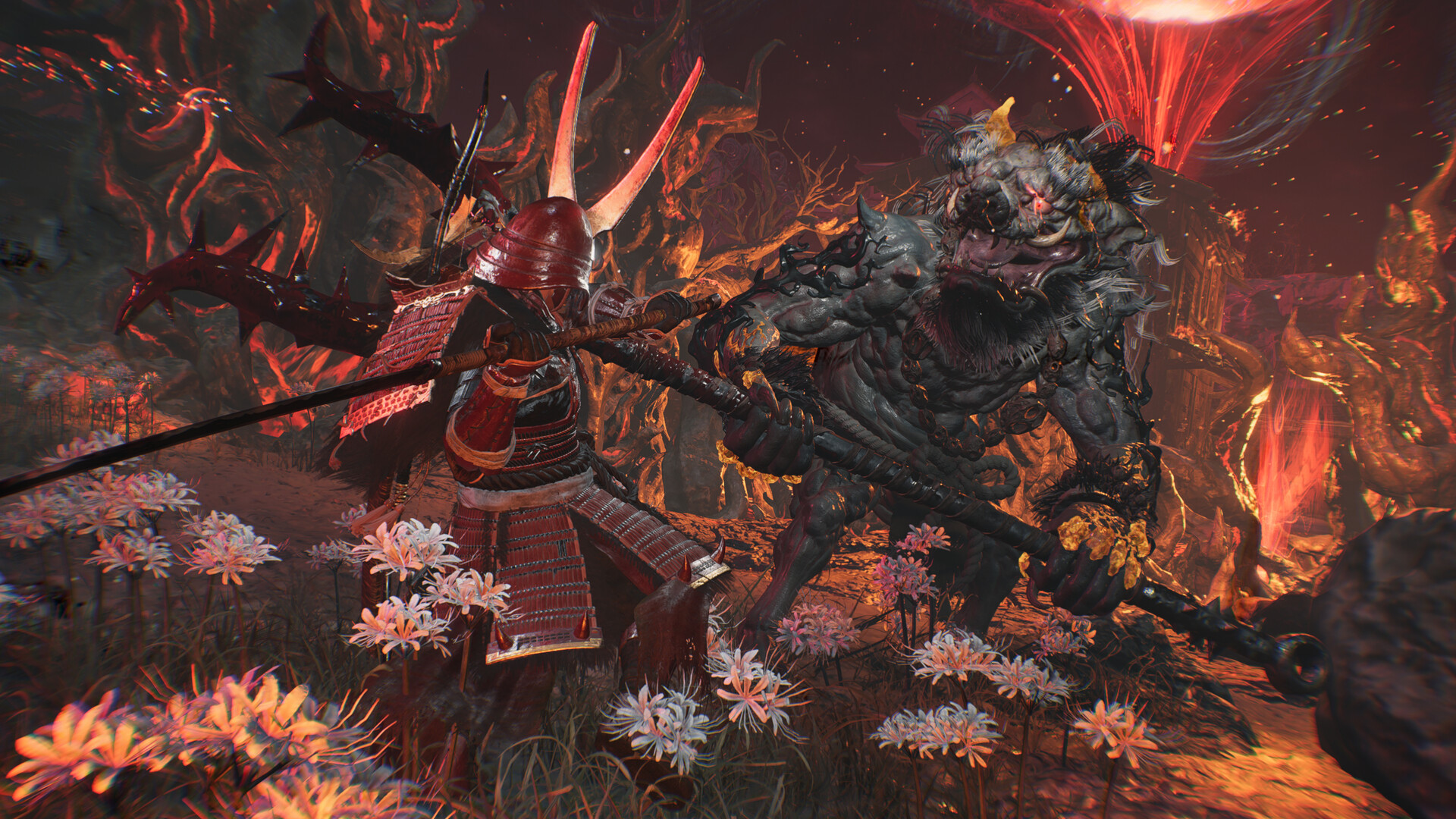
Nioh 3, the latest entry in Koei Tecmo's dark samurai action RPG series, crossed one million copies sold within two weeks of its February 5 launch. The game introduced an open-field structure to the series for the first time, combining both samurai and ninja combat styles in battles against yokai across feudal Japan. Critical reception was strong, and the sales trajectory suggests the franchise has grown its audience meaningfully since Nioh 2.
## A Broader Pattern
Pokemon Pokopia, which Koei Tecmo co-developed with Game Freak, sold 2.2 million copies in its first four days on sale. For a Pokemon spinoff developed outside Nintendo's traditional first-party pipeline, that is a strong opening that validates the decision to expand the franchise's development partnerships.
Nioh 3, the latest entry in Koei Tecmo's dark samurai action RPG series, crossed one million copies sold within two weeks of its February 5 launch. The game introduced an open-field structure to the series for the first time, combining both samurai and ninja combat styles in battles against yokai across feudal Japan. Critical reception was strong, and the sales trajectory suggests the franchise has grown its audience meaningfully since Nioh 2.
## A Broader Pattern
 Koei Tecmo's earnings revision fits a broader trend of Japanese publishers posting strong results in fiscal year 2026. Capcom recently celebrated Pragmata crossing one million copies in two days, while FromSoftware's Elden Ring franchise continues to generate revenue through Nightreign and the base game's long tail. The Japanese development scene is in the middle of a sustained creative and commercial hot streak.
What makes Koei Tecmo's situation particularly interesting is the diversity of its revenue streams. The company is not dependent on a single blockbuster franchise. Pokemon Pokopia represents a licensing partnership, Nioh 3 is a proven action RPG series, and the company's investment income provides a financial cushion that most pure game publishers lack.
## What Comes Next
Koei Tecmo's earnings revision fits a broader trend of Japanese publishers posting strong results in fiscal year 2026. Capcom recently celebrated Pragmata crossing one million copies in two days, while FromSoftware's Elden Ring franchise continues to generate revenue through Nightreign and the base game's long tail. The Japanese development scene is in the middle of a sustained creative and commercial hot streak.
What makes Koei Tecmo's situation particularly interesting is the diversity of its revenue streams. The company is not dependent on a single blockbuster franchise. Pokemon Pokopia represents a licensing partnership, Nioh 3 is a proven action RPG series, and the company's investment income provides a financial cushion that most pure game publishers lack.
## What Comes Next
 The full financial results are due on April 27. Investors and analysts will be watching for forward guidance, particularly around whether the success of Pokopia leads to deeper collaboration with The Pokemon Company, and whether Koei Tecmo plans to continue investing in its own IP as aggressively as it has in recent years.
For gamers, the takeaway is simpler: Koei Tecmo's best work is landing, and the company has the financial health to keep swinging for the fences. In an industry that has seen layoffs and studio closures dominate headlines for the past two years, that stability is worth noting.
The full financial results are due on April 27. Investors and analysts will be watching for forward guidance, particularly around whether the success of Pokopia leads to deeper collaboration with The Pokemon Company, and whether Koei Tecmo plans to continue investing in its own IP as aggressively as it has in recent years.
For gamers, the takeaway is simpler: Koei Tecmo's best work is landing, and the company has the financial health to keep swinging for the fences. In an industry that has seen layoffs and studio closures dominate headlines for the past two years, that stability is worth noting.