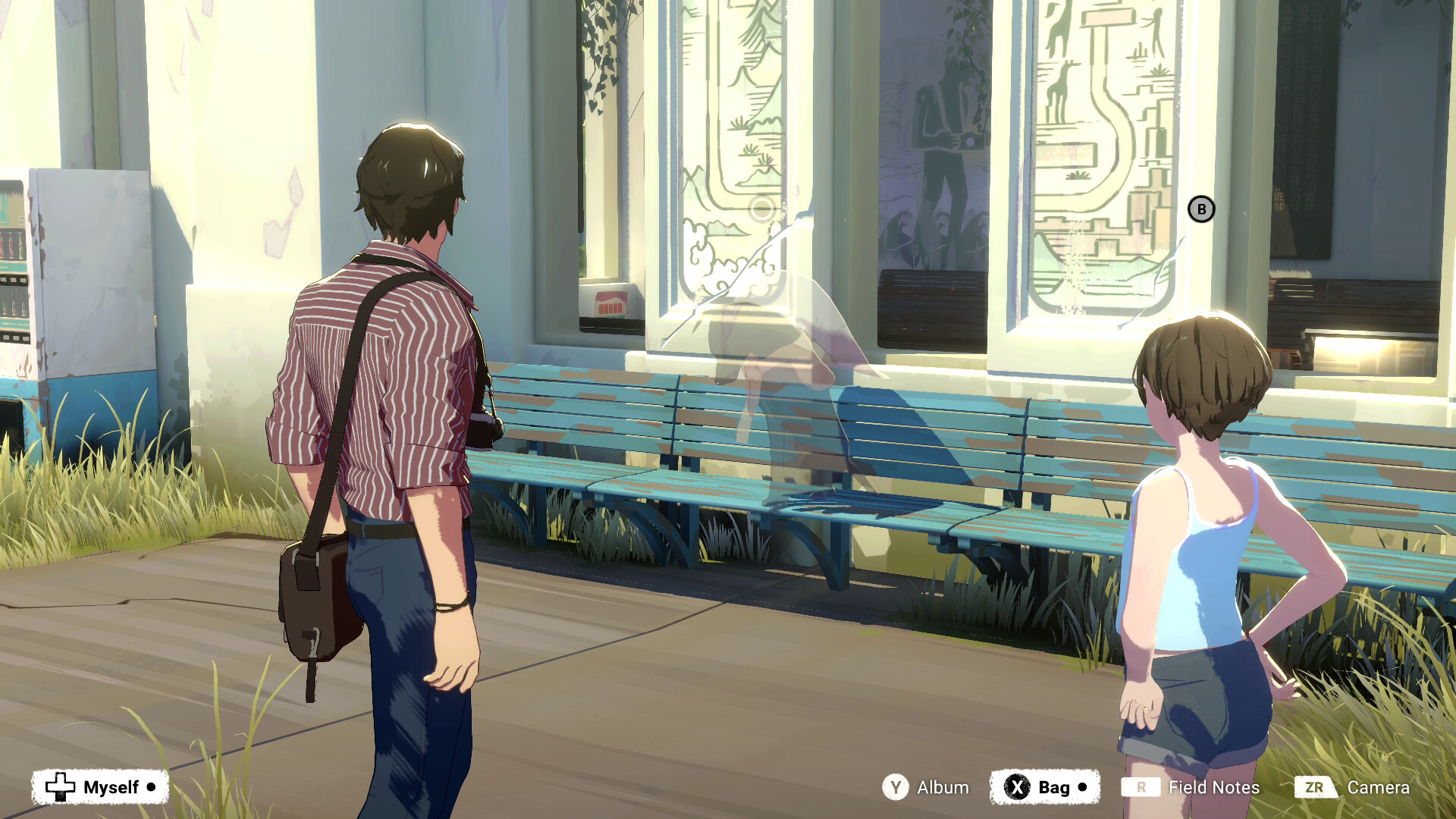
While blockbuster releases and multiplayer spectacles have dominated the headlines this month, a small photography adventure from Taiwanese studio SIGONO has done something none of them managed: it climbed to the top of the aggregate review charts and stayed there. OPUS: Prism Peak launched on April 16, 2026 for PC via Steam, Nintendo Switch, and Nintendo Switch 2, and within hours of embargo lifts it sat at a 91 on OpenCritic, making it the highest-rated game of the year so far.
Published by Shueisha Games and developed by SIGONO, the team behind the beloved OPUS series, Prism Peak is the kind of game that does not announce itself with a marketing blitz. There was no Super Bowl ad, no celebrity endorsement, and no open beta. Instead, there were quiet trailers set to original music by Kevin Penkin — the composer behind Made in Abyss and Tower of God — and a steady trickle of preview coverage that built word-of-mouth among narrative game enthusiasts.
A Photographer in the Dusklands
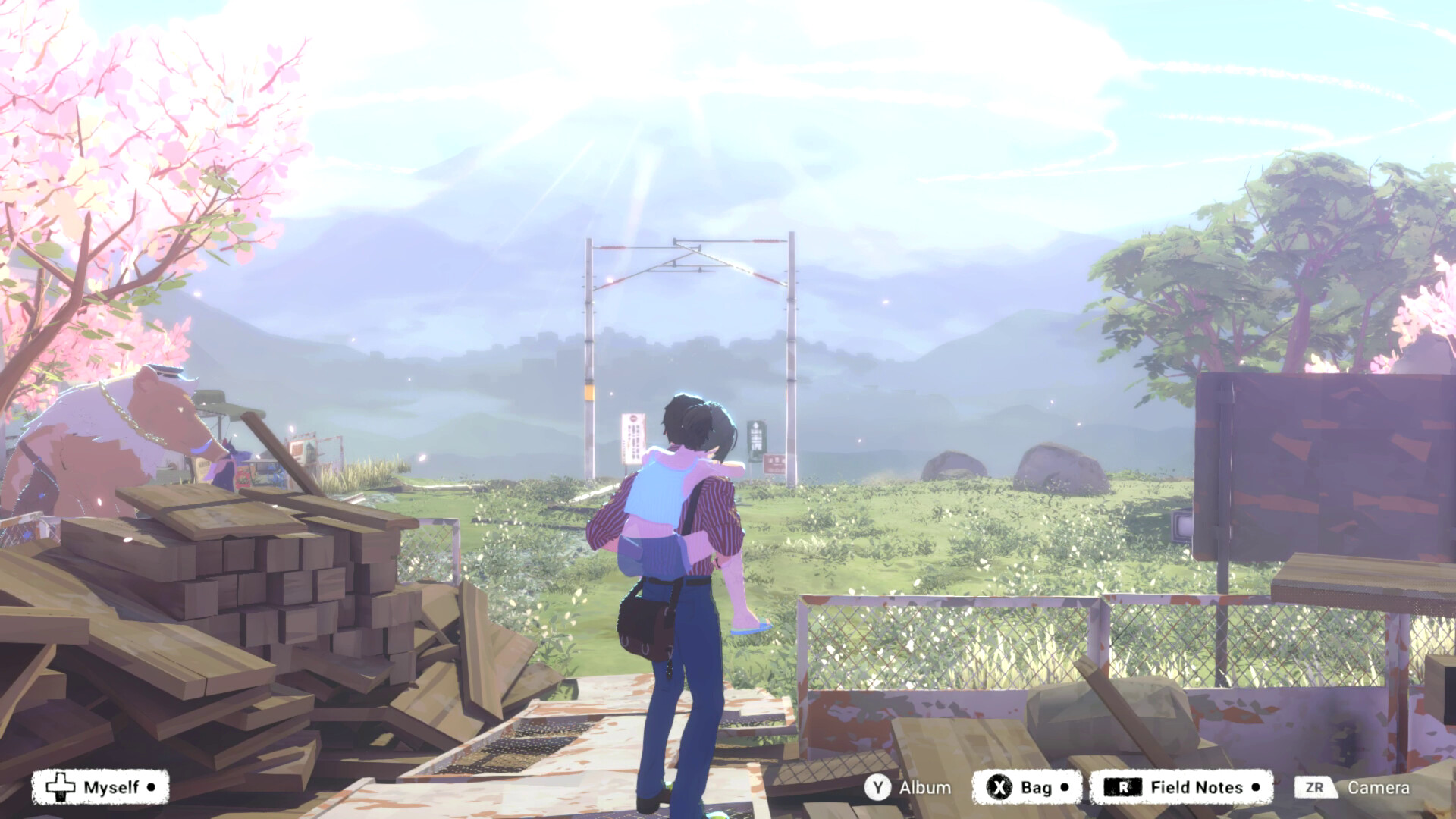
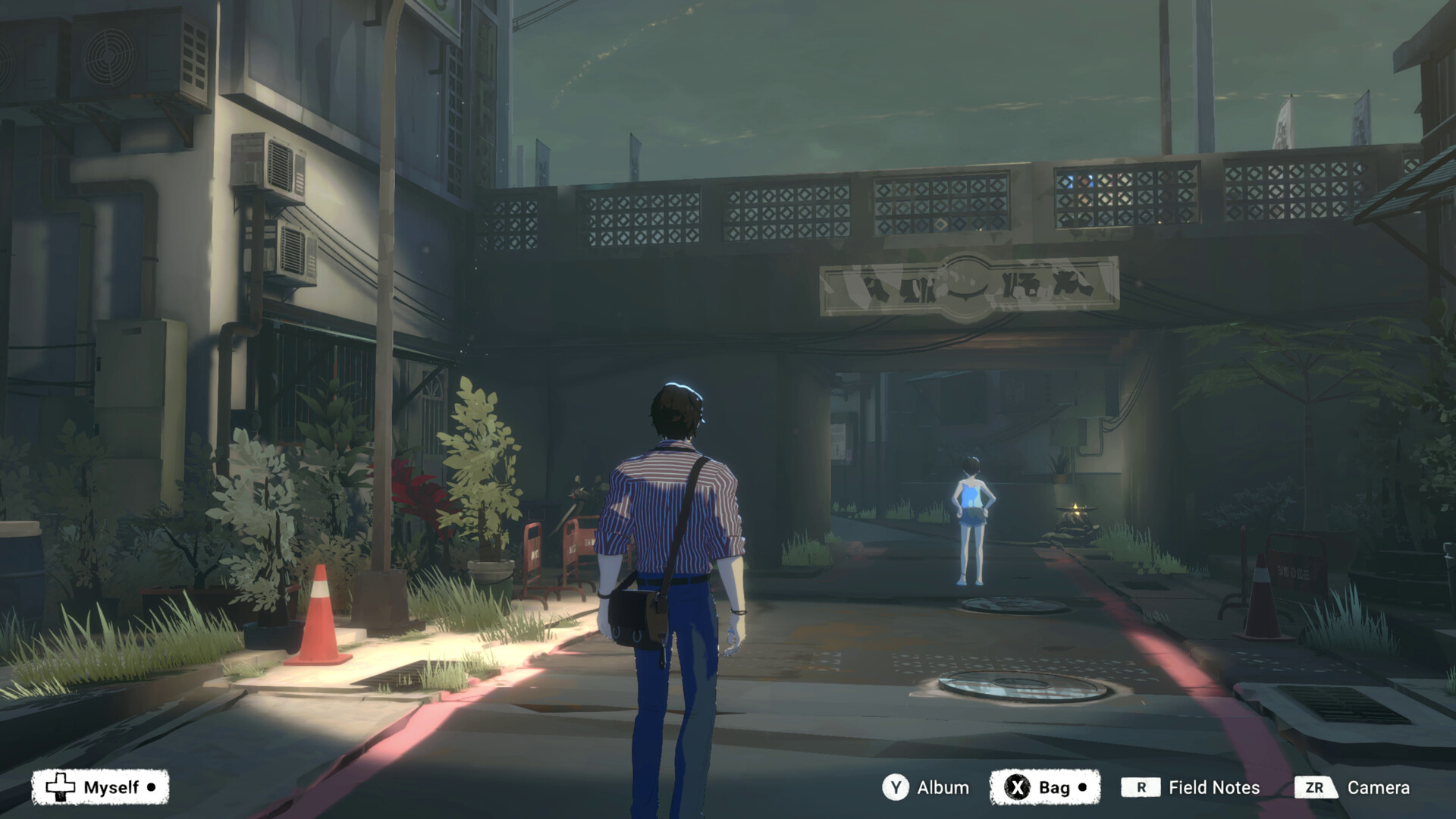
You play as Eugene, a 40-year-old ex-photojournalist who has not picked up a camera in years. Stranded in a mysterious realm called the Dusklands — a place shaped by fading light, lingering memories, and unspoken grief — Eugene is guided by a young girl who has lost her memories. Together, they traverse surreal landscapes that shift between painted meadows, sun-bleached ruins, and twilight forests, using Eugene's camera not just to document the world but to interact with it.
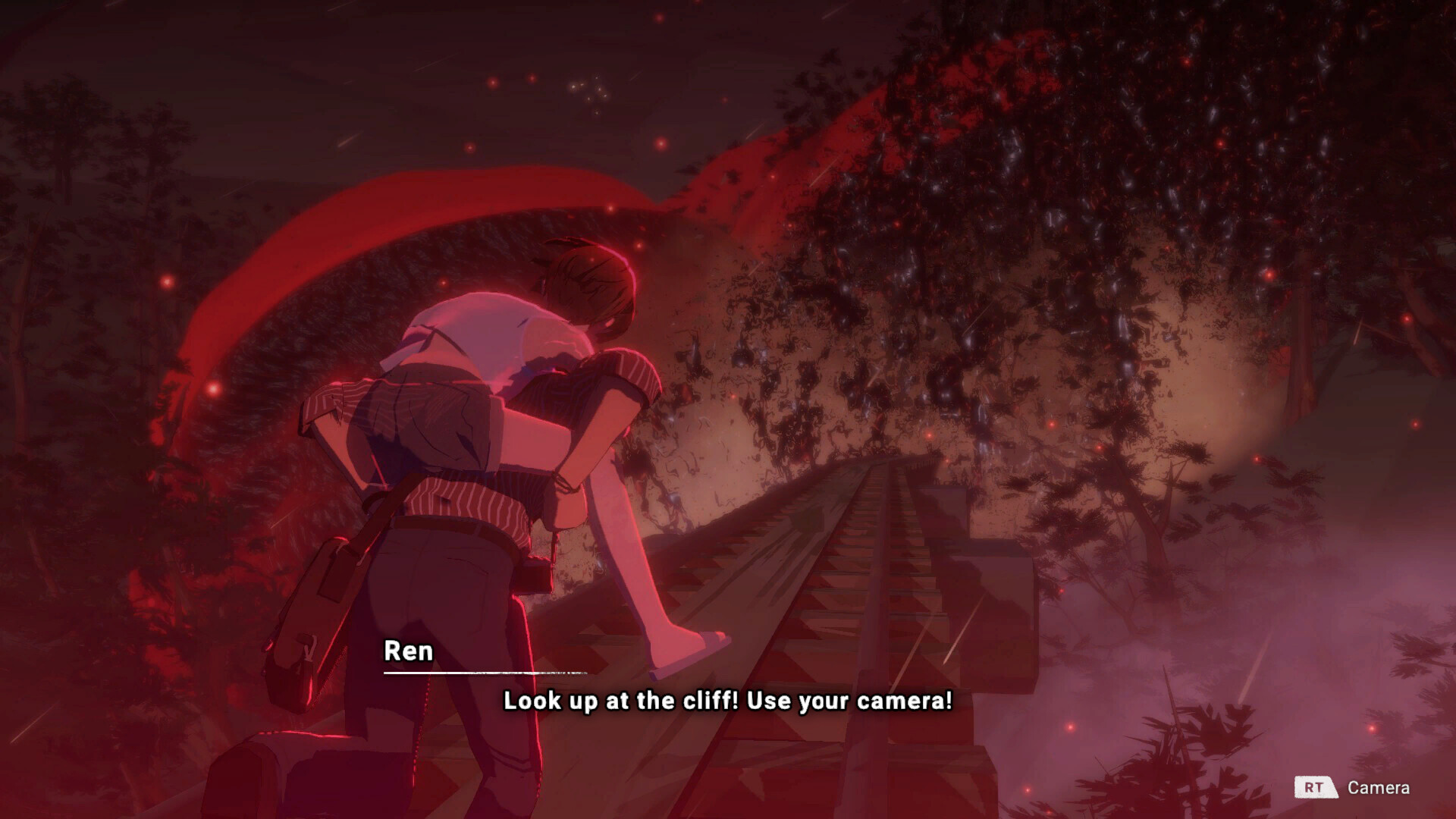
Photography is both the central mechanic and the narrative engine. Framing a shot correctly can unlock hidden paths, reveal buried memories, and trigger conversations that reshape your understanding of the Dusklands and its inhabitants. The camera is not a weapon or a puzzle-solving tool in the traditional sense; it is a way of paying attention, and the game rewards players who slow down and look closely at what the world is trying to tell them.
Why Critics Are Raving
Reviewers have drawn comparisons to Studio Ghibli and the films of Makoto Shinkai, citing the game's painterly art direction, deliberate pacing, and emotional sincerity. Multiple outlets have called it one of the most beautiful games ever made on a modest budget, with environments that look like watercolor paintings brought to life through careful use of particle effects, volumetric lighting, and handcrafted texture work.
The soundtrack has been singled out as exceptional, with Kevin Penkin delivering a score that shifts between melancholy piano pieces, sweeping orchestral themes, and the kind of quiet ambient tracks that make you forget you are playing a game at all. The launch trailer features the insert song "Mountain" with lyrics by mpi, known for work on Attack on Titan, and vocals by Martin Johnson from the band OAU.
Part of a Beloved Series
OPUS: Prism Peak is the fourth entry in the OPUS series, following OPUS: The Day We Found Earth, OPUS: Rocket of Whispers, and OPUS: Echo of Starsong. Each game in the series has been a standalone narrative experience tied together by themes of loss, memory, and the search for connection across impossible distances. Prism Peak does not require familiarity with earlier entries, but returning fans will recognize SIGONO's signature blend of intimate character writing and cosmic scale.
The game is approximately 10-12 hours long and is available on Steam with a 10% launch discount. The Nintendo Switch and Switch 2 versions run at a locked 30fps with touch controls for the photography mechanic, while the PC version supports ultrawide displays and uncapped framerates. There is no combat, no fail state, and no timer. Just a camera, a road, and the quiet hope that the next photograph might bring someone home.