
The idle RPG genre has long been dismissed by traditional gamers as nothing more than a glorified slot machine, and for good reason. Most entries in the category offer minimal interaction, relying entirely on gacha pulls and auto-battle to keep players engaged. AFK Journey, the ambitious follow-up to Lilith Games' enormously successful AFK Arena, challenges that perception by wrapping its idle mechanics in a genuinely gorgeous open-world adventure that looks and feels nothing like the genre's reputation would suggest.
The first thing that strikes you about AFK Journey is its presentation. The storybook art direction is breathtaking, rendering the world of Esperia in a warm, painterly style that evokes the best of animated fantasy films. Characters are beautifully designed with expressive animations, environments overflow with detail and color, and the transition from 2D sprites to full 3D models gives every hero a presence that the original AFK Arena could only hint at. This is one of the best-looking mobile games available, period.
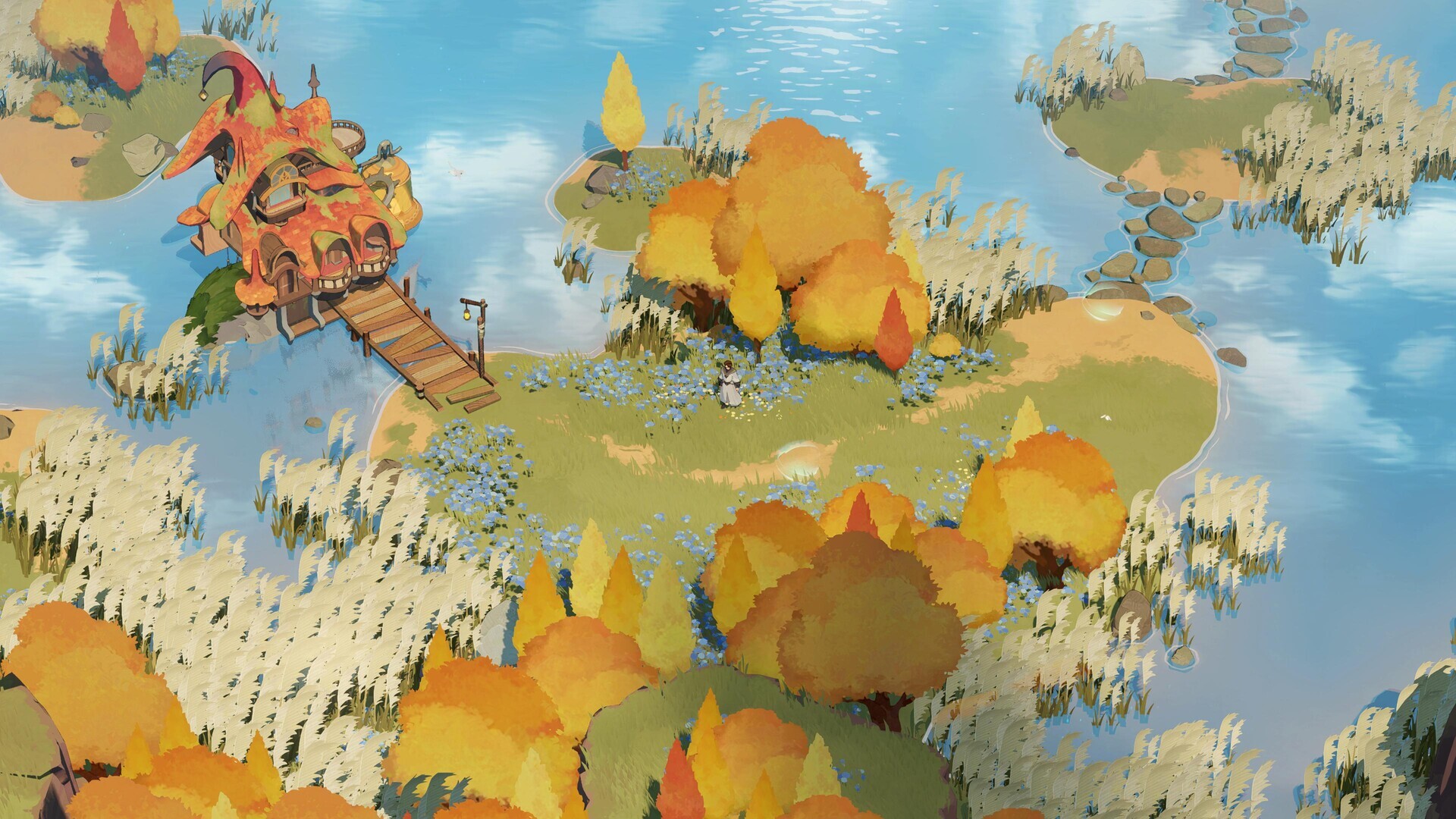
The core gameplay loop retains the idle DNA that made AFK Arena successful. Heroes auto-battle through encounters, leveling up and collecting resources whether you are actively playing or not. The innovation comes in how AFK Journey layers additional systems on top of this foundation. An explorable open world with puzzles, treasure chests, and environmental interactions gives players reasons to actively engage beyond simply watching numbers go up. Team positioning and formation management add genuine tactical considerations to each encounter.
The hero collection system is the beating heart of the experience. With dozens of characters across multiple factions, building an effective team requires understanding synergies between classes, elemental affinities, and factional bonuses. The gacha system provides the primary acquisition method, and while the rates are not unusually generous, the game's pity system ensures that dedicated players will eventually obtain the heroes they want. Duplicate heroes feed into an ascension system that provides meaningful power growth.
Audio design complements the visual splendor with a warm orchestral soundtrack that perfectly matches the storybook aesthetic. Battle music escalates appropriately during boss encounters, and the ambient sounds of the overworld create a cozy atmosphere that makes exploration feel relaxing rather than tedious. Voice acting is present for major story beats, though the quality varies between characters.
The monetization, while more transparent than many competitors, still reveals its teeth in the late game. Progression beyond certain power thresholds becomes extremely slow without investment in premium currency, and the seasonal battle pass adds another layer of spending pressure. The game is perfectly enjoyable as a casual free-to-play experience for the first several weeks, but competitive-minded players will eventually feel the squeeze. This friction is the genre's original sin, and AFK Journey does not fully escape it.
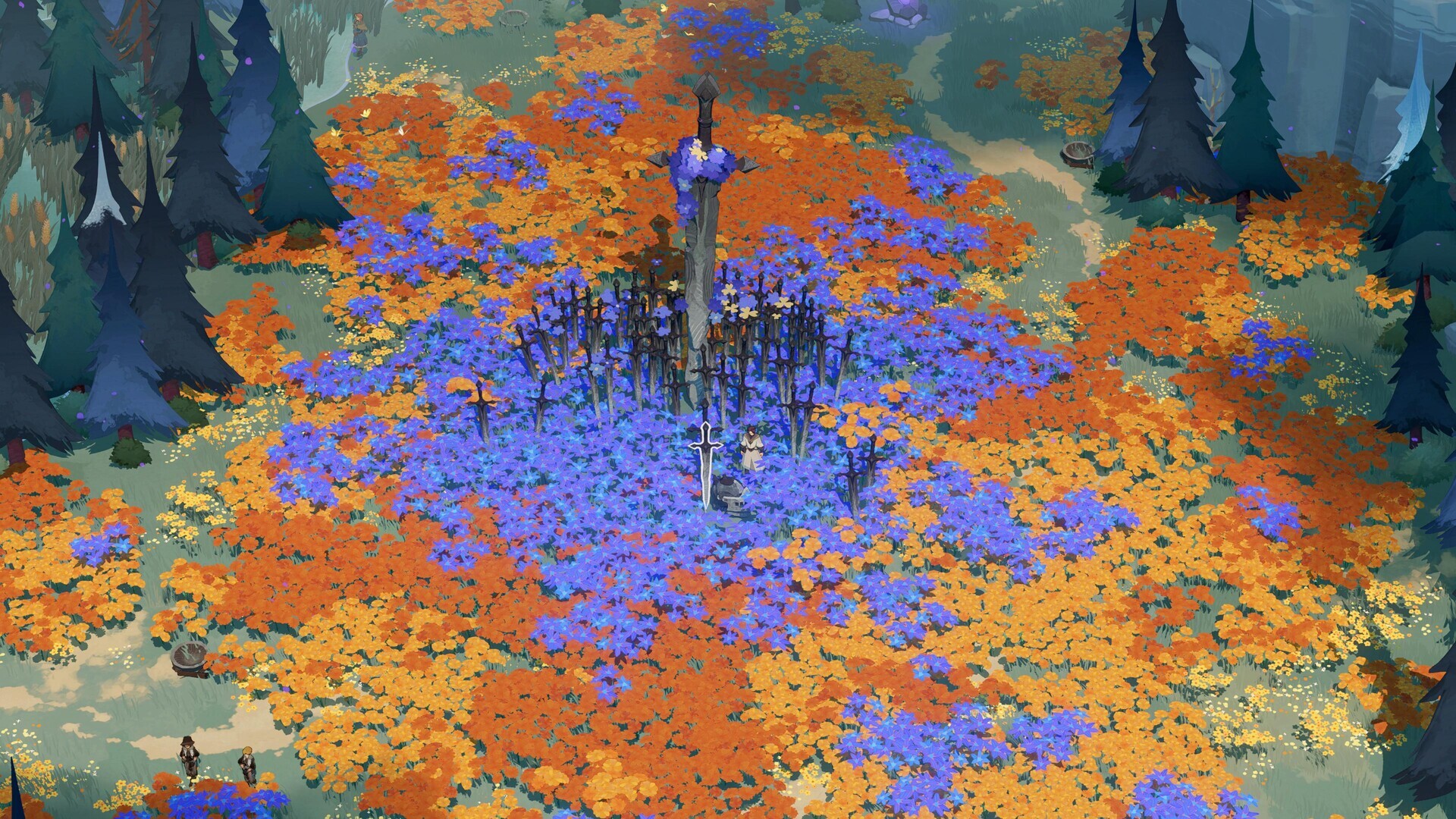
Social features are well-implemented. Guild systems provide cooperative objectives and social interaction, the PvP arena offers competitive outlets for those who enjoy testing their team compositions, and regular community events keep the player base engaged. The real-time combat mode, introduced in a post-launch update, attempts to add more active gameplay but feels bolted-on rather than integral, with imprecise controls that lack the polish of the core auto-battle system.
Content updates have been substantial and frequent. New story chapters, heroes, and gameplay modes arrive regularly, and the seasonal content structure keeps the game feeling fresh. The collaboration events with major anime and game franchises have been particularly well-received, offering unique heroes and cosmetics that create genuine excitement in the community. Lilith Games has demonstrated a clear commitment to evolving the game beyond its initial offering.
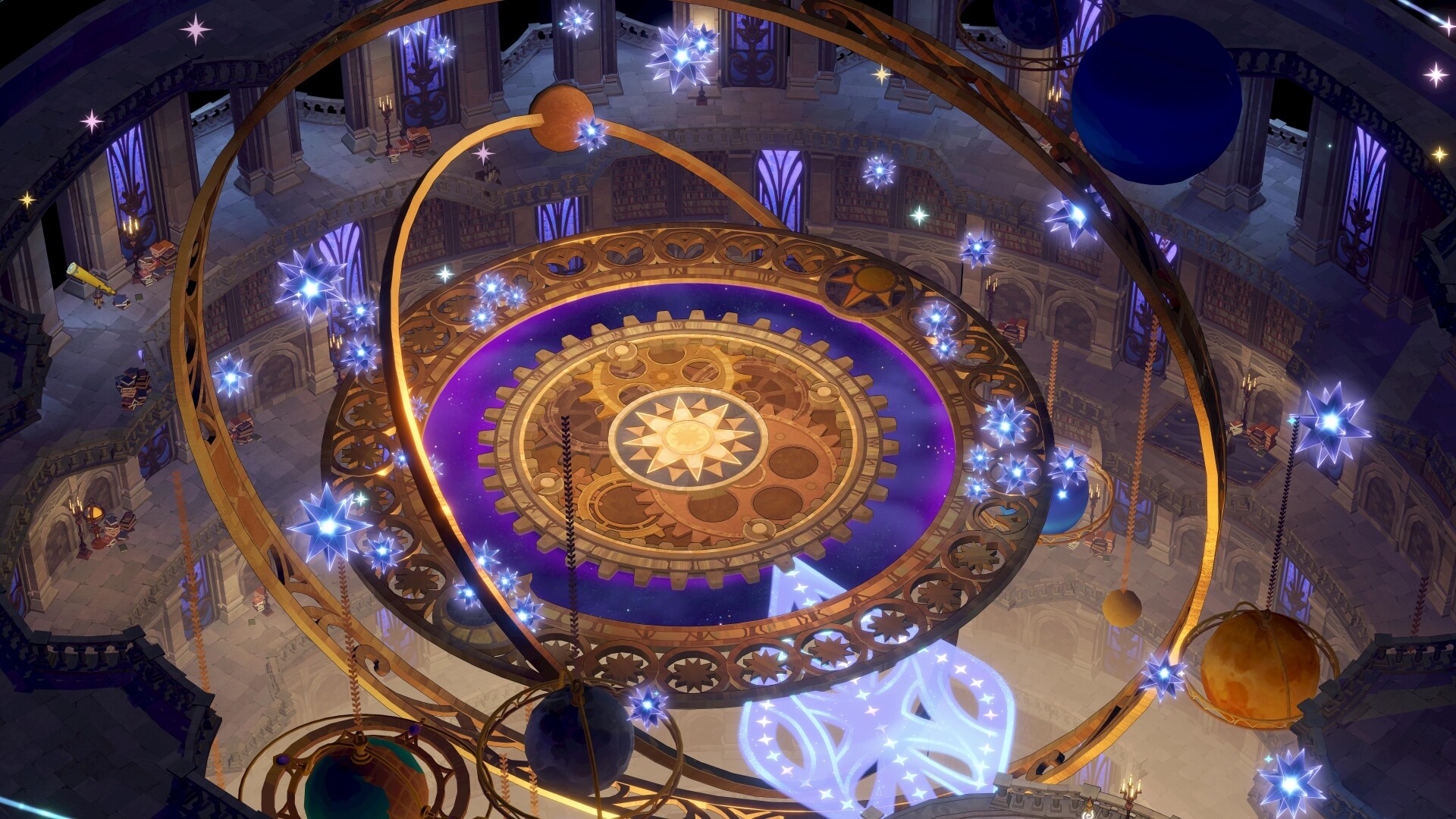
AFK Journey succeeds in elevating the idle RPG genre to a level of visual and mechanical sophistication that was previously unimaginable. Its storybook world is a joy to inhabit, its hero collection offers genuine strategic depth, and its respect for the player's time makes it an ideal companion for busy schedules. The late-game monetization pressure and underdeveloped real-time combat mode are genuine drawbacks, but they do not erase the considerable accomplishments on display. This is an idle RPG that deserves to be taken seriously.