
Every new Civilization game faces the impossible task of satisfying two conflicting audiences: longtime fans who want refinement and newcomers who need accessibility. Civilization VII attempts to thread this needle with the most radical structural changes the series has seen, and the results are fascinating, frustrating, and full of potential in roughly equal measure.
The headline change is the Age system. Rather than playing a single civilization from the Ancient Era to the Information Age, campaigns are now divided into three distinct Ages, with players choosing a new civilization at each transition. The idea is that real empires evolve and transform over millennia, and Civ VII wants to capture that dynamism. In practice, it creates moments of genuine excitement when you pivot from Rome to Spain, inheriting some traits while gaining entirely new ones, but it can also feel jarring when centuries of carefully built infrastructure suddenly changes identity.
Separating leaders from civilizations is the other major innovation, and this one lands more cleanly. Choosing Cleopatra to lead the Shoshone creates combinations that feel historically playful while adding genuine strategic variety. Each leader has unique abilities that complement different playstyles, and the permutations are vast enough that experimenting with combinations becomes a compelling metagame in itself.
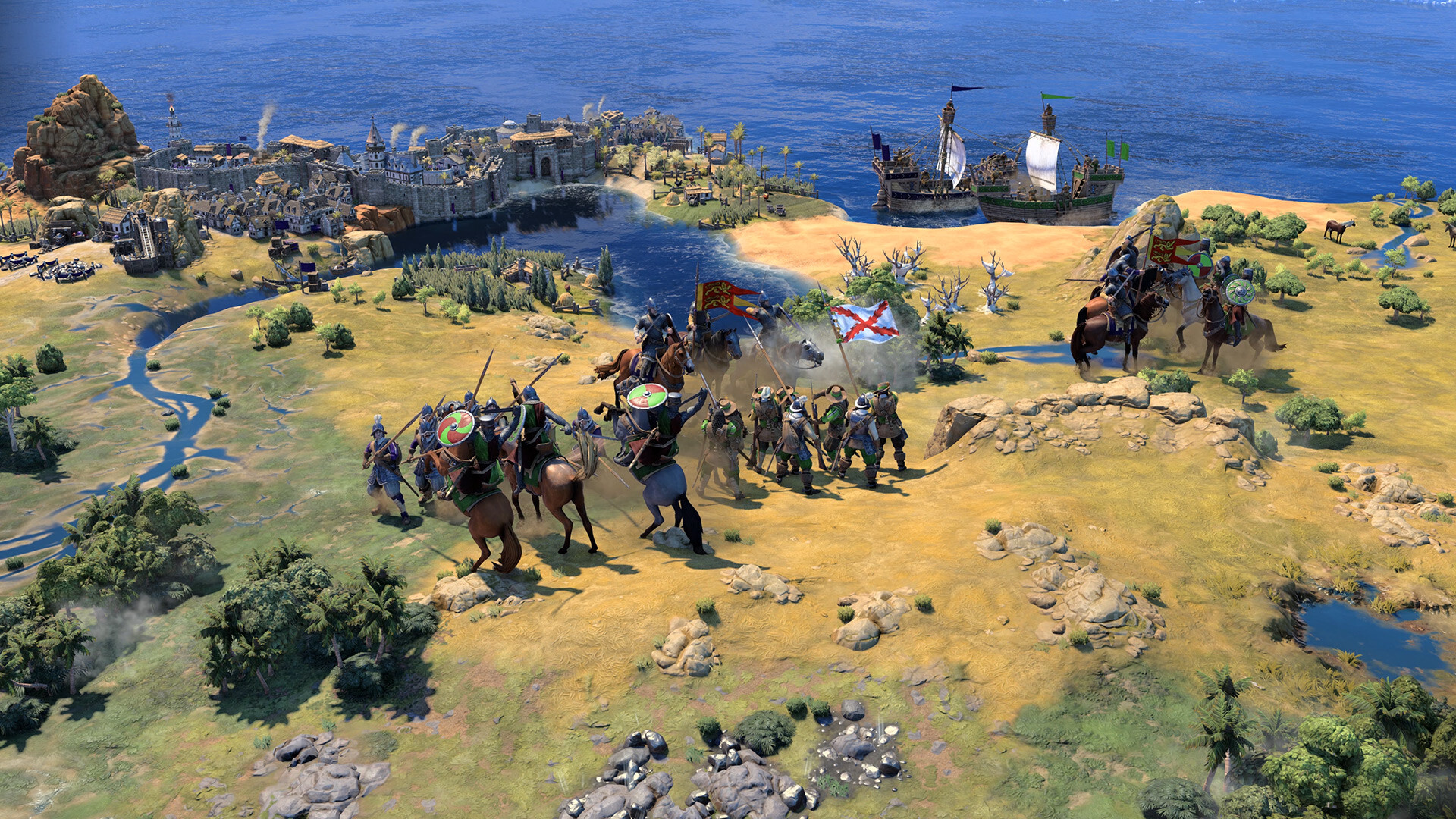
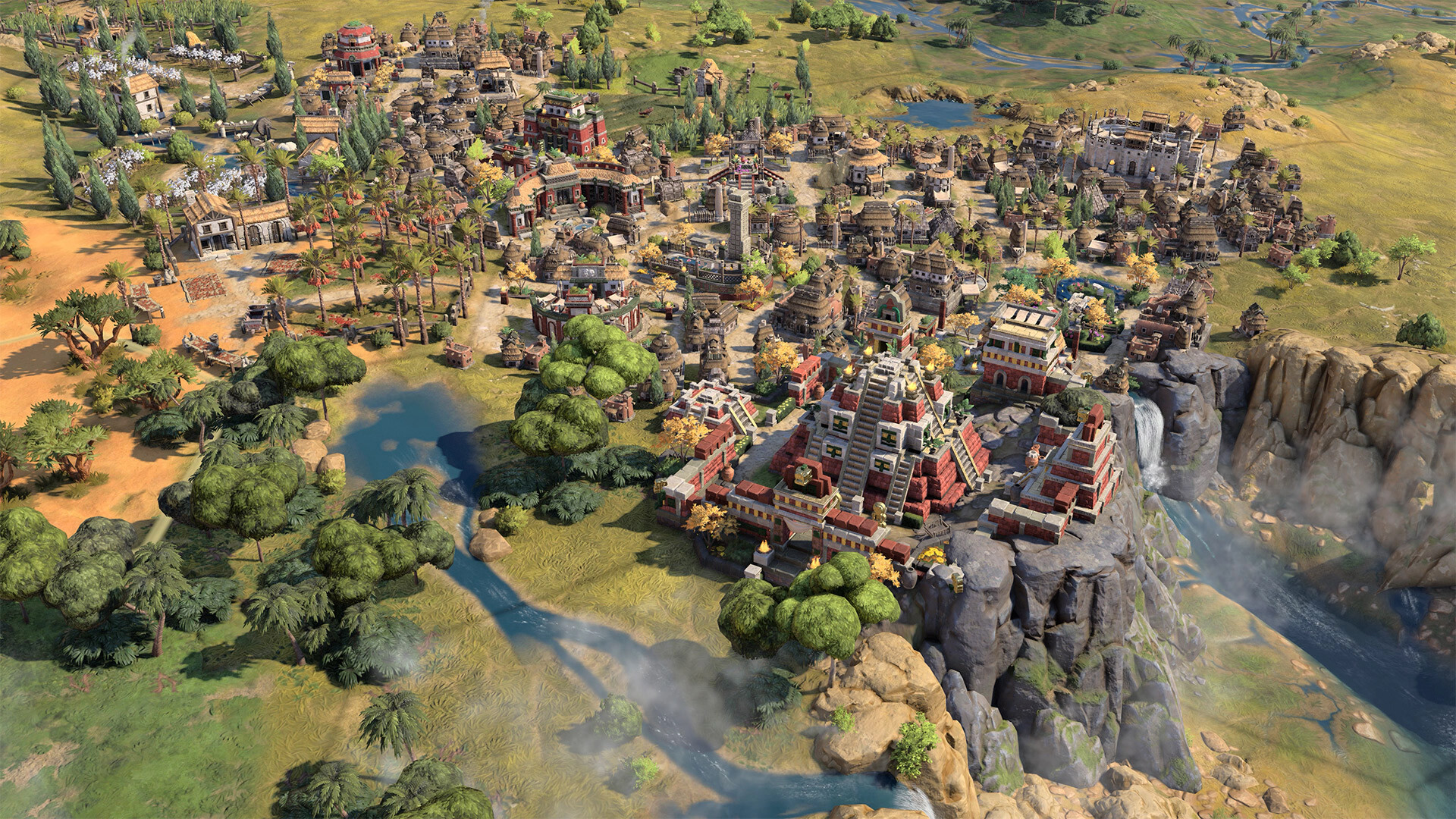
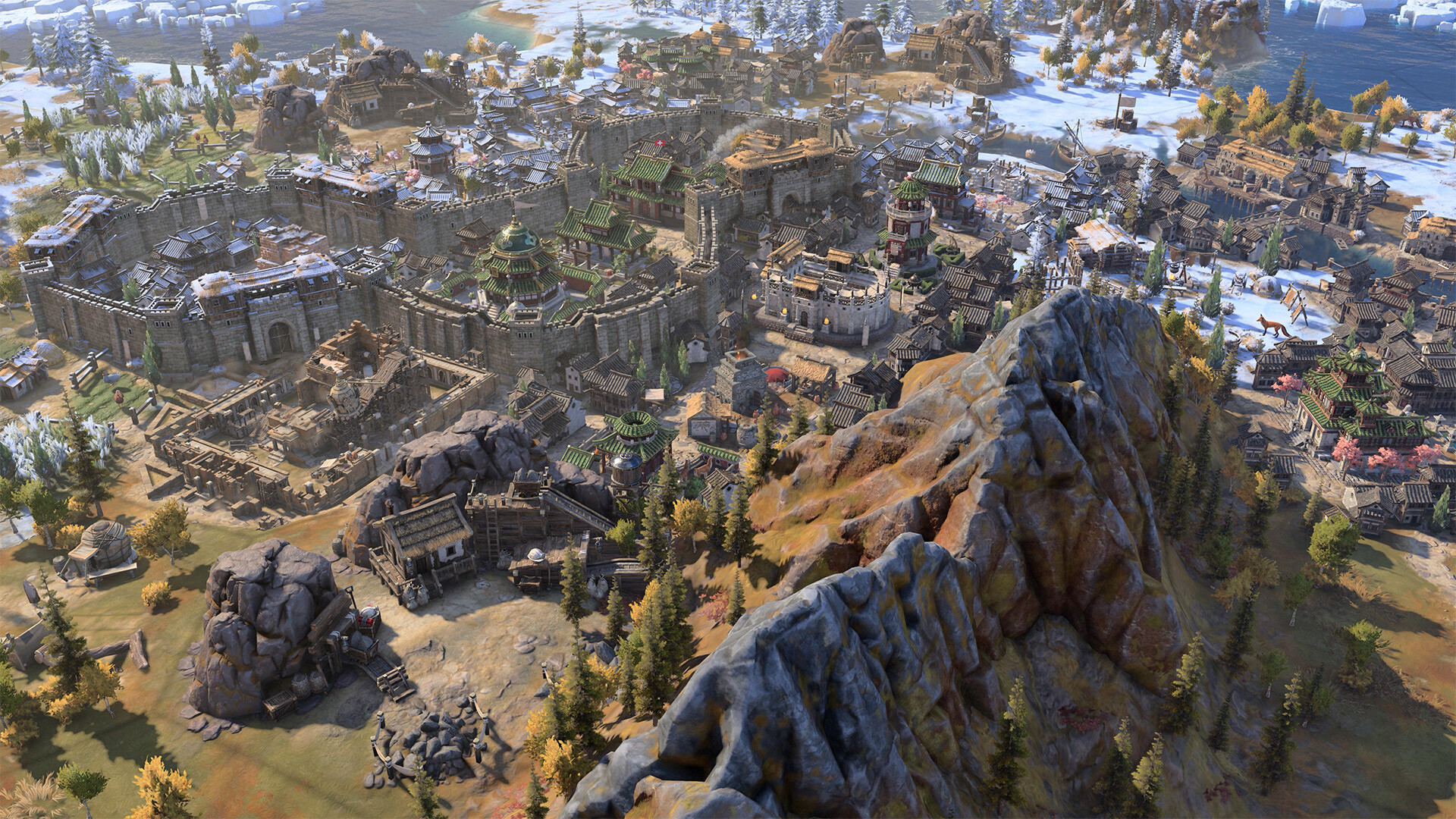
The visual presentation is a massive leap forward. Gone is Civ VI's polarizing cartoon aesthetic, replaced with a more realistic, painterly style that makes the map feel like a living historical tapestry. Cities grow and sprawl with visible detail, units are beautifully animated, and the wonder cinematics are genuinely spectacular. Gwendoline Christie's narration adds gravitas to every era transition.
Diplomacy and trade have been substantially improved. The new relationship system tracks your actions and creates a more believable web of alliances, rivalries, and grudges that evolve over time. Trade routes feel more impactful and strategic, encouraging players to think about economic geography in ways that previous entries glossed over.
The AI, however, struggles to keep up with the new systems. Computer opponents often make baffling decisions during Age transitions, fail to adequately leverage the leader-civilization separation, and can be exploited by players who understand the new mechanics. This has always been a Civilization challenge, but the added complexity of Civ VII's systems makes the AI's shortcomings more visible.
Content-wise, Civ VII at launch feels both ambitious and incomplete. The Age system means that each era has fewer civilizations than a traditional Civ game would, and certain features that series veterans expect, like a robust espionage system and religious victory path, feel stripped back. Navigable rivers, one of the most hyped new features, are functional but do not transform gameplay the way the marketing suggested.
The economic victory condition is a welcome addition that provides a genuinely different path to success. Building trade empires and financial networks creates a compelling alternative to military or cultural dominance, and the systems supporting it are well-designed and satisfying to engage with.
Civilization VII is a game of enormous potential that has not yet fully realized its ambitions. The Age system is a genuinely innovative idea that needs more civilization options and smoother transitions to reach its potential. The leader-civilization split works wonderfully. The visual overhaul is excellent. But like Civ V and Civ VI before it, this feels like a foundation waiting for expansions to build upon. History, as always, favors patience with Civilization games.