
Death Stranding 2: On the Beach is the most Kojima game ever made. That sentence will either excite you or terrify you, and your reaction is the best predictor of whether you will love or hate this game. There is no middle ground here.
Sam Porter Bridges returns to a world that has somehow gotten stranger since the first game. New supernatural threats have emerged, old connections have frayed, and the journey ahead is even more emotionally charged than before.
The narrative ambition here is staggering, even by Kojima's standards. Without spoiling specifics, the story weaves together themes of connection, grief, extinction, and rebirth in ways that are sometimes profound and sometimes bewildering. The celebrity cast — which now includes Elle Fanning, Shioli Kutsuna, and George Miller in addition to returning stars — delivers performances that sell even the most outlandish plot developments. The motion capture work is the best in the industry, capturing subtle facial expressions that convey emotional nuance no amount of dialogue could achieve.
The traversal — the actual act of moving through the world — has been significantly expanded. New vehicles, tools, and environmental interactions make the core loop of navigating treacherous terrain more engaging than ever. The sense of accomplishment when you find the perfect route through an impossible landscape is unmatched.
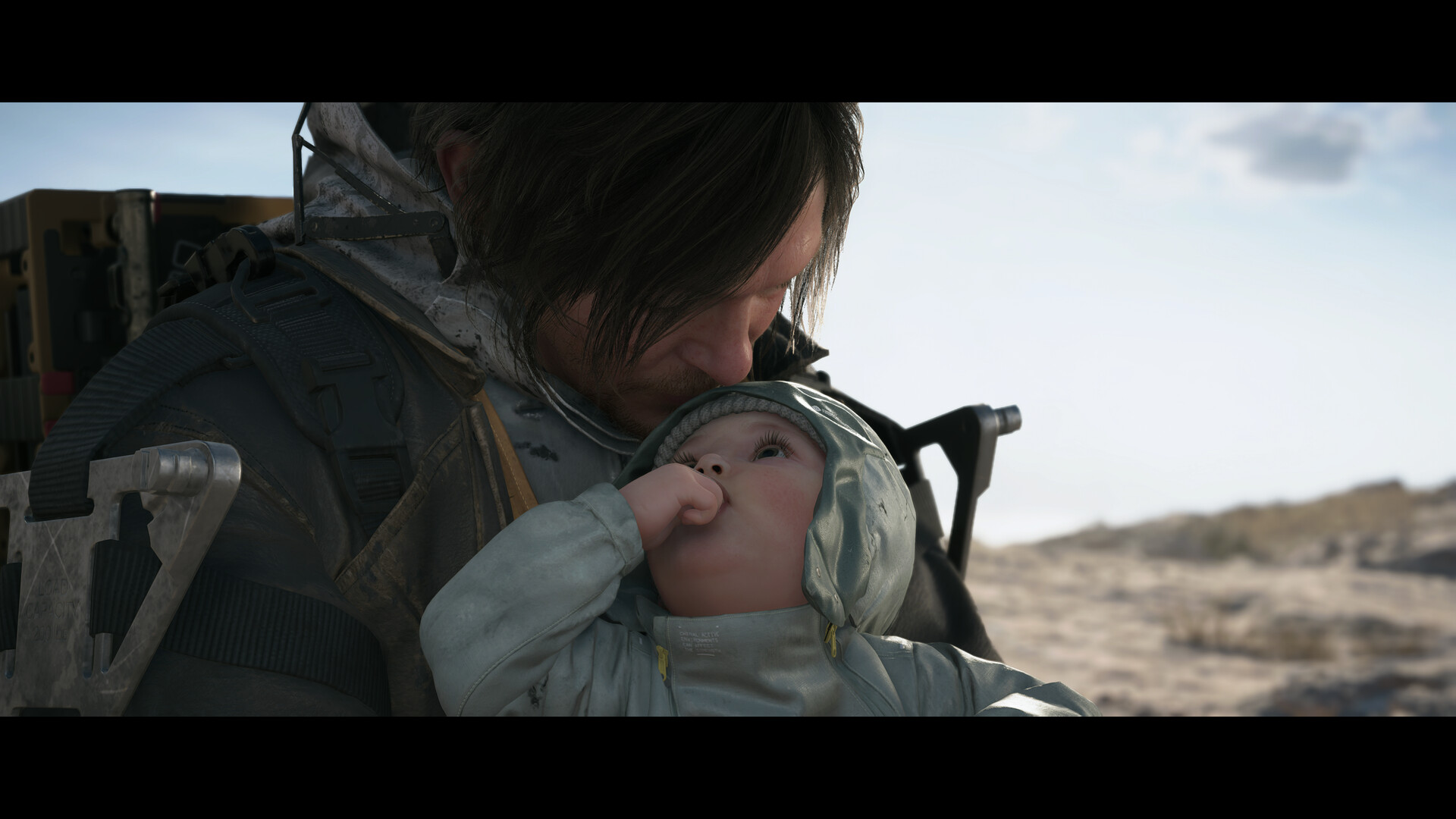
Visually, this is one of the most impressive games ever made. The Decima Engine delivers landscapes that look photorealistic, weather effects that feel alive, and character models that cross the uncanny valley with ease. Norman Reedus, Lea Seydoux, and the expanded cast deliver performances that belong in cinema.
The new region types are a significant addition. Toxic zones require specialized gear and careful resource planning, fungal forests distort your navigation instruments, and the BT-infested crater zones are some of the most tense traversal sequences in gaming. Each biome demands a different loadout and approach, which means preparation at safe houses becomes its own engaging minigame. The catapult system — a new traversal tool that launches cargo across vast distances — is wildly entertaining once you master the physics, and the zipline network from the first game has been expanded with powered rails that let you move at exhilarating speed across established routes.
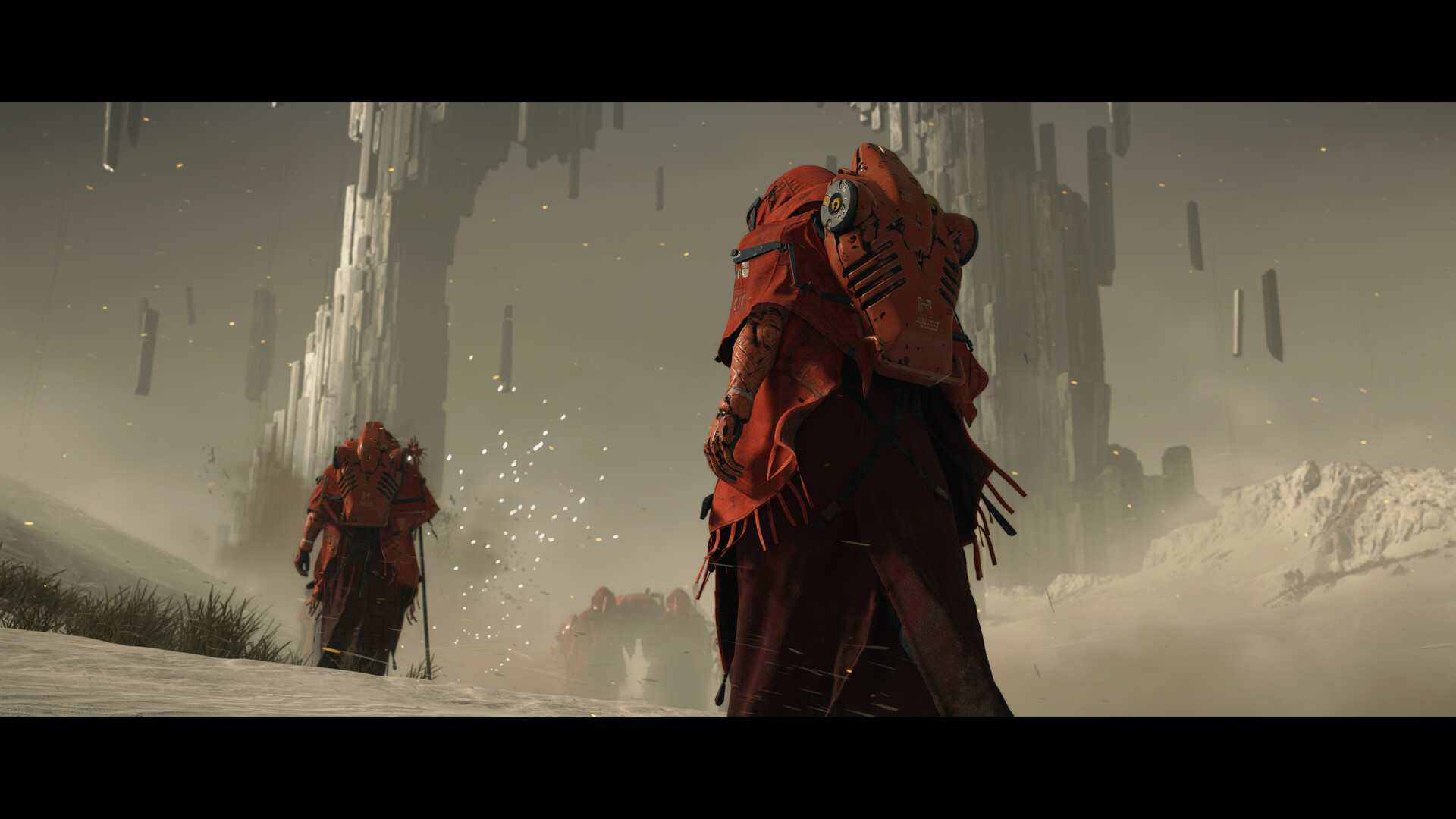
The asynchronous multiplayer — leaving structures, supplies, and paths for other players — remains one of gaming's most innovative ideas. It has been expanded with new community features that make the shared world feel even more alive.
The Decima Engine has been pushed to its absolute limits. Weather systems are dynamic and persistent — a rainstorm does not just look impressive, it physically alters terrain, creates mud that slows your movement, and accelerates the timefall degradation of your cargo. The day-night cycle affects enemy behavior, NPC schedules, and even the music. Draw distances are remarkable, with mountain ranges visible from dozens of kilometers away rendering with enough detail that you can plan routes by sight alone. Photo mode enthusiasts will lose hours to this game — it may be the most photogenic open world ever created.
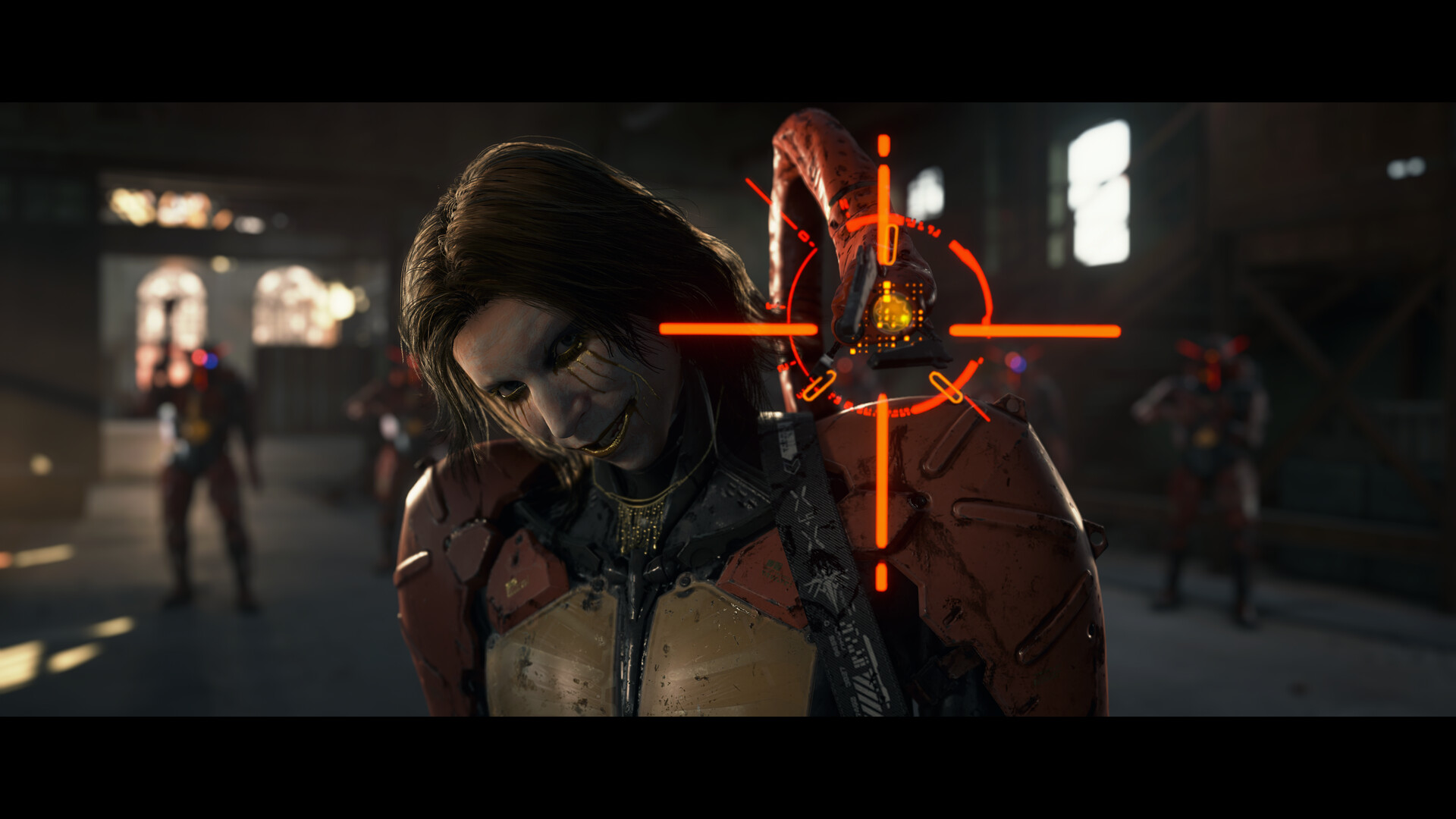
Where Death Stranding 2 struggles is where Kojima always struggles: restraint. Cutscenes regularly exceed 20 minutes, some gameplay mechanics feel like padding, and the story takes detours that test patience. The middle chapters in particular drag before a spectacular final act.
The soundtrack and audio design are world-class. Low Roar's contributions, recorded before the band's dissolution, are deeply moving in context, and the licensed tracks from artists like CHVRCHES and Woodkid are deployed with Kojima's characteristic precision — each song arrives at exactly the right emotional moment. The ambient soundscape is equally impressive, with wind, water, and wildlife creating an ever-present audio backdrop that makes the world feel alive even in its most desolate stretches. Spatial audio on PS5 through the Pulse 3D headset is a particular standout, placing every sound with pinpoint accuracy.
Death Stranding 2 is a masterpiece for those on its wavelength and an endurance test for those who are not. It is bold, weird, beautiful, and deeply human — exactly what you would expect from Kojima, amplified to eleven.
The game runs at a stable 30fps in quality mode on PS5 with full ray-tracing, or 60fps in performance mode with reduced visual fidelity. Both modes look exceptional, though the quality mode's ray-traced reflections in water and metallic surfaces add a layer of realism that is hard to give up once you have seen it. The PS5's DualSense features are used extensively — terrain textures transmit through the haptics, and the adaptive triggers simulate the strain of carrying heavy loads. A PC version has been confirmed but not yet dated, which means PlayStation owners have exclusivity for now.