
In a year already stacked with big releases, Demon Tides might be the most purely fun game of 2026. This indie 3D platformer has no right being this good, but here we are — a small team has created something that rivals Nintendo's best.
Developer Foam Sword — a small studio of fewer than twenty people — has created something that feels like a love letter to the 3D platformers of the early 2000s while simultaneously pushing the genre forward. The influences are obvious: there are echoes of Super Mario Galaxy in the gravity-shifting segments, Ratchet and Clank in the weapon variety, and A Hat in Time in the collectathon structure. But Demon Tides synthesizes these inspirations into something that feels distinctly its own, with a momentum-based movement system that rewards creativity and experimentation.
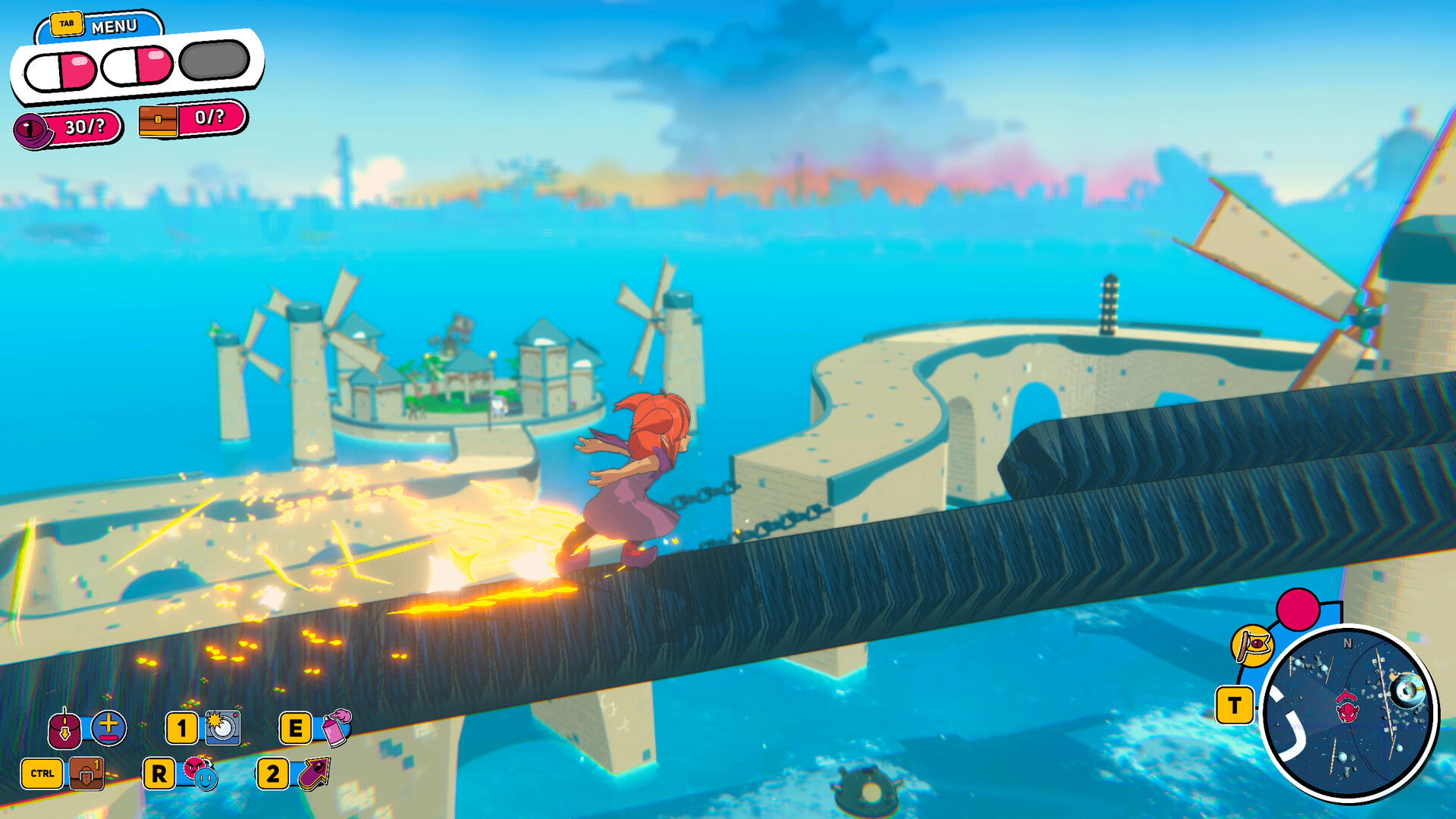
Movement is the foundation, and Demon Tides nails it. Your character has a toolkit of dashes, wall jumps, grinds, and aerial maneuvers that feel incredible from the first minute and only get better as you unlock new abilities. The skill ceiling is remarkably high.
The tide mechanic — the game's signature feature — is brilliantly implemented. Water levels rise and fall on a cycle that transforms each island's layout in real time. Platforms that are accessible during low tide become submerged during high tide, while entirely new pathways open up as the water rises. The best levels are designed so that both states offer distinct challenges, and speedrunners will have a field day figuring out optimal routes that account for tide timing. Some of the most satisfying moments come from chaining abilities across a gap that only exists for a few seconds during the transition period.
The world is a series of interconnected islands, each with its own visual theme and set of challenges. Exploration is rewarding — there are secrets hidden everywhere, and the game constantly surprises you with clever level design that repurposes familiar spaces.
Visually, Demon Tides pops. The art style is vibrant and colorful without being garish, and each zone has a distinct personality. Performance on PC is flawless, with buttery-smooth framerates even on modest hardware.
The soundtrack deserves special recognition. Composed by a duo of indie musicians, it shifts between breezy tropical themes, high-energy electronic tracks during chase sequences, and atmospheric ambient pieces in the game's handful of darker zones. Each island has its own musical identity, and the way tracks blend dynamically based on your altitude and speed creates a sense of musical momentum that mirrors the gameplay. It is one of the most listenable game soundtracks of the year, and the vinyl release sold out within hours of announcement.
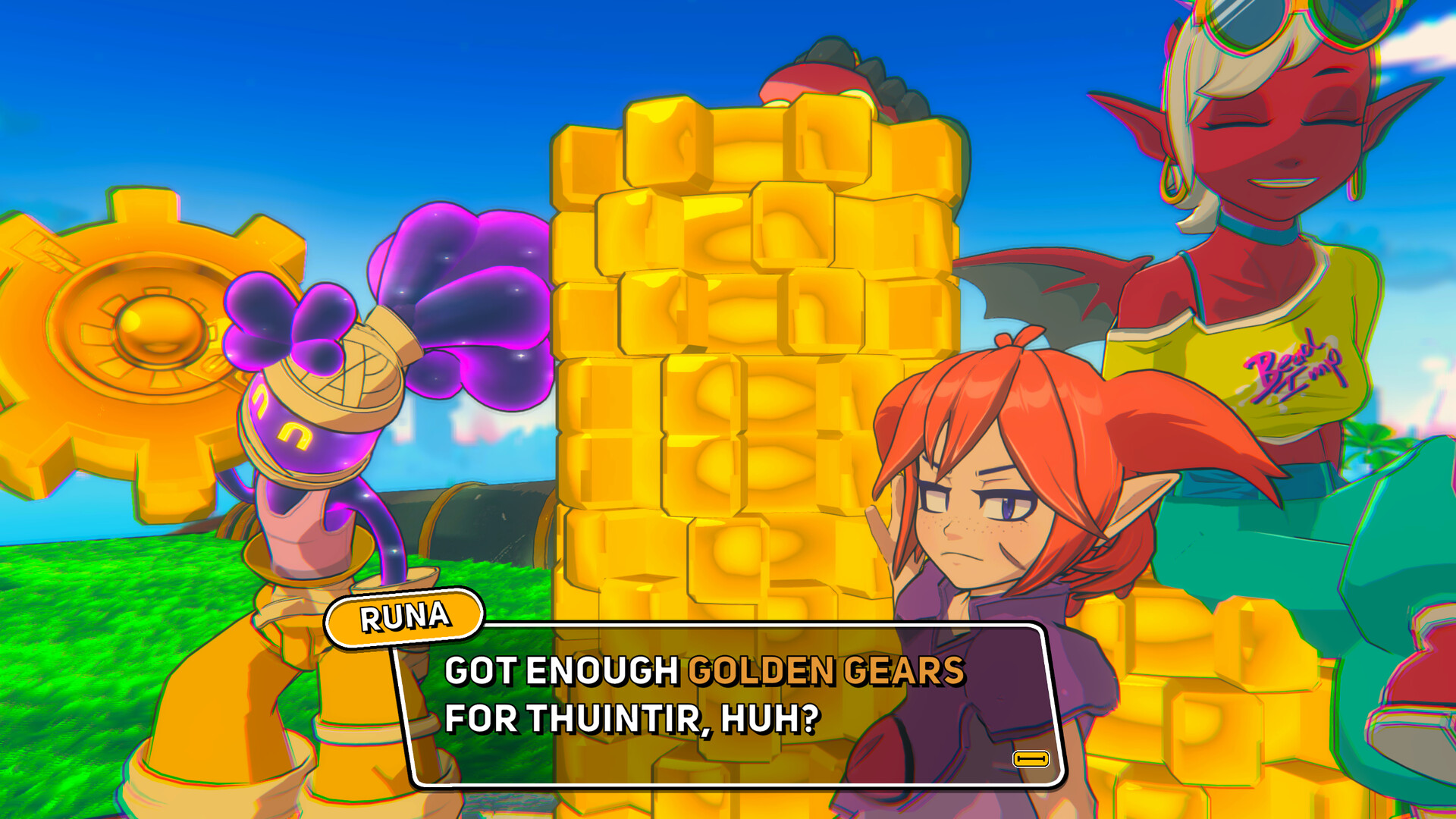
The camera occasionally fights you in tight corridors, and some of the 200+ collectibles exist purely for completionist padding. The story is also paper-thin — but honestly, nobody is playing a 3D platformer for the narrative.
Boss fights are a highlight, each one requiring you to combine movement abilities in creative ways rather than simply dodging and attacking. One memorable encounter takes place on a series of collapsing platforms above a whirlpool, forcing you to maintain momentum while landing hits on a serpent that dives in and out of the water. Another pits you against a wind elemental on a series of floating islands, where each gust can send you flying off the edge if you are not grounded at the right moment. These encounters feel like practical exams for everything the game has taught you, and they are immensely satisfying to conquer.
Demon Tides is proof that the 3D platformer genre is alive and thriving. It is joyful, inventive, and impossible to put down. An essential purchase for anyone who loves tight controls and creative level design.
Replay value is strong thanks to time trials for every level, hidden developer ghosts to race against, and a New Game Plus mode that remixes collectible locations and adds tougher enemy variants. The game also tracks an impressive array of statistics — total airtime, longest combo chain, fastest tide transition — that appeal to the optimization-minded. At around twelve hours for the main campaign and twenty-five for full completion, Demon Tides respects your time in a way that many larger games do not.