
Id Software had a problem. After DOOM Eternal pushed the first-person shooter to its mechanical limits, demanding inhuman precision and resource management at breakneck speed, where do you go next? The answer, brilliantly, is backward: to a medieval dark fantasy prequel that strips away some of Eternal's complexity in favor of raw, devastating power. DOOM: The Dark Ages is the origin story the Slayer deserves.
The shift to a medieval setting is more than cosmetic. The Dark Ages replaces futuristic corridors and Martian landscapes with crumbling castles, hellish battlefields, and fog-shrouded forests that look like they were torn from a particularly violent oil painting. The idTech engine delivers some of the most impressive visuals in gaming, with lighting and particle effects that make every demon-slaying encounter feel like the climax of a heavy metal album cover.
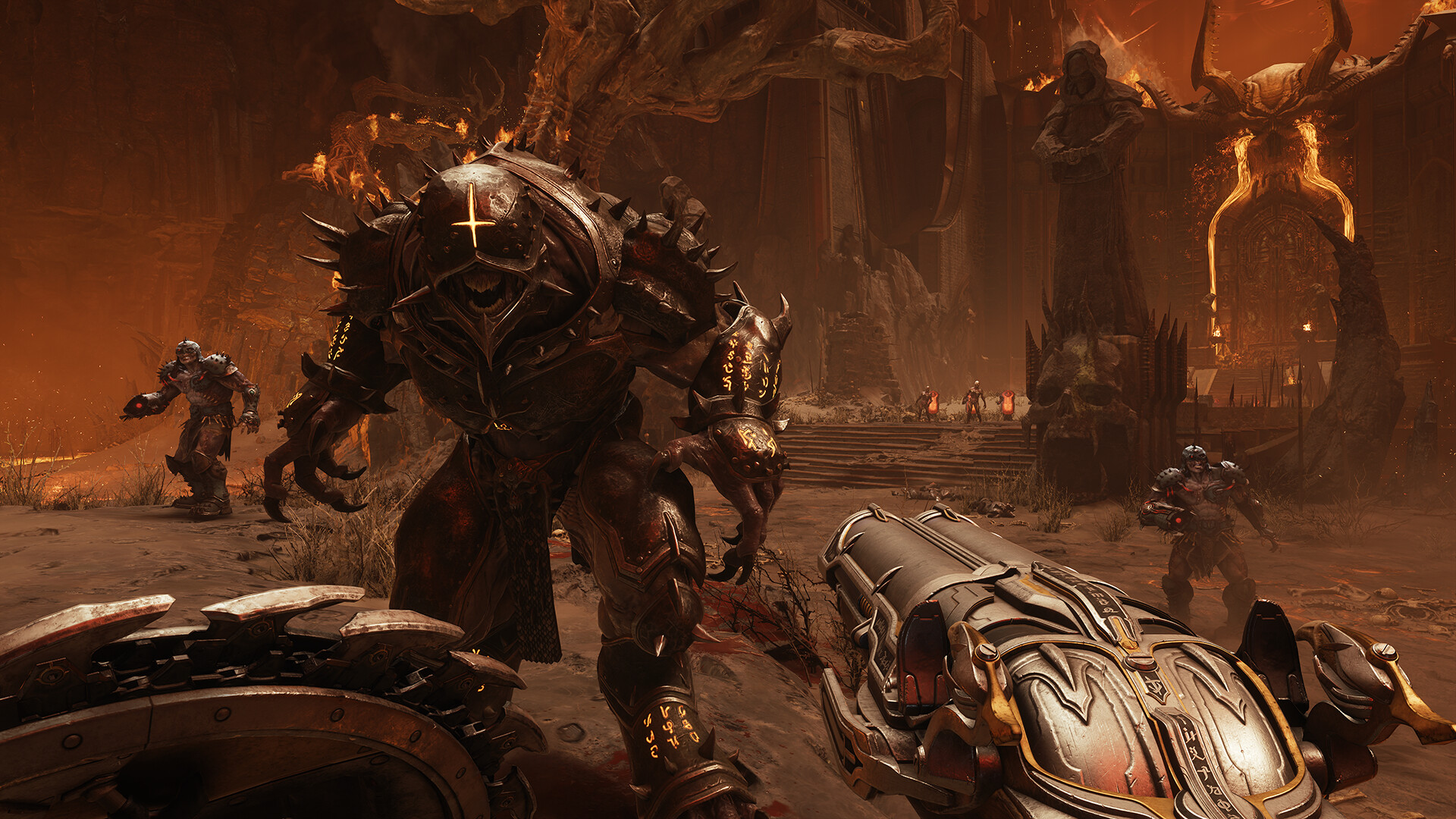
Combat has been rebalanced to emphasize aggression over resource management. The controversial Marauder-style enemies from Eternal are gone, replaced by encounters that reward relentless forward momentum. The Shield Saw is the standout addition, functioning as both a defensive tool that blocks incoming fire and an offensive weapon that can be hurled at enemies for devastating damage. It fundamentally changes the rhythm of combat in a way that feels fresh without abandoning the series' identity.
The Atlan mech sequences are the game's most spectacular moments. Piloting a building-sized war machine through armies of demons, tearing apart kaiju-sized monsters with your metal fists, creates a sense of scale that the series has never achieved. These sections are carefully paced to avoid outstaying their welcome, serving as exclamation points between the tighter on-foot combat sequences.
Dragon riding, the other major addition, is equally thrilling. Soaring above demon-infested landscapes and raining fire down on armies below captures a fantasy power trip that perfectly complements the ground-level brutality. The dragon controls are surprisingly responsive, and aerial combat encounters against flying demons are intense and well-designed.
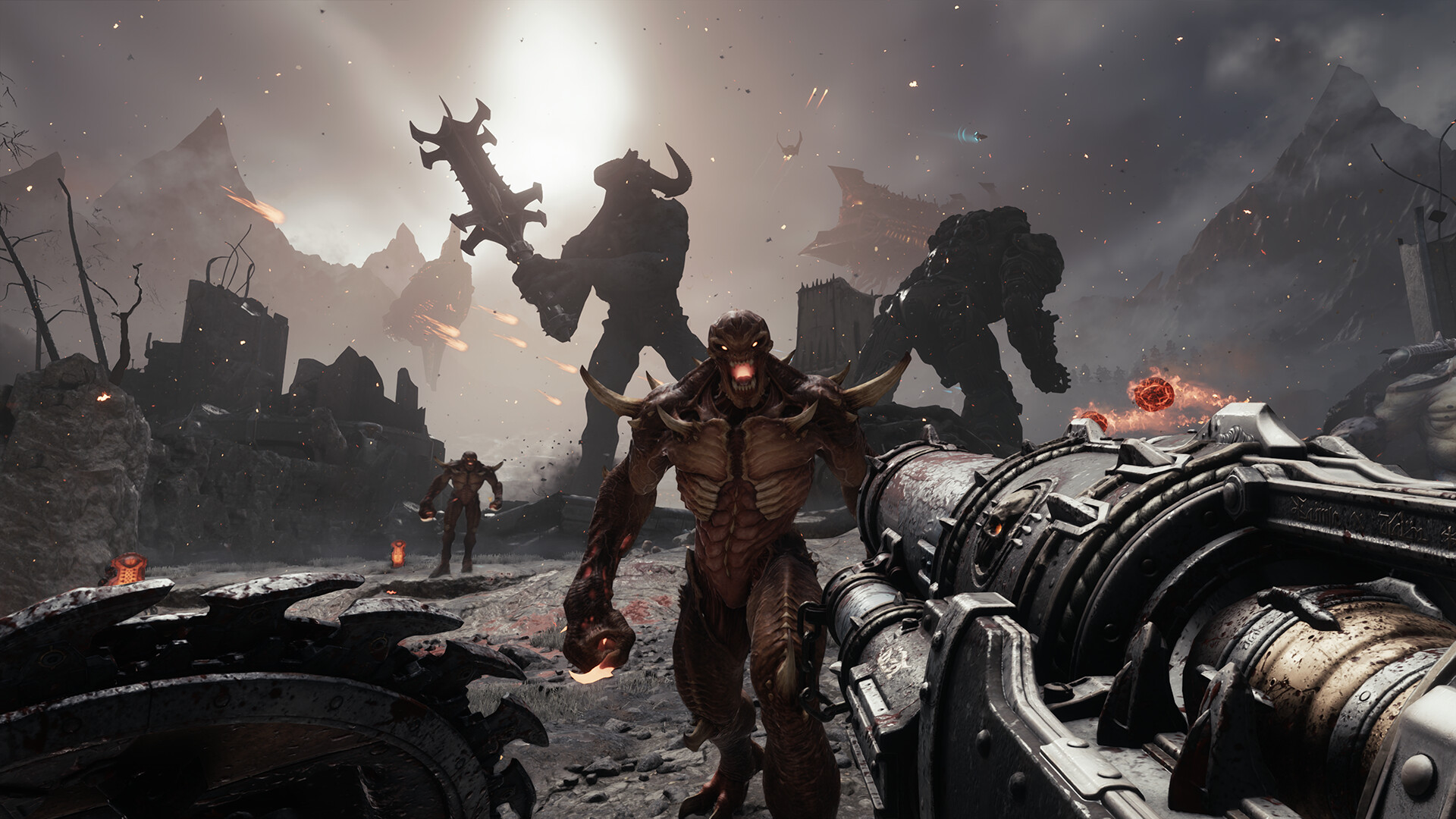
The sandbox levels represent id Software's experiment with more open-ended design, and the results are mixed. Some offer genuinely interesting exploration opportunities, with hidden upgrades and optional encounters that reward curiosity. Others feel unfocused, their larger spaces diluting the intensity that makes DOOM combat so thrilling. The linear levels, by contrast, are among the best the studio has ever designed, with perfect pacing and relentless momentum.
The story is more prominent than in previous entries, with actual cutscenes, dialogue, and lore that flesh out the Slayer's medieval origins. Id Software will never be confused with narrative-focused studios, but The Dark Ages makes a genuine effort to give emotional context to the carnage. The relationship between the Slayer and the medieval lords who both fear and need him adds an interesting dimension to a character previously defined entirely by his violence.
The glory kill system has been enhanced with more contextual animations tied to the medieval setting, and they are as brutally satisfying as ever. Splitting a demon with a chainsaw-shield, ripping a Hell Knight apart with bare hands, and impaling enemies on environmental objects never gets old across the fifteen-hour campaign.
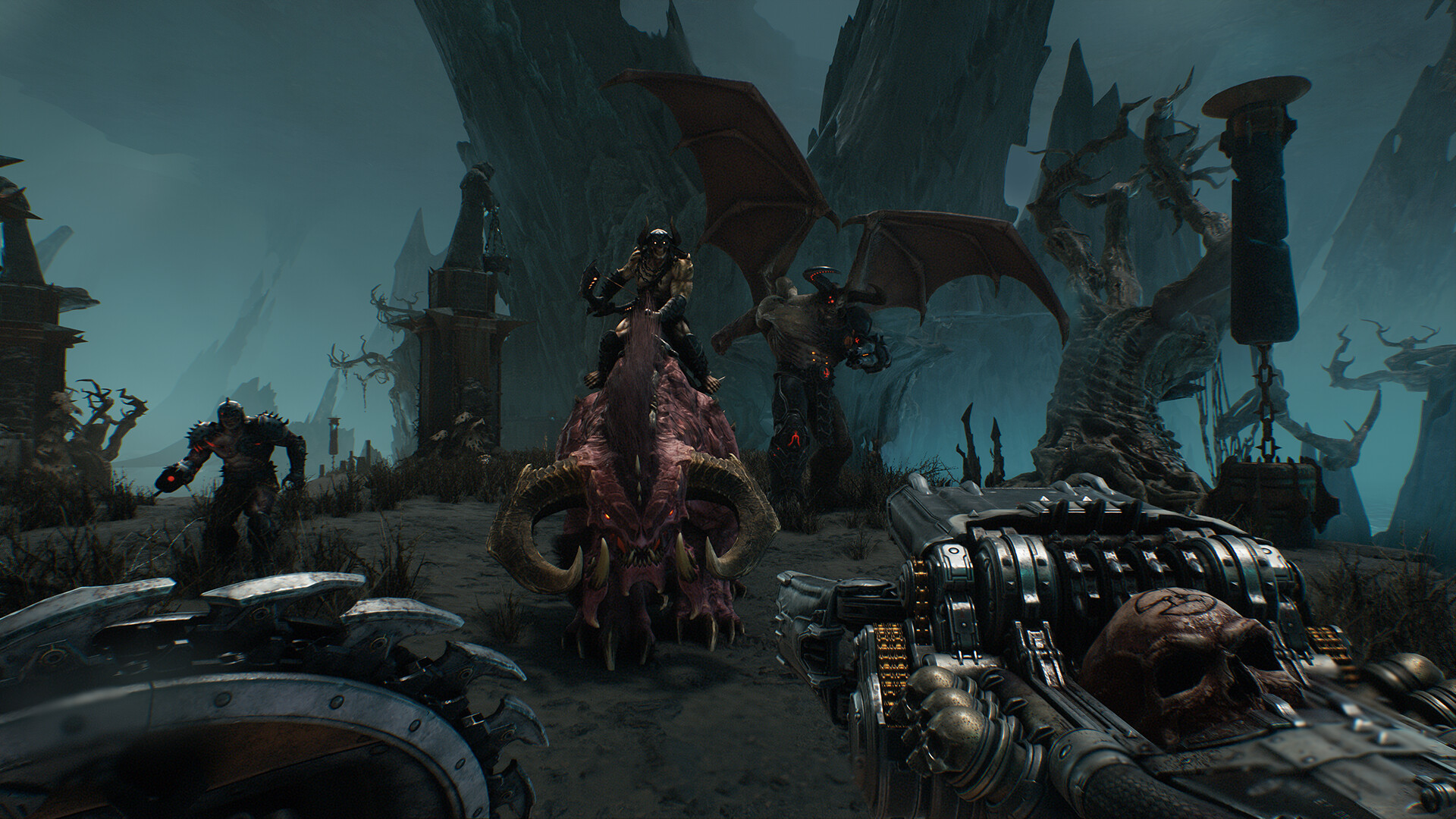
DOOM: The Dark Ages proves that the franchise has plenty of life left in it. By shifting the setting and recalibrating the combat, id Software has created the most accessible and cinematic DOOM experience while maintaining the white-knuckle intensity the series is known for. It is not quite the mechanical marvel that Eternal was, but it is a more consistently enjoyable experience from start to finish. Rip and tear, medieval style.