
Dragon Quest VII was always the black sheep of the franchise — a massive, sprawling adventure buried under a notoriously slow opening and punishing length. Square Enix's Reimagined version finally gives this ambitious game the presentation it deserves.
For context, the original Dragon Quest VII launched on PlayStation in 2000 and was later remade for the 3DS in 2013. Both versions were praised for their ambition but criticized for pacing issues that tested even the most dedicated JRPG fans. This Reimagined version, built from the ground up for modern hardware, represents the most comprehensive overhaul in the series' history — and the results speak for themselves.
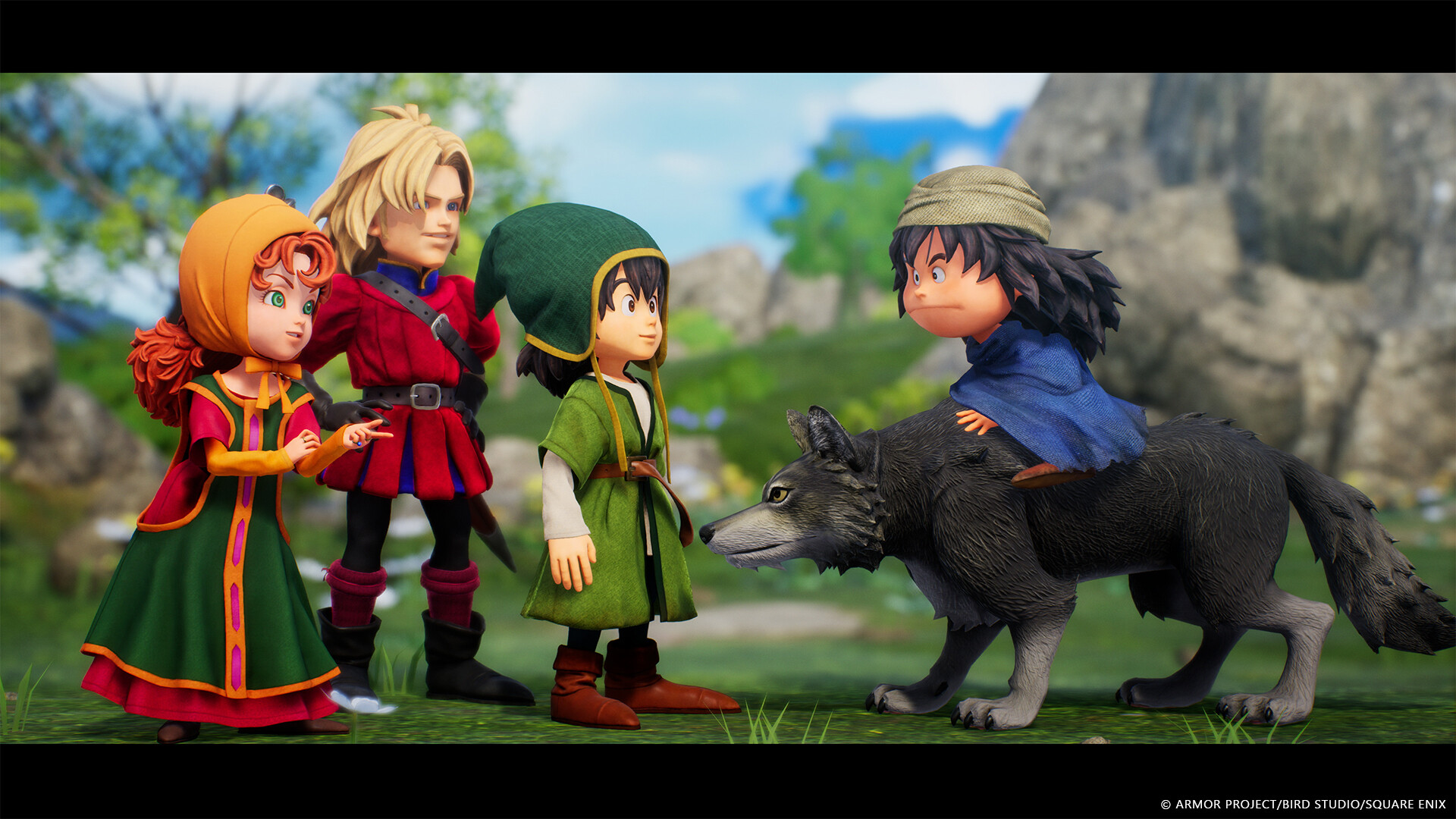
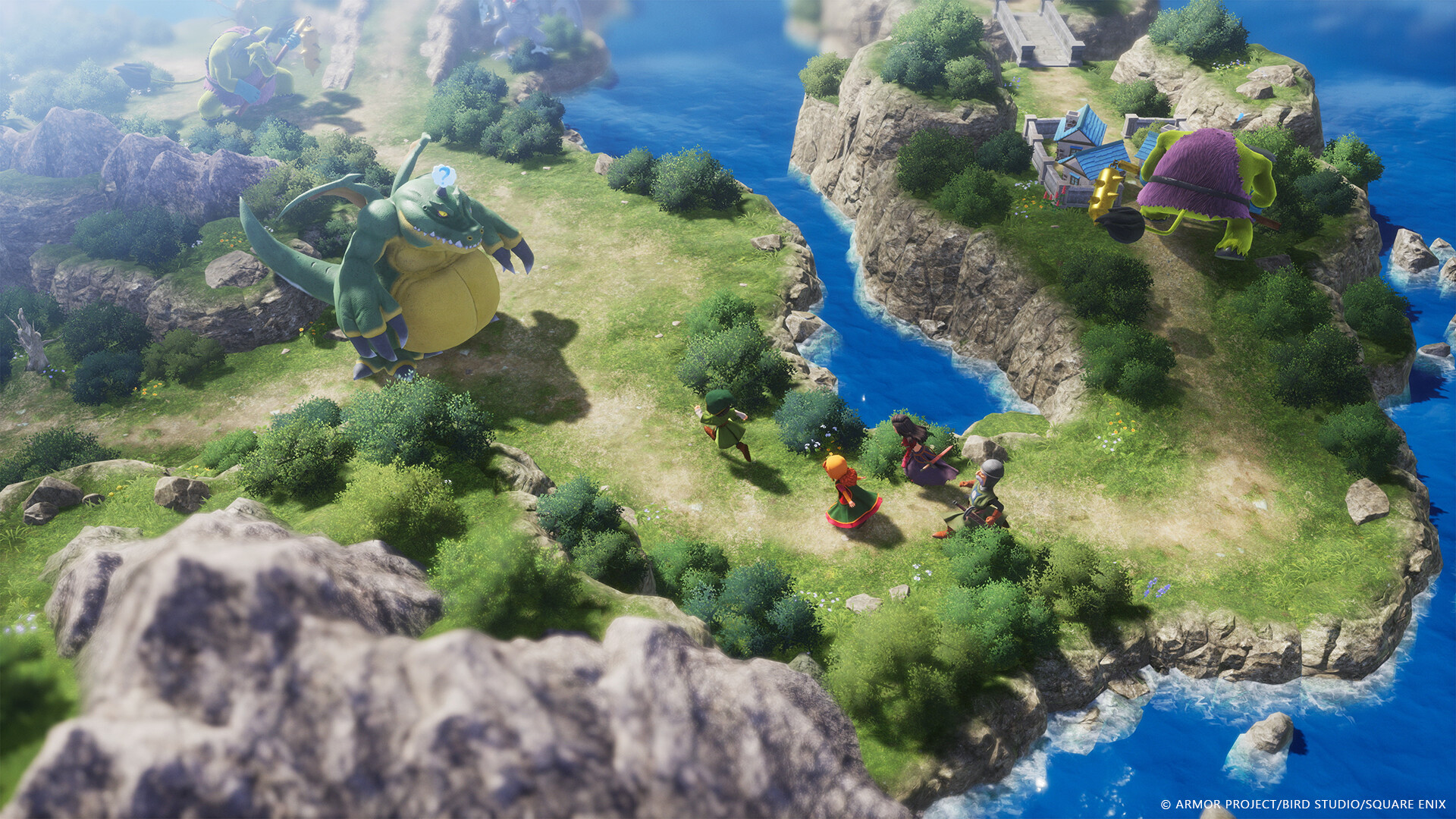
The first thing you will notice is the art style. The diorama-inspired visuals transform every location into a miniature world that feels handcrafted with love. Towns look like elaborate toy sets, dungeons feel like peering into a shadow box, and the effect is utterly charming.
The audio has been completely rerecorded with a full orchestra, and the difference is transformative. Koichi Sugiyama's original compositions were always strong, but hearing them performed with this level of production quality elevates every scene. The battle theme in particular benefits from the orchestral treatment, with dynamic arrangements that shift based on the number of enemies and the threat level. Voice acting has been added throughout the main story for the first time, and the cast delivers charming performances that bring personality to characters who were previously silent text boxes.
The original's biggest flaw — a four-hour opening before the first battle — has been dramatically trimmed. You are now fighting within the first hour, and the pacing improvements continue throughout. Side content that was previously mandatory is now optional, respecting the player's time.
The class system remains the game's crown jewel. With dozens of vocations to master and abilities to mix and match, party building is endlessly satisfying. The Reimagined version adds a few new classes and rebalances old ones, making experimentation even more rewarding.
The island restoration mechanic — the central conceit of Dragon Quest VII's structure — remains as compelling as ever. Each restored island tells its own self-contained story, from tragic tales of cursed villages to lighthearted adventures involving bumbling thieves. The emotional range of these vignettes is impressive, and the Reimagined version has added new story beats and expanded existing ones to give each island more depth. Some of these mini-narratives are genuinely moving, rivaling the emotional impact of the main storyline.
Combat is classic turn-based Dragon Quest — reliable, strategic, and comforting. Some players may wish for more modern battle mechanics, but there is an undeniable charm to the formula, especially with the new speed options and auto-battle for easier encounters.
Dragon Quest VII Reimagined is a love letter to JRPG fans and newcomers alike. It transforms one of the genre's most daunting entries into something genuinely inviting, all while preserving the heart that made the original special.
Quality-of-life improvements extend beyond pacing. The map system has been completely redesigned with clear objective markers and a fast-travel network that unlocks progressively. Equipment management now includes a comparison tooltip that shows stat changes before you commit to a purchase. The monster recruitment system from the original has been streamlined — monsters you defeat in battle can now be recruited to a farm that provides passive bonuses and crafting materials, adding a layer of strategy without the tedium of the original's monster park.
At roughly sixty hours for the main story and over a hundred for completionists, Dragon Quest VII Reimagined is a massive game. The post-game dungeon is a substantial challenge that remixes encounters from throughout the campaign, and the bonus boss fights test every skill the class system has to offer. Performance is flawless on all platforms, with the Switch version running at a stable 30fps and the PS5 and PC versions targeting 60fps with no noticeable drops. The diorama art style is not particularly demanding on hardware, which means even modest PCs can run it beautifully.