
Dragon's Dogma 2 is the rare sequel that understands exactly what made its predecessor special — and then doubles down on every single one of those qualities, for better and worse. It's a game of extraordinary highs and frustrating lows, often within the same hour of play.
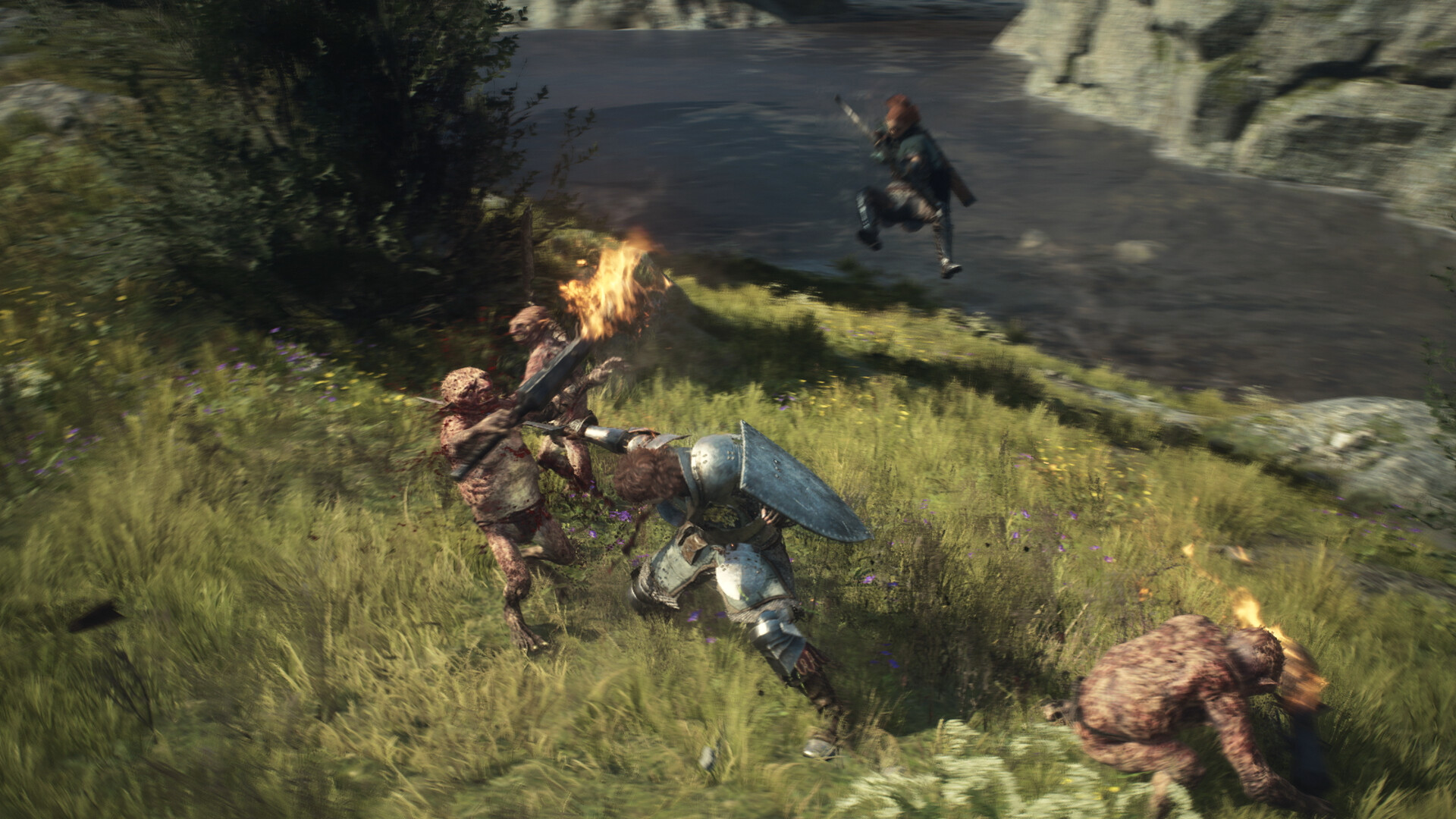
The combat remains the series' crown jewel. Climbing a griffin mid-flight, hacking at its wings as your Pawns cast support spells from the ground below, only to plummet together into a canyon and stumble into a goblin ambush — these emergent moments happen constantly and they never stop being thrilling. Every vocation feels distinct and satisfying, and the new ones like Mystic Spearhand and Warfarer add even more tactical depth.
The Pawn system has been meaningfully expanded. Your AI companions now have better awareness, more personality in their dialogue, and genuinely useful combat behaviors. Hiring other players' Pawns remains one of gaming's most unique multiplayer mechanics — asynchronous cooperation that adds real strategic value.
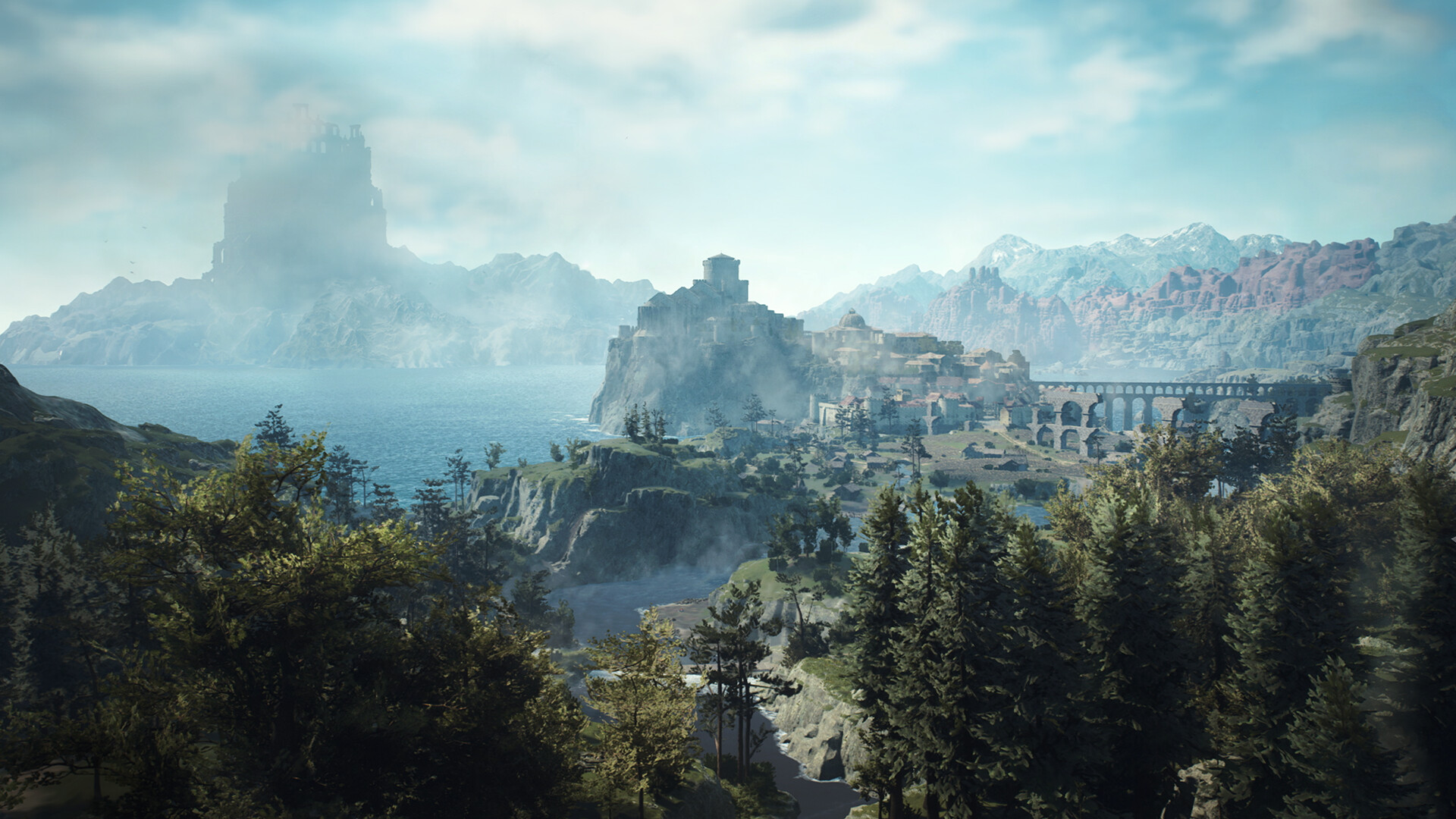
The open world is enormous and rewarding to explore on foot. Every hill hides something — a cave, a monster lair, an NPC with a quest, a scenic vista. The deliberate lack of fast travel forces you to engage with the world in ways modern open-world games rarely demand, and the day-night cycle creates genuine tension as darkness brings out deadlier enemies.
But that lack of fast travel also creates genuine frustration. Backtracking through familiar territory for the tenth time isn't immersive — it's tedious. And the performance issues on all platforms, particularly in the capital city of Vernworth, are severe enough to regularly undermine the experience. Frame rates dip into the low twenties in crowded areas, and no amount of patches have fully resolved the problem.
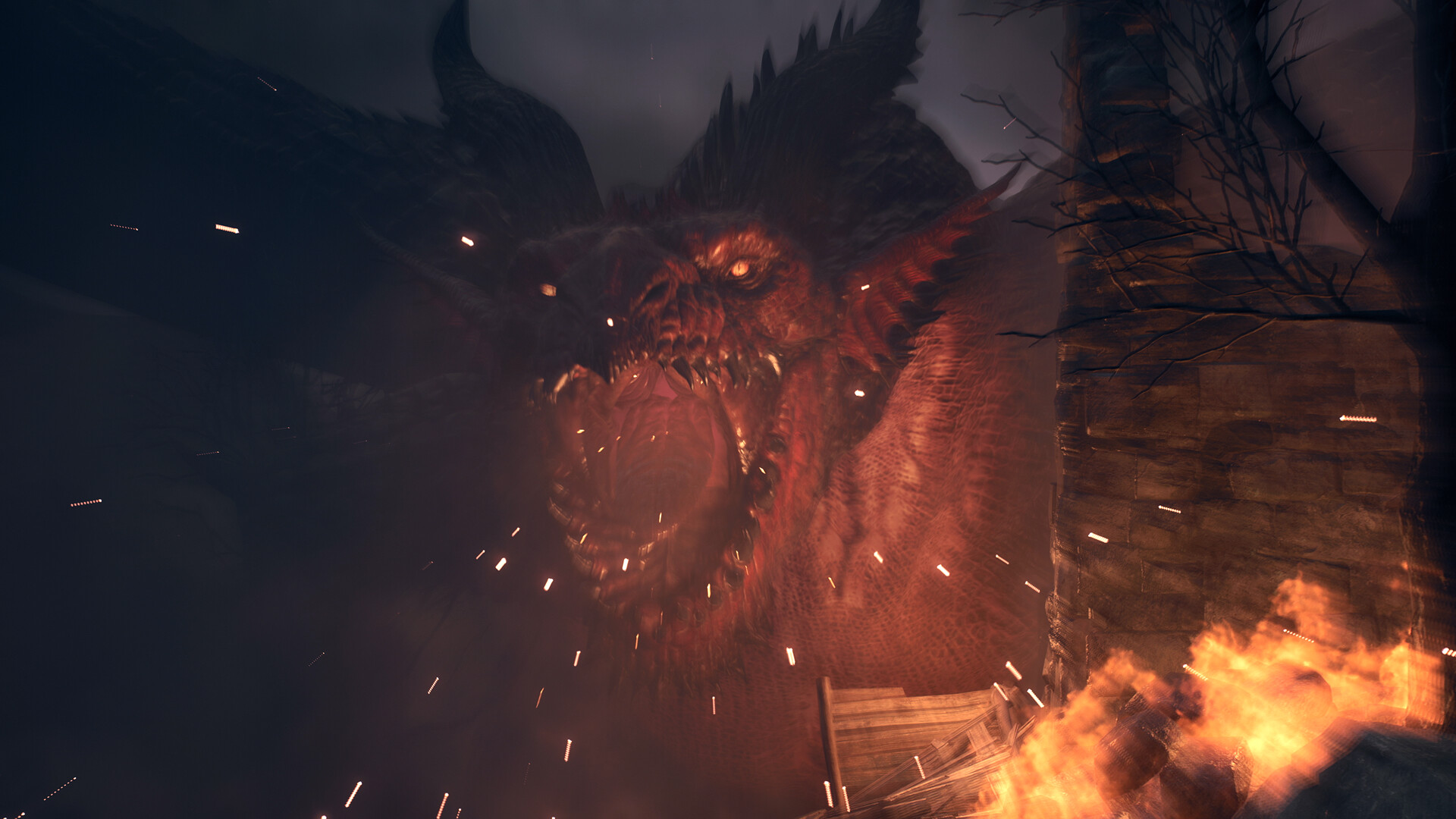
The microtransaction controversy deserves mention. While the purchasable items can all be found in-game, their presence in a full-price release feels tone-deaf and unnecessary. Capcom's decision to sell fast travel stones — in a game that deliberately limits fast travel — is particularly cynical.
The main storyline, unfortunately, takes a backseat to emergent exploration. The narrative is functional but unremarkable, following a chosen-one template that the game seems uninterested in developing beyond its basic premise. Side quests fare better, with some genuinely surprising outcomes that reflect the game's commitment to player agency.
Dragon's Dogma 2 is a game that rewards patience and curiosity in equal measure. Its systems are deep, its world is vast, and its combat is among the best in the genre. But its technical issues and monetization choices prevent it from reaching the heights its design deserves. It's a flawed masterpiece — emphasis on both words.