
Final Fantasy VII Rebirth is that rare sequel that not only meets the towering expectations set by its predecessor but surpasses them in nearly every meaningful way. Square Enix has taken the tight, corridor-driven experience of Remake and blown it wide open, delivering a vast journey across the world beyond Midgar that captures the spirit of the 1997 original while forging an identity entirely its own. This is not merely a faithful recreation but a daring reimagination that earns the right to surprise even the most devoted fans of the source material.
The game picks up immediately after the events of Remake, with Cloud and his companions venturing beyond the walls of Midgar for the first time. The scope of Rebirth is staggering, spanning diverse regions from sun-drenched coastlines to haunted forests, each rendered with a level of detail and artistic vision that showcases Square Enix at the peak of their craft. The open world structure allows players to explore at their own pace, uncovering side quests, hidden encounters, and environmental puzzles that reward curiosity without ever feeling like empty padding.
The combat system, already excellent in Remake, reaches its zenith here. The new Synergy system allows party members to chain abilities together in ways that feel organic and deeply satisfying. Swapping between characters mid-combo creates a flow state that other action RPGs can only dream of. Every party member feels distinct, with unique playstyles that encourage constant experimentation. Tifa's martial arts combos, Barret's ranged suppression, Aerith's magical dominance, and Red XIII's agile strikes all complement Cloud's versatile swordplay beautifully.
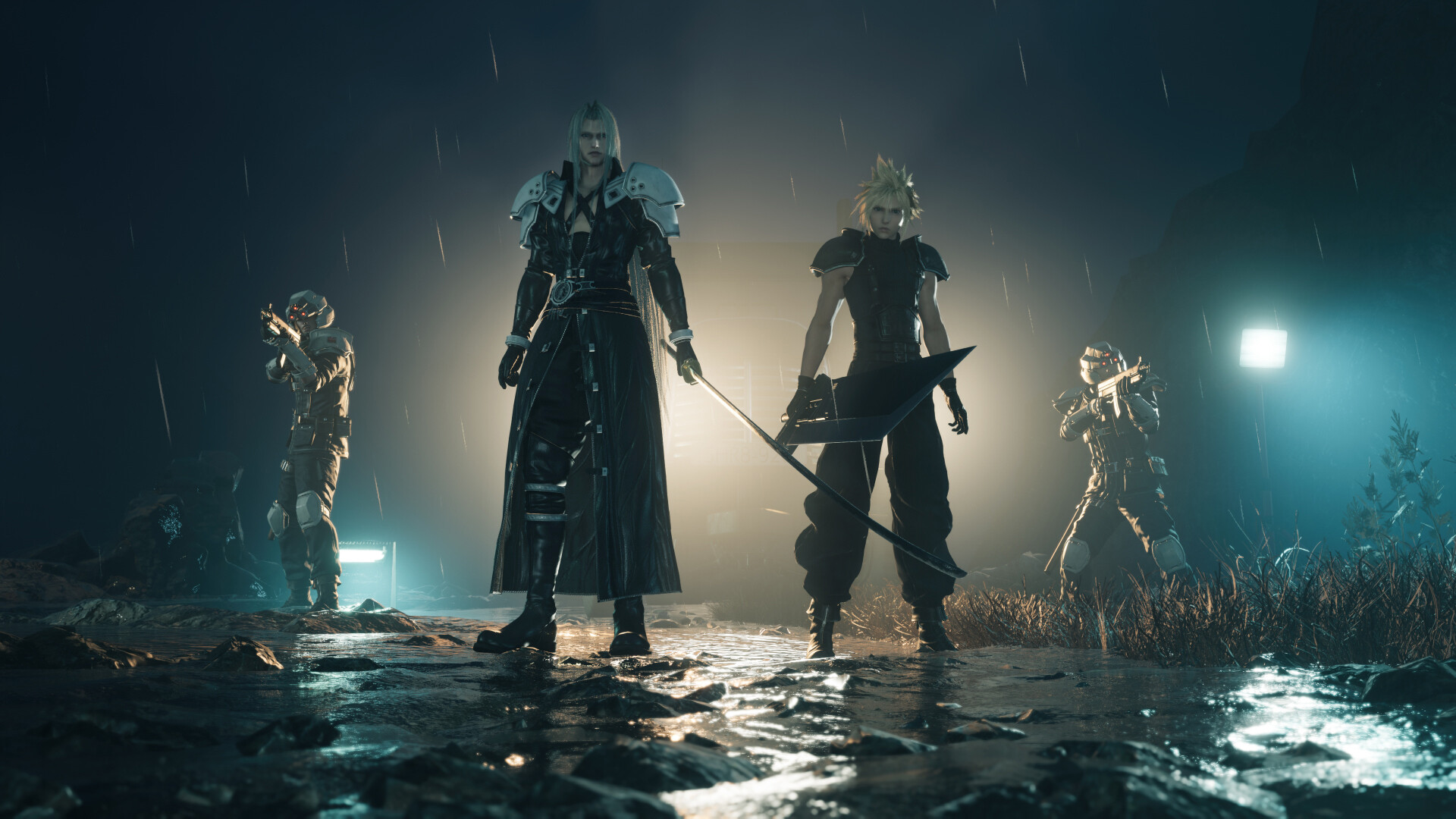
What elevates Rebirth above its predecessor is the character work. The quieter moments between party members, whether shared meals at camp, optional conversations during exploration, or affinity-building activities, give these beloved characters a warmth and depth that the original could only hint at. The relationships feel genuine, and the game smartly uses its expanded runtime to let these bonds develop naturally. Seeing Cloud slowly open up to his companions over the course of the journey is genuinely moving.
The narrative takes bold swings that will divide the fanbase, and that is precisely what makes it compelling. Rebirth is not content to simply retread familiar ground. It introduces new plot threads, recontextualizes key moments, and makes changes that feel purposeful rather than arbitrary. The question of fate, free will, and the nature of storytelling itself becomes a thematic undercurrent that gives the entire experience an added layer of meaning. The final hours, in particular, are among the most emotionally powerful in any Final Fantasy game.
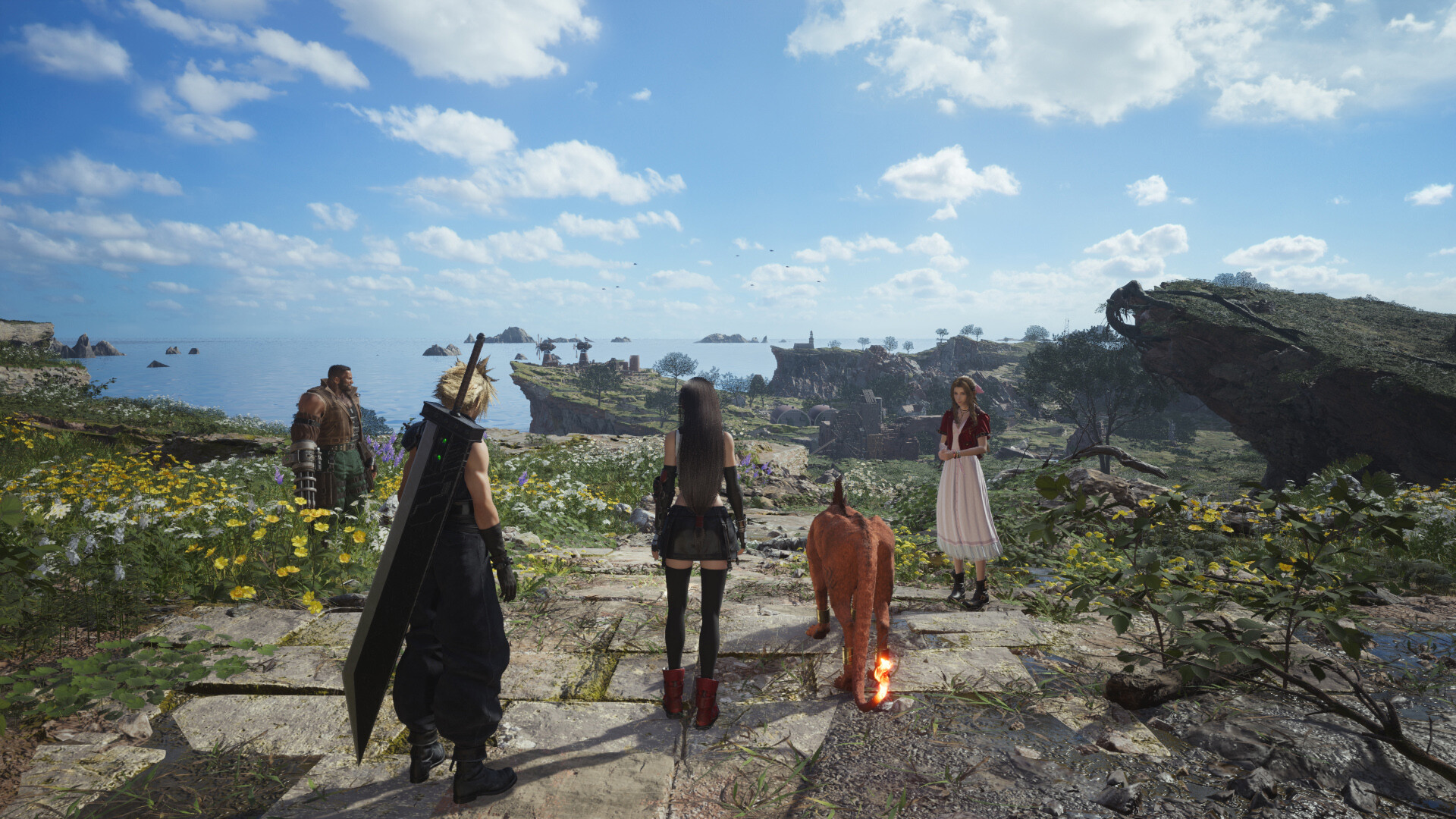
The open world, while largely excellent, does have its weaker moments. Some regions feature activities that lean too heavily on familiar open-world tropes like fetch quests and collectible hunts. The minigames, a series staple, are hit-or-miss with some, like the card game Queen's Blood, being genuinely addictive while others, like certain festival challenges, drag on longer than they should. These are minor blemishes on an otherwise exceptional canvas.
Musically, Rebirth is a triumph. The soundtrack combines classic Final Fantasy VII themes with sweeping new compositions that perfectly capture each region's atmosphere. The voice cast delivers career-best performances, particularly Cody Christian as Cloud and Briana White as Aerith, whose chemistry anchors the emotional core of the story. Technical performance on PlayStation 5 is mostly solid, though texture streaming and occasional frame drops during densely populated areas were noticeable at launch.
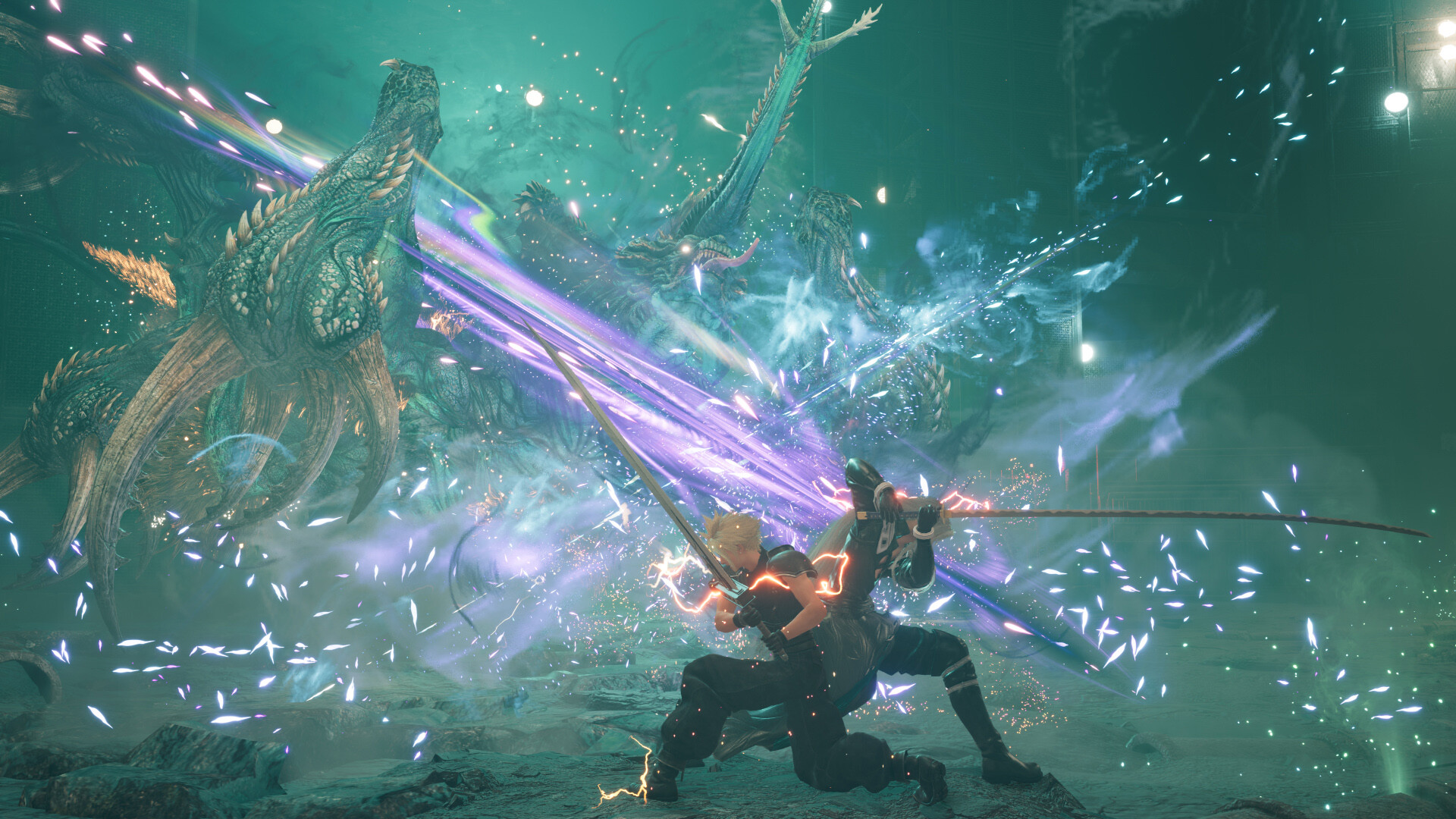
The PC release in January 2025 addressed many of the console version's technical shortcomings, offering higher resolution textures, improved frame rates, and ultrawide support that make it the definitive way to experience the game for those with capable hardware. The port is well-optimized and demonstrates Square Enix's growing commitment to delivering quality PC versions of their flagship titles.
Final Fantasy VII Rebirth is a landmark achievement in the JRPG genre. It takes one of gaming's most cherished stories and proves that there is still so much more to discover within it. The combat is exhilarating, the world is vast and gorgeous, the characters are more alive than ever, and the narrative choices are brave enough to make this journey feel genuinely new. Whether you are a lifelong fan or a newcomer discovering this world for the first time, Rebirth demands your attention and rewards it generously.