
Like a Dragon: Infinite Wealth is the best game Ryu Ga Gotoku Studio has ever made, and given the quality of their output over the past two decades, that statement carries enormous weight. It's a game overflowing with content, heart, and the kind of unhinged creativity that only this series can deliver.
The move to Hawaii is transformative. Honolulu is rendered with loving attention to detail — every beach, shopping district, and back alley feels authentic and alive. It's the largest explorable area in series history, and unlike many open-world games, virtually every corner rewards curiosity with a substory, a secret, or a minigame. The tropical setting also provides a tonal counterpoint to the series' traditionally urban Japanese environments, creating a fresh energy that revitalizes the formula.
Combat has been dramatically refined since Yakuza: Like a Dragon. The turn-based system now incorporates positioning, environmental hazards, and a tag-team mechanic between Ichiban and Kiryu that adds layers of strategic depth. New jobs are creative and mechanically distinct, and the summon system provides spectacle without breaking the difficulty curve. It's the most satisfying turn-based combat outside of the Persona series.

The dual-protagonist structure is brilliantly executed. Ichiban's arc is one of optimism and growth — his relentless positivity in the face of adversity remains one of gaming's most endearing character traits. Kiryu's story, by contrast, is contemplative and emotionally devastating, grappling with legacy, mortality, and the consequences of a life spent fighting. The interplay between their perspectives gives the narrative a richness that elevates the entire experience.
Dondoko Island deserves its own paragraph. This Animal Crossing-inspired resort management minigame is so deep, so polished, and so addictive that it could have been released as a standalone title. Building, decorating, defending, and marketing your island resort provides dozens of hours of content that feels completely separate from — but narratively connected to — the main story.
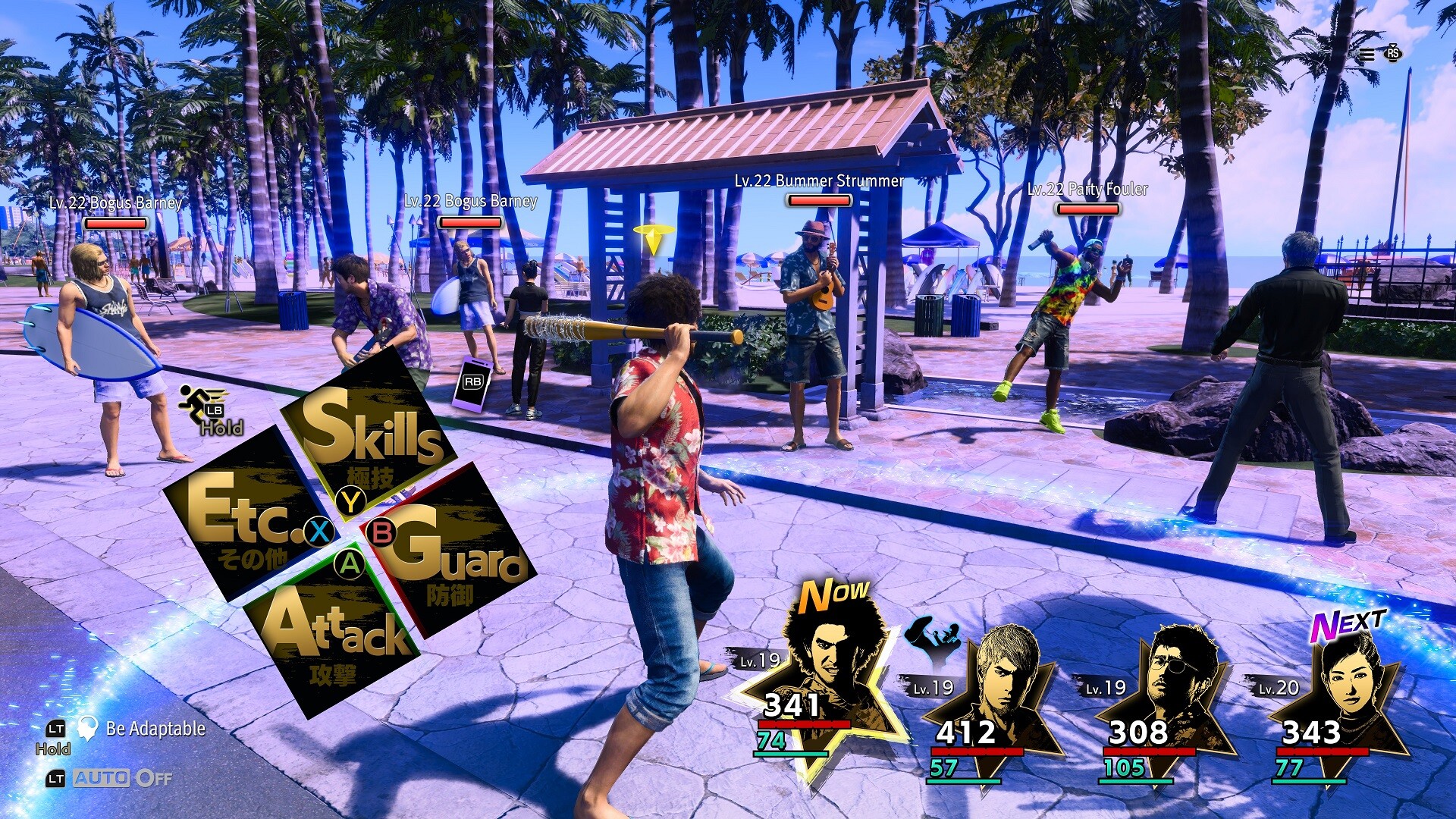
The sheer volume of side content is staggering. Beyond Dondoko Island, there are substories that range from heartbreaking to hysterical, minigames that include everything from Crazy Delivery to Pokemon-style creature battles, and a social link system that deepens your relationships with party members. It's easy to spend 100+ hours before seeing the credits.
The story occasionally buckles under its own ambition. At 60+ hours for the main campaign alone, there are stretches in the middle chapters where pacing flags and the narrative feels padded. Some late-game encounters also require grinding that feels at odds with the otherwise generous difficulty curve. These are minor complaints in the context of the whole, but they prevent an outstanding game from being a perfect one.
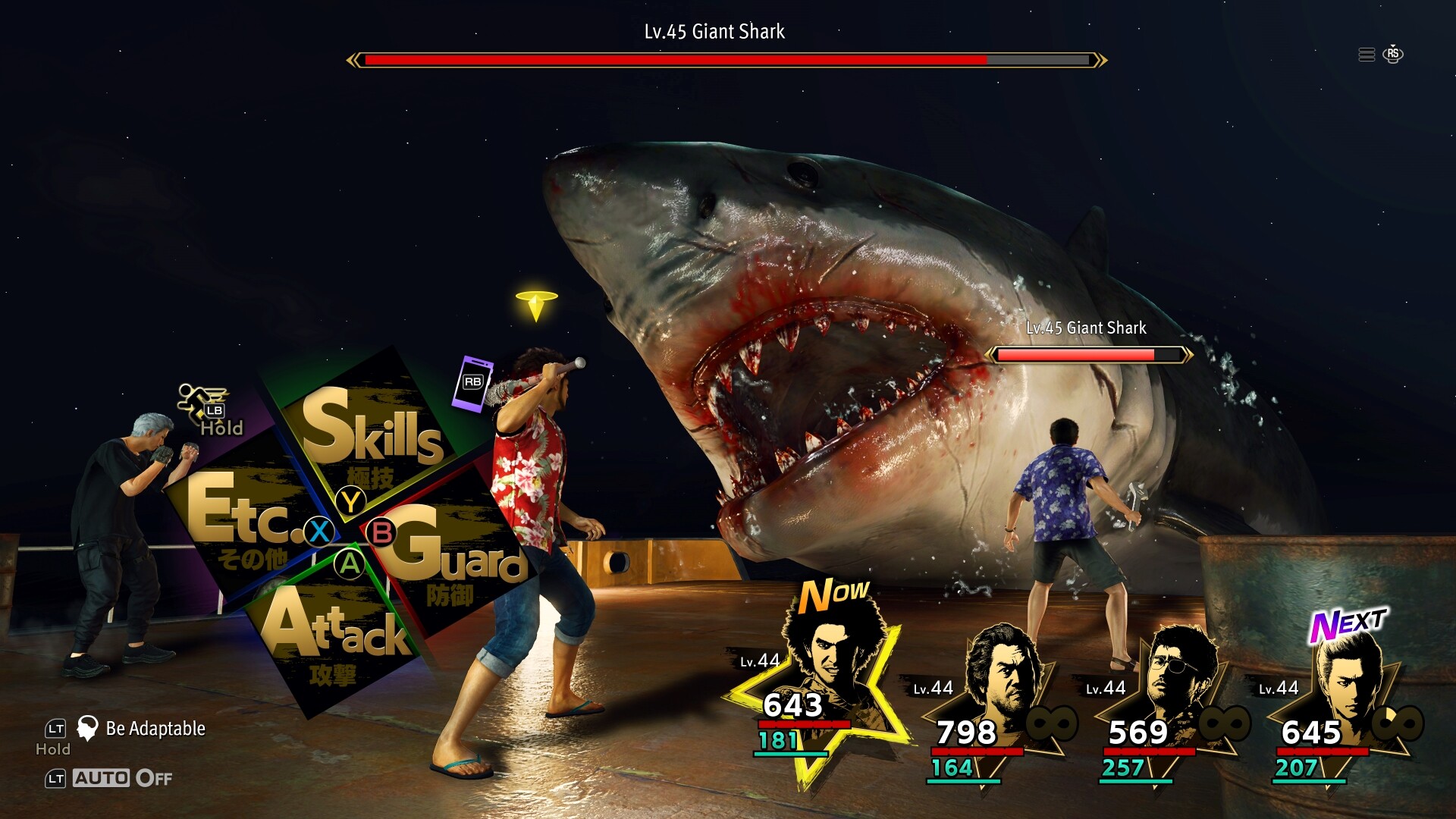
Like a Dragon: Infinite Wealth is a landmark JRPG — a game that proves the genre can be simultaneously massive and intimate, serious and absurd, traditional and innovative. It is the definitive Like a Dragon experience, and for many players, it will be the definitive JRPG of this console generation.