
Metaphor: ReFantazio is the game that Atlus has been building toward for over a decade. Studio Zero, the team formed specifically for this project and led by Persona's creative directors Katsura Hashino and Shigenori Soejima, has channeled everything they learned from the Persona series into a fantasy RPG that is simultaneously familiar and entirely new. The result is one of the most compelling JRPGs of the year, a game that proves Atlus can transcend the modern-day settings they are known for while retaining the social depth and stylistic flair that define their best work.
Set in the United Kingdom of Euchronia, a medieval fantasy world scarred by racial prejudice between its various tribes, Metaphor tells the story of a young man who enters a royal tournament to determine the next king. The political narrative tackles themes of discrimination, populism, fear of the other, and the corrupting nature of power with a maturity that is rare in the genre. This is not a simple tale of good versus evil but a nuanced exploration of how societies fracture and how idealism collides with reality.
The Archetype system replaces Persona's Personas with a class-based progression that is even more versatile. Players unlock new Archetypes by deepening bonds with party members and key NPCs, and each Archetype offers a distinct set of abilities, stat modifiers, and passive skills. The real magic is in mixing and matching, layering skills from multiple Archetypes onto a single character to create custom builds that feel uniquely yours. The system has the same addictive quality as Persona's fusion mechanics but with clearer strategic implications.
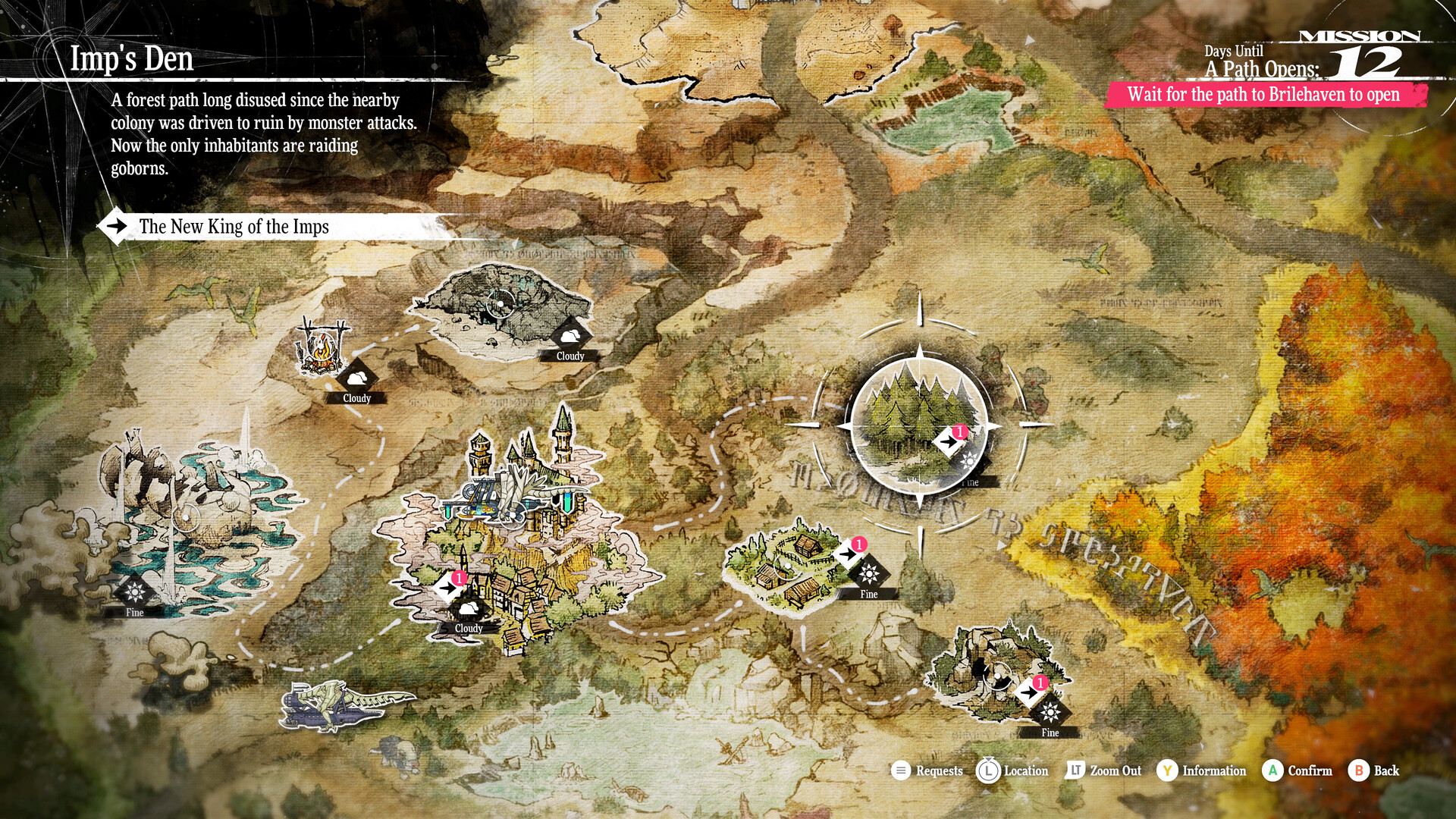
Combat is turn-based with a twist. Weaker enemies can be dispatched in real-time through an action-based field attack system, while stronger foes trigger the traditional turn-based battles that Atlus fans love. This hybrid approach keeps the pacing brisk during exploration while preserving the strategic depth of boss encounters. The Press Turn-inspired weakness system returns, rewarding players who exploit elemental vulnerabilities with extra actions, and boss fights demand careful preparation and party composition.
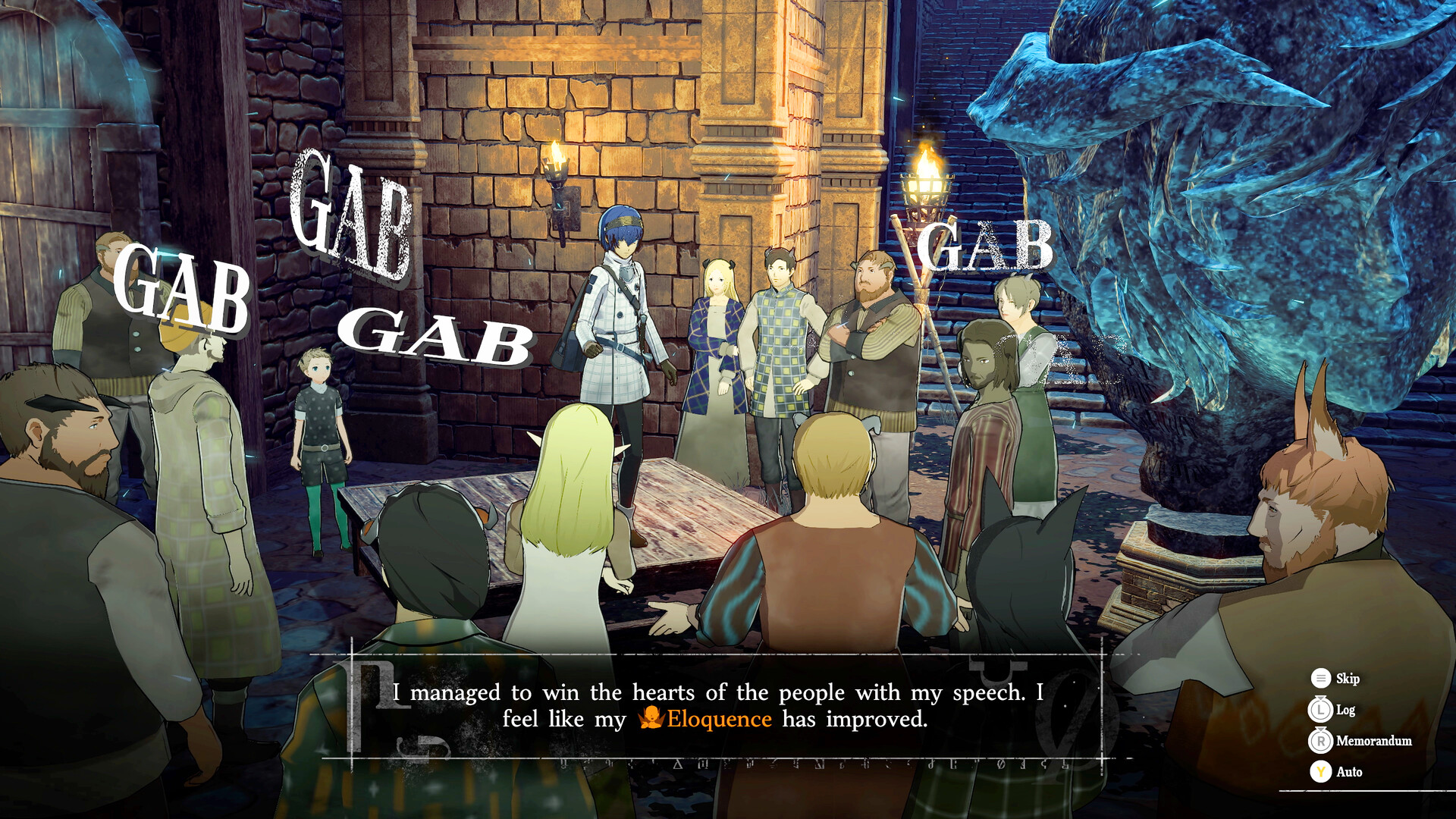
The social simulation layer, Metaphor's equivalent of Persona's Confidant system, operates on a calendar that ticks forward as the tournament progresses. Players must balance dungeon crawling, relationship building, and stat improvement within a limited timeframe, creating the same delicious tension that makes Persona games so addictive. The key relationships are well-written, with companions whose personal struggles mirror the game's larger themes of prejudice and self-discovery. The bonds you form feel earned, and the gameplay rewards for deepening them provide satisfying mechanical incentives alongside the narrative ones.
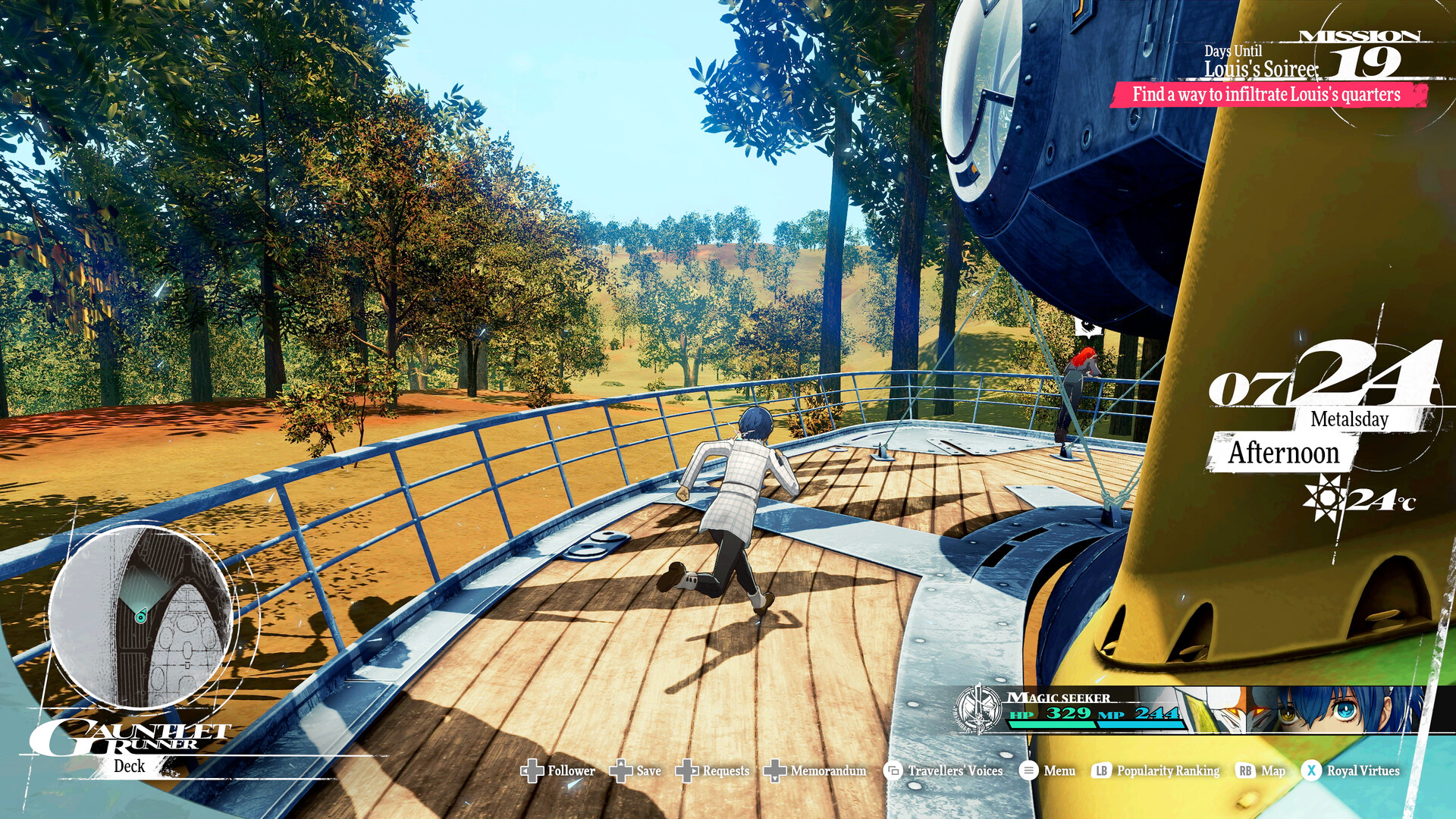
Visually, Metaphor is a feast. Soejima's character designs are as striking as ever, and the fantasy setting allows for a broader palette than Persona's urban environments. Cities feel lived-in, dungeons are atmospheric if occasionally repetitive in their corridor layouts, and the overworld map captures the sense of journeying across a vast kingdom. The UI design, always an Atlus strength, is characteristically bold, with menus that burst with color and personality.
The opening hours are the game's weakest stretch. The story takes time to establish its world and political dynamics, and the initial pacing can feel sluggish for players accustomed to faster hooks. Once the tournament arc gains momentum around the ten-hour mark, the narrative becomes increasingly gripping, building toward a finale that is both emotionally powerful and thematically resonant. The middle chapters suffer slightly from dungeon designs that repeat similar layouts, but the story and character development remain strong enough to carry through these sections.
The soundtrack, composed by Shoji Meguro, is phenomenal. It shifts between epic orchestral pieces during battles, haunting melodies in quiet character moments, and driving rock tracks that recall his best Persona work. The music is as much a character as any party member, elevating every scene it accompanies. Voice performances across the cast are excellent, with the English dub delivering standout work that matches the quality of the Japanese original.
Metaphor: ReFantazio is Atlus at their most ambitious and most accomplished. It takes the social simulation formula that made Persona a global phenomenon and proves it can thrive in any setting. The political narrative is relevant and thought-provoking, the Archetype system offers boundless strategic depth, and the world of Euchronia is one you will not want to leave. Minor pacing issues and repetitive dungeon layouts cannot diminish what is ultimately a defining JRPG of 2024 and a bold new direction for one of the genre's most revered studios.