
There are games that push boundaries, and then there are games that obliterate them entirely. Red Dead Redemption 2 belongs firmly in the latter category. Rockstar Games has crafted something that transcends the medium, delivering an experience so meticulously detailed and emotionally resonant that it stands as one of the greatest achievements in entertainment history.
At the heart of this sprawling epic is Arthur Morgan, a man caught between loyalty to the only family he has ever known and the growing realization that the outlaw life is destroying everything around him. What could have been a simple tale of cowboys and criminals instead becomes a profound meditation on morality, belonging, and the cost of living outside the law. Arthur is not just a great video game character; he is one of the most fully realized protagonists in any storytelling medium, brought to life by Roger Clark's extraordinary performance.
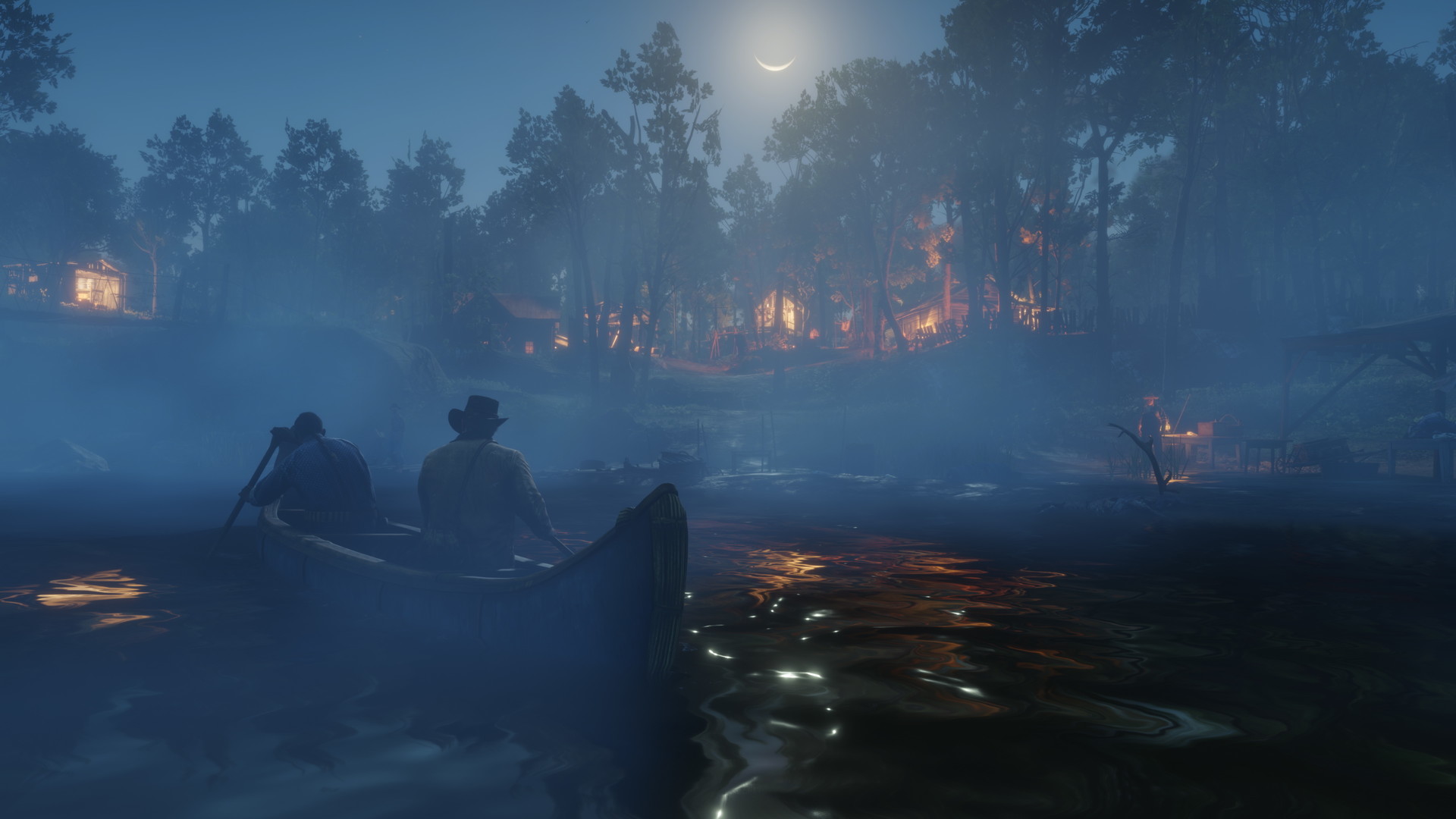
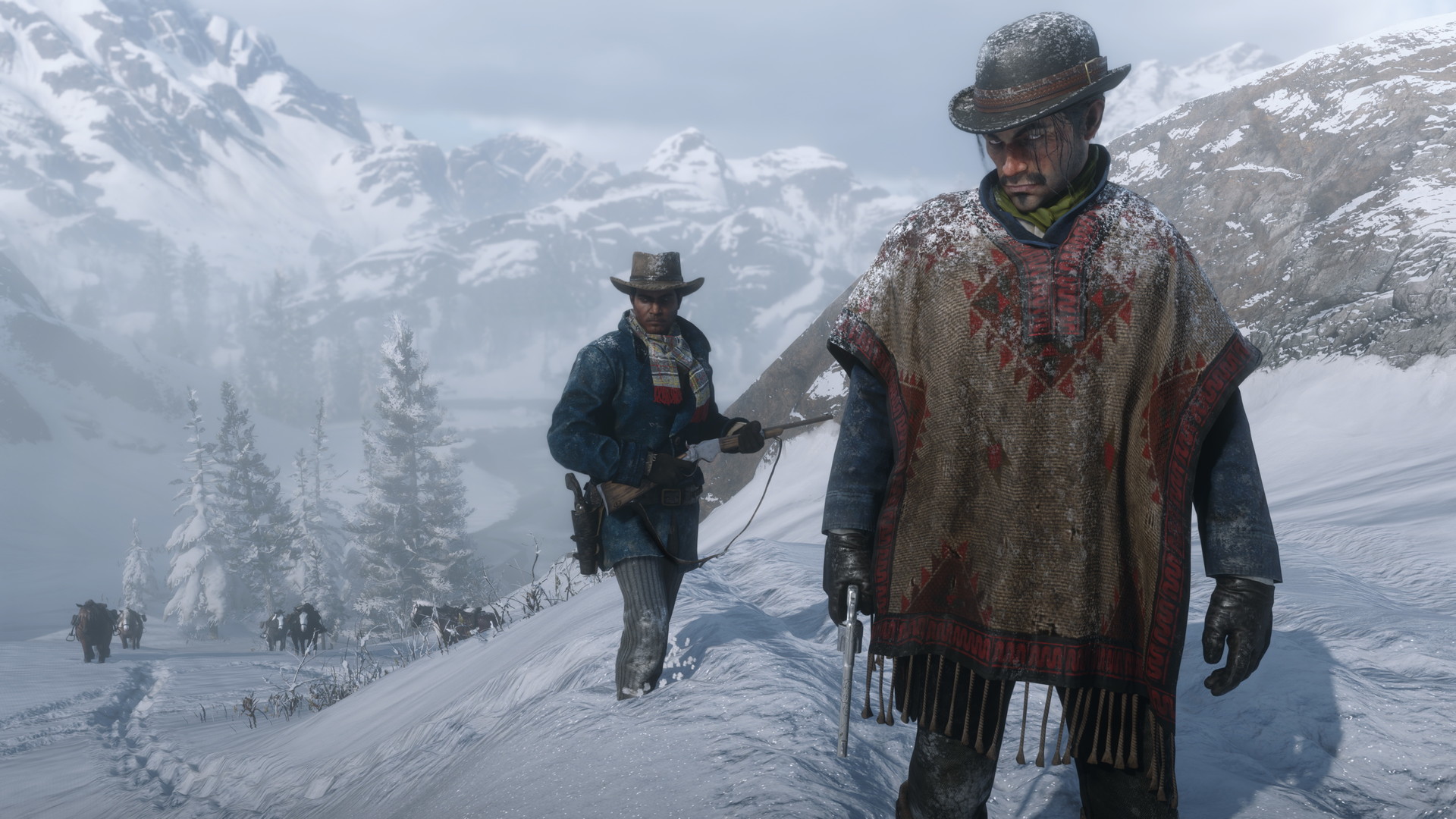
The world itself is nothing short of astonishing. From the snow-capped peaks of Ambarino to the humid swamps of Lemoyne, every square mile of the map feels handcrafted with an obsessive attention to detail. Animals behave according to realistic ecosystems, towns bustle with daily routines, and the weather shifts in ways that genuinely affect gameplay. You can spend dozens of hours simply existing in this world, hunting, fishing, and stumbling upon random encounters that tell their own miniature stories.
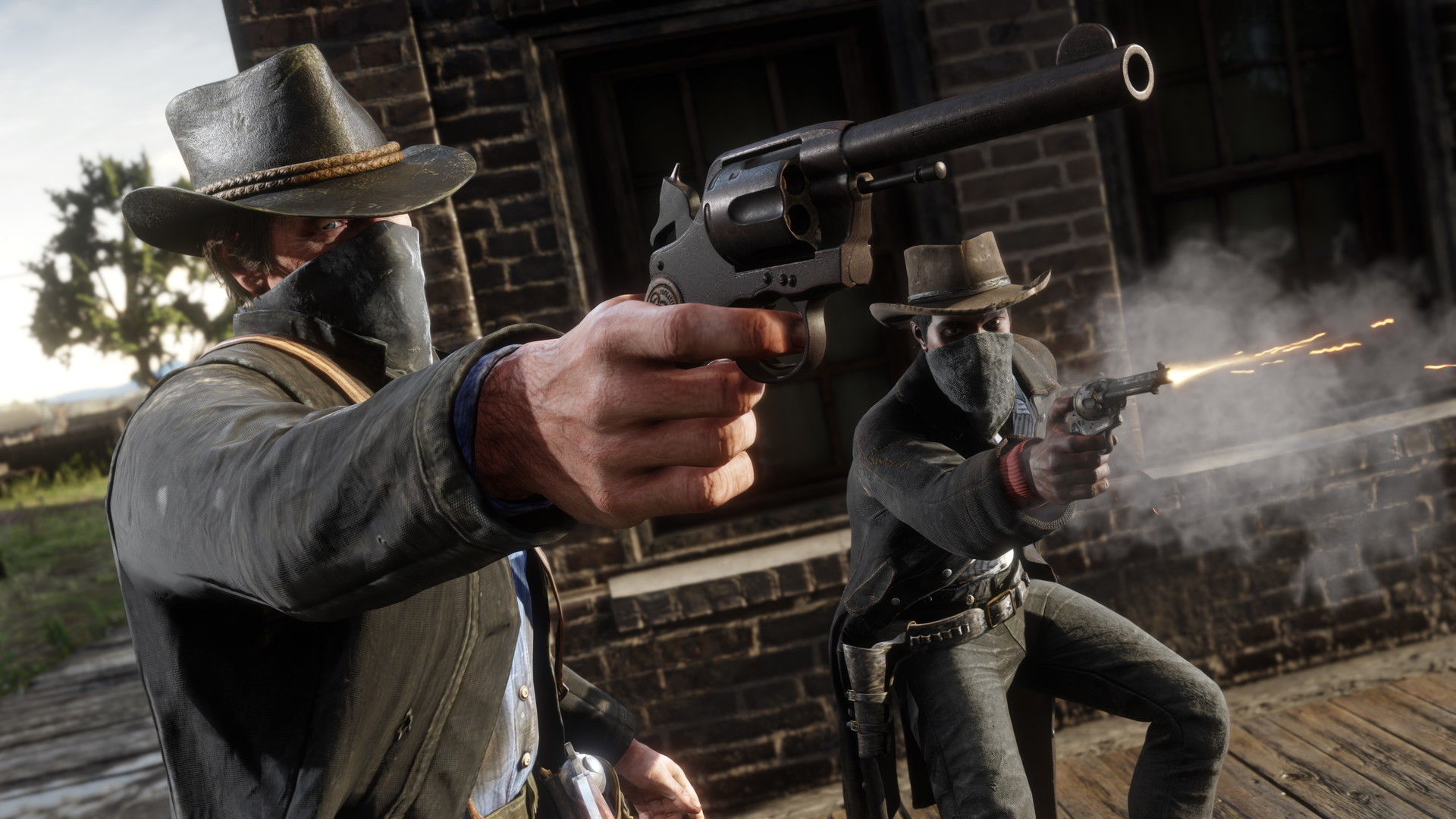
Combat is weighty and deliberate, favoring the methodical gunplay of classic westerns over the frenetic action of modern shooters. The Dead Eye system returns with new layers of depth, allowing you to tag targets and execute devastating sequences that make you feel like a genuine gunslinger. Every weapon has a distinct personality, and the feedback from each shot is enormously satisfying.
The camp system adds a layer of emotional investment that few games have matched. Your fellow gang members are not just quest givers; they are people with hopes, fears, and personalities that evolve as the story progresses. Sitting around the campfire listening to Javier play guitar or watching Uncle spin one of his tall tales creates moments of genuine warmth that make the darker turns of the narrative hit even harder.
Visually, Red Dead Redemption 2 remains one of the most beautiful games ever made. The lighting engine produces sunsets that look like oil paintings, volumetric fog rolls through valleys with an almost supernatural beauty, and the particle effects during gunfights create a cinematic atmosphere that never gets old. On PC, with the settings cranked up, this game is a technical showcase that still embarrasses many newer releases.
The soundtrack deserves special mention. The original score is hauntingly beautiful, perfectly capturing the melancholy of a dying era. But it is the licensed tracks, deployed with surgical precision at key narrative moments, that truly elevate the experience. There is one particular horseback ride late in the game, accompanied by a song that perfectly encapsulates everything the story has been building toward, that stands as one of gaming's most powerful sequences.
Where the game falters is in its pacing and mission design. Rockstar has a tendency toward rigid mission structures that funnel players down specific paths, which can feel at odds with the freedom of the open world. The deliberately slow pace of daily activities like cooking and horse maintenance will delight some players and frustrate others. These are not small complaints, but they fade when measured against the sheer ambition and execution of everything else.
Red Dead Redemption 2 is more than a game. It is a place you visit, a story you live, and a character you become. Years after release, it remains the high-water mark for open-world design and interactive narrative. If you have not experienced Arthur Morgan's journey, you owe it to yourself to saddle up.