
The announcement that Bloober Team would be remaking Silent Hill 2 was met with understandable skepticism. Konami's 2001 masterpiece is widely regarded as the greatest horror game ever made, a work of art that uses the medium's interactivity to explore grief, guilt, and denial in ways that no film or novel could replicate. Handing this responsibility to a studio whose previous work, while atmospheric, had never reached the same psychological depth felt like a gamble. Against significant odds, Bloober Team has delivered a remake that not only respects the source material but enhances it in ways that make the return to Silent Hill feel genuinely worthwhile.
James Sunderland receives a letter from his dead wife, Mary, asking him to meet her in their special place in the town of Silent Hill. This setup, unchanged from the original, remains one of gaming's most effective hooks, and the remake wisely lets the story breathe rather than rushing to explain its mysteries. The pacing of the narrative has been carefully preserved, with new dialogue and expanded scenes that deepen character relationships without overexplaining the ambiguity that makes the story so powerful.
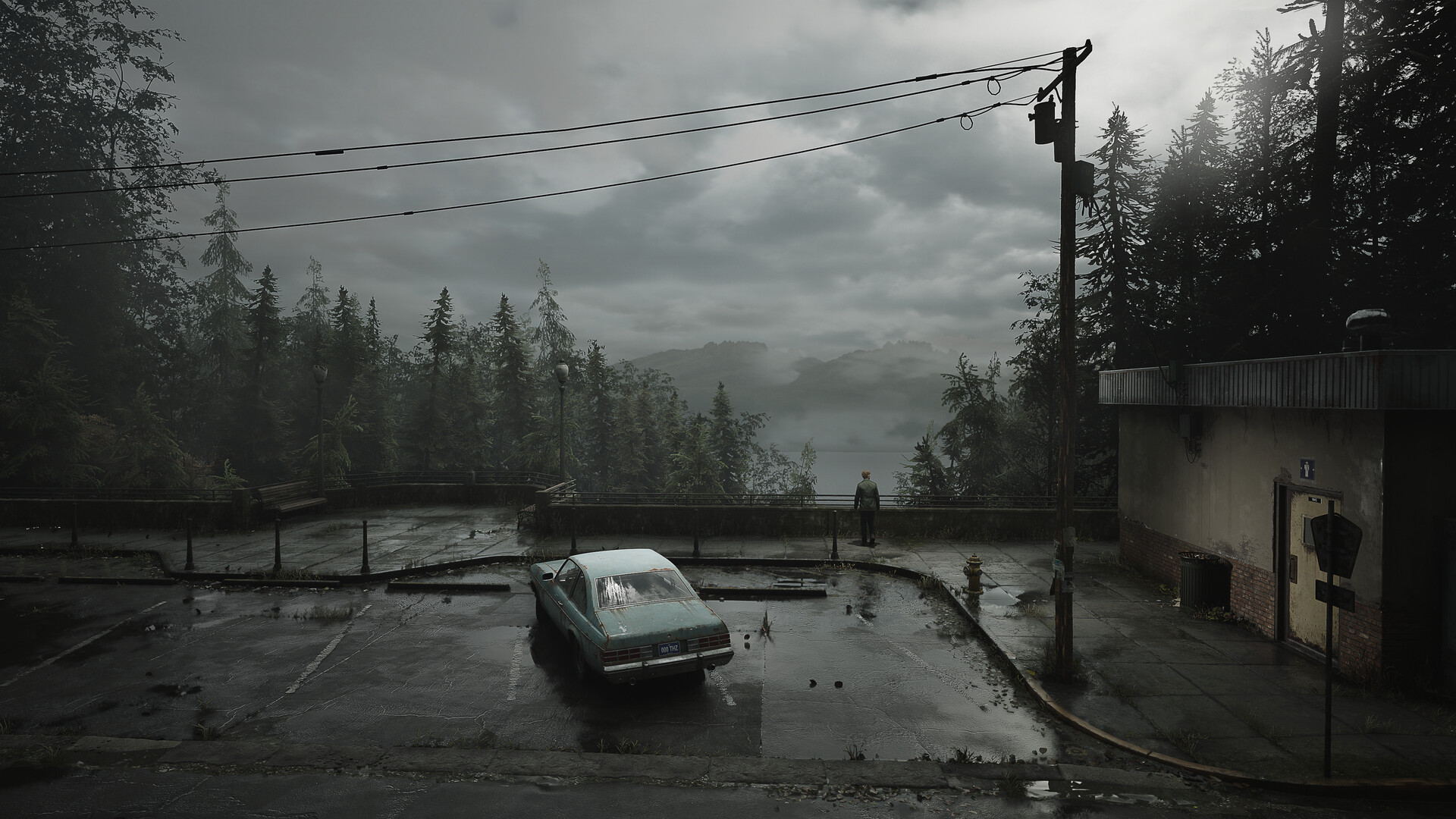
The visual transformation is staggering. Built on Unreal Engine 5, the fog-shrouded streets of Silent Hill have never looked more oppressive or more beautiful in their decay. The town feels like a character unto itself, with crumbling buildings, rust-streaked walls, and impossibly dark corridors that seem to close in around you. The lighting, in particular, is masterful. James's flashlight cuts through the darkness with a realism that makes every shadow feel alive, and the transition from the misty outdoor environments to the nightmarish Otherworld is handled with a visual intensity that surpasses the original.
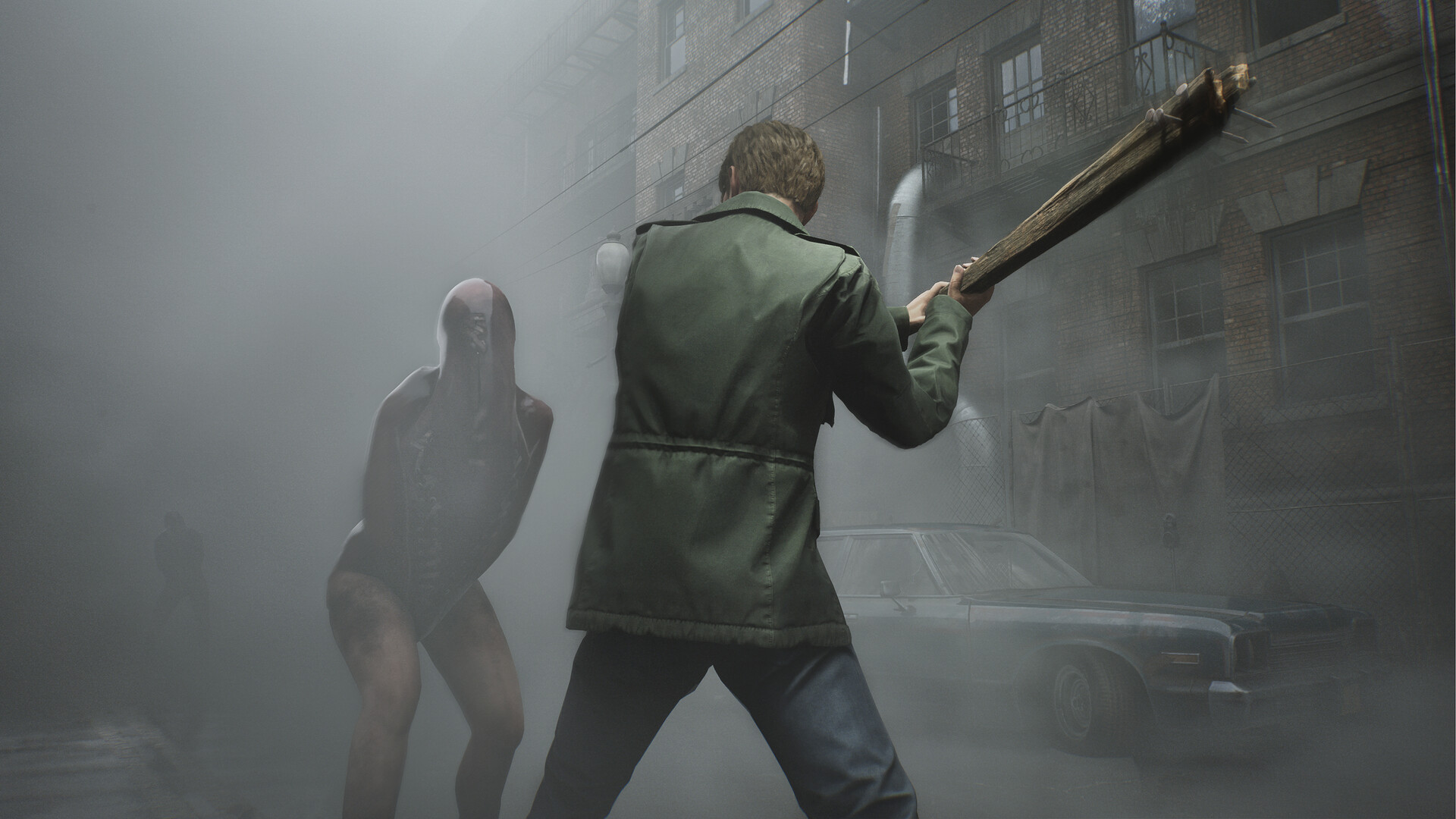
The biggest mechanical change is the shift to an over-the-shoulder perspective, replacing the original's fixed camera angles. This is the remake's most controversial decision, and opinions will vary. The new camera makes combat more immediate and engaging, allowing for a dodge-and-strike system that transforms encounters from the clunky affairs of the original into genuinely tense survival encounters. However, the fixed cameras of the 2001 version served a deliberate purpose, creating disorientation and vulnerability that the new perspective cannot fully replicate. What is lost in atmospheric unease is gained in moment-to-moment tension.
Combat has been substantially reworked. James moves with a desperate, untrained heaviness that communicates his civilian status without feeling unfair. Weapons have weight, ammunition is scarce, and the game smartly uses resource scarcity to maintain tension. The creature designs, faithful to the originals while benefiting from modern rendering, are disturbingly detailed. Nurses twitch with unsettling animation, Mannequins lurk in corners with predatory stillness, and Pyramid Head's appearances carry a physical menace that the increased visual fidelity amplifies tremendously.
Akira Yamaoka's return to compose a reimagined soundtrack is one of the remake's greatest assets. The iconic themes have been rearranged with new instrumentation that preserves their emotional core while giving them a fresh identity. The industrial ambient soundscapes that underscore exploration are more layered and more unsettling than ever, with subtle audio cues that create a constant sense of unease. The sound design overall is exceptional, from the static hiss of the radio detecting nearby creatures to the echoing footsteps in empty hospital corridors.
The expanded areas and adjusted puzzles are a mixed bag. Some additions, like new rooms in the apartment complex and an extended sequence in the hospital basement, add meaningful content that enriches the experience. Others feel like padding that disrupts the original's carefully measured pacing. The puzzles, while cleverly redesigned to prevent veterans from solving them on muscle memory alone, occasionally lack the thematic elegance of the originals, relying more on mechanical complexity than symbolic resonance.
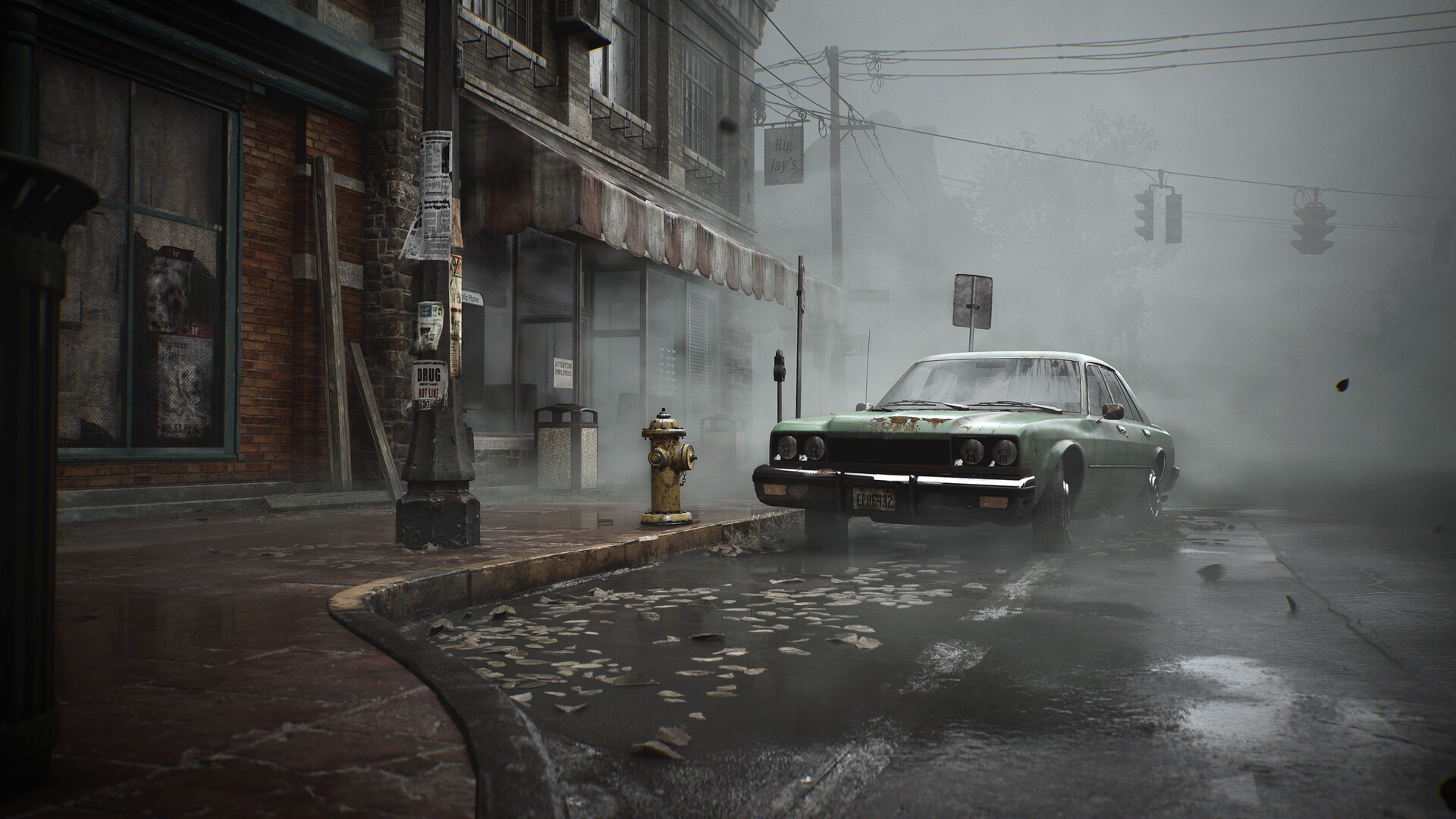
Performance on PlayStation 5 is solid, with a stable frame rate in performance mode and impressive visual fidelity in quality mode. The PC version had a rougher launch, with shader compilation stutters and inconsistent frame pacing that required several patches to address. Post-update, the PC experience is strong, particularly for those with hardware capable of handling the game's demanding ray tracing implementation.
Silent Hill 2 Remake is a triumph of respect and craftsmanship. Bloober Team has demonstrated that they understood not just what Silent Hill 2 does but why it works, preserving the psychological complexity and emotional devastation of the original while making the experience feel modern and mechanically engaging. It is not a replacement for the 2001 classic, nor does it try to be. Instead, it is a complementary work that invites both newcomers and veterans to walk the fog-shrouded streets of Silent Hill once more, and find that the town has lost none of its power to disturb, to sadden, and to haunt.