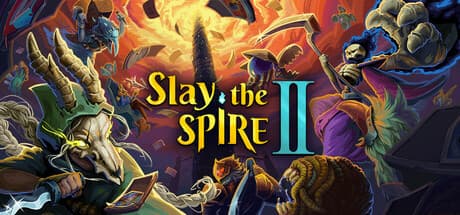
Mega Crit had an almost impossible task with Slay the Spire 2. The original is one of the most influential games of the last decade — a tight, endlessly replayable deckbuilder that essentially defined a genre and spawned hundreds of imitators. The sequel couldn't simply be more of the same, but straying too far would risk alienating the enormous community that has spent years mastering every card interaction. What Early Access month one reveals is a team that has found a genuinely clever answer to that dilemma.
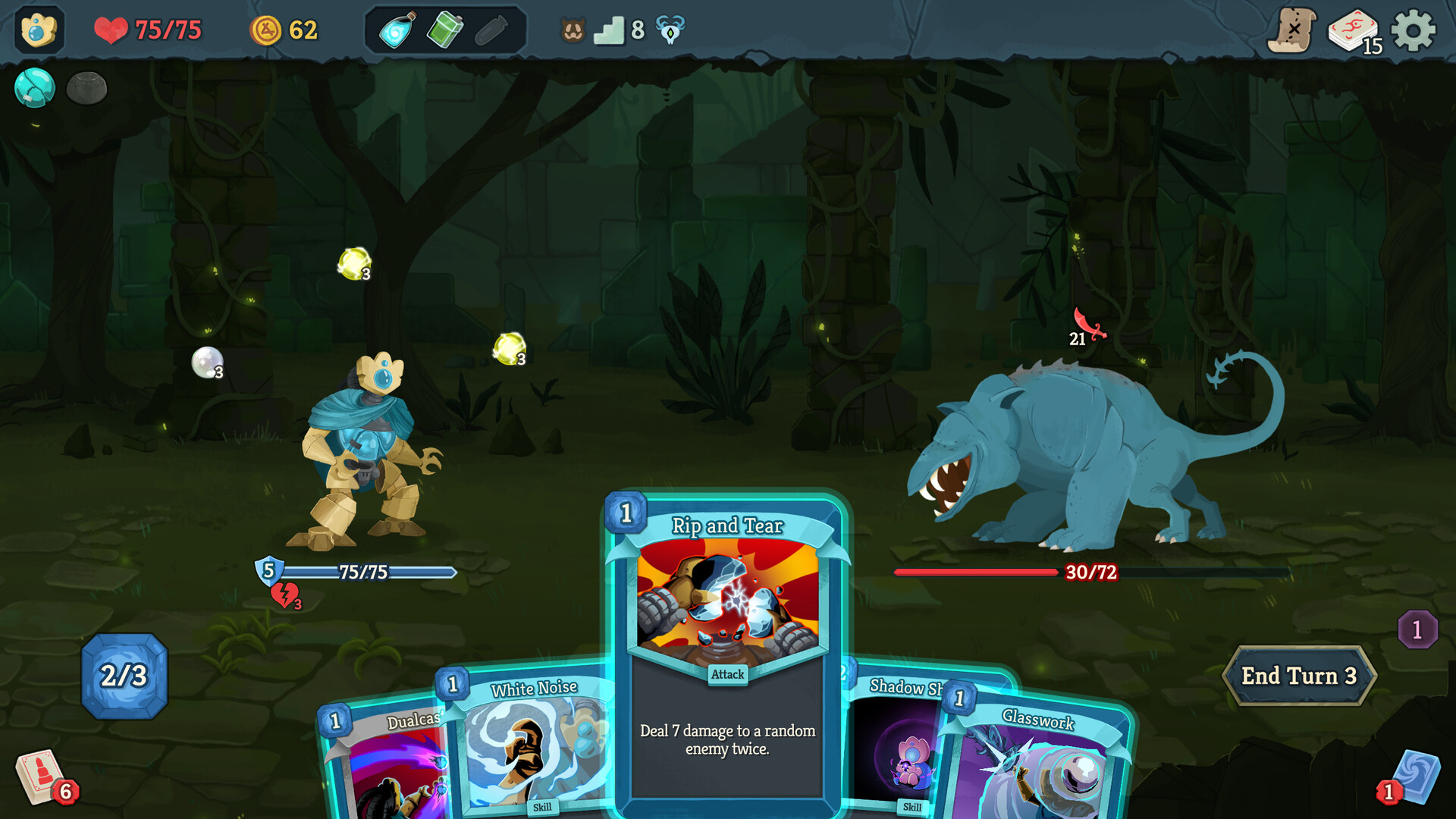
The visual overhaul is immediately apparent. Gone are the simple 2D sprites of the original, replaced with richly animated character models and environmental details that give each act a stronger sense of place. Card art is more elaborate, relic icons are more readable at a glance, and the UI has been redesigned to accommodate the increased complexity without feeling cluttered. The soundtrack, composed once again by Clark Aboud, expands on the original's moody synth score with more dynamic compositions that shift based on the state of combat — low health triggers more urgent percussion, while dominant board states bring in triumphant brass.
The bones are familiar: you climb a procedurally generated spire, fight turn-based card battles against escalating enemies, collect relics that warp the rules of the game, and try to survive long enough to reach the act boss without watching your carefully assembled deck collapse. The five starting characters — Ironclad, Silent, and Defect return from the original, joined by newcomers the Necrobinder and the Regent — each play differently enough that you can run dozens of attempts without encountering the same strategic problems twice.
The two new characters are where Mega Crit's design philosophy shines brightest. The Necrobinder manipulates a unique resource called Soul Threads — expendable tokens generated by killing enemies that can be woven into powerful temporary cards mid-combat. It creates a playstyle where you actively want fights to drag out just long enough to stockpile resources for a devastating finish. The Regent, by contrast, operates through a court system where cards are categorized as Edicts, Decrees, and Mandates, each strengthening the others when played in specific sequences. Mastering the Regent requires understanding card order in a way that none of the original characters demanded, and the resulting builds feel genuinely novel in a genre that can sometimes blur together.
The new co-op mode is where things get genuinely interesting. Four players can climb the spire together, and the multiplayer-specific cards and relics introduce a layer of coordination that the solo game never needed. Choosing who takes which relic at a campfire or how to split defensive duties against a multi-hit boss creates the kind of moment-to-moment negotiation that makes co-op games feel alive. It's imperfect in Early Access — the pacing occasionally drags when one player is slower to make decisions — but the potential is obvious.
The alternate acts system is the other major structural addition. Certain paths through the spire branch into entirely different biomes with different enemy sets and environmental modifiers, meaningfully expanding build options beyond what the original offered. Cards that were situational in the first game become staples in specific alternate act runs, and vice versa. It rewards knowledge accumulation in ways that keep veteran players continuously learning.
Balance in a game this complex is always a moving target, but Mega Crit has shown remarkable restraint. Rather than nerfing dominant strategies into the ground, patches have generally lifted underperforming options to create more viable paths. The community tier lists are already shifting weekly as players discover new synergies, and the daily challenge mode — which applies random modifiers to a seeded run — has become a competitive fixture with its own leaderboards. The modding framework, while still in early stages, already supports custom cards and relics, and the Steam Workshop integration promises a long tail of community content.
As an Early Access product, it's remarkably solid. Crash rates are low, balance is — considering the complexity — surprisingly tight, and Mega Crit has already shipped one notable patch addressing community feedback from launch week. The studio estimates another year or two before a 1.0 release, which is a long runway, but the foundation already feels like something that earns its overwhelmingly positive reception.