
South of Midnight is one of the most visually distinctive games of 2026. Compulsion Games' stop-motion inspired art style transforms the American Deep South into something that looks like a living diorama — swamps shimmer with an otherworldly glow, and creatures from Southern folklore prowl through landscapes that feel like dark fairy tales.
The stop-motion aesthetic is not merely a filter — Compulsion Games has committed to the style at every level of the presentation. Character animations have a deliberate, frame-skipped quality that mimics stop-motion puppetry, textures look like they were crafted from clay and fabric, and lighting behaves as though it were hitting physical miniatures rather than digital models. The result is one of the most visually cohesive games in recent memory, even if the lower animation framerate takes some adjustment in the first hour.
The setting is the game's greatest strength. Drawing from African American folklore and Southern Gothic traditions, South of Midnight explores mythology that games rarely touch. Hazel, the protagonist, is a compelling lead whose personal story weaves naturally into the larger supernatural narrative.
The creature designs are exceptional. Drawing from figures like the Boo Hag, the Plat-eye, and the Rougarou, Compulsion has created a bestiary that feels rooted in genuine folklore rather than generic fantasy. Each creature has lore attached that Hazel can uncover through exploration, and the game handles its source material with a respect and specificity that elevates it above typical supernatural fare. The voice cast — led by a standout performance from the lead actress — brings warmth and authenticity to the Southern dialect that grounds the fantastical elements.
Combat borrows liberally from the Souls-like playbook — dodge timing, stamina management, and pattern recognition are all essential. It works well enough in the early hours, but the enemy variety does not keep pace with the game's length, leading to repetitive encounters by the midpoint.
Exploration similarly starts strong but plateaus. The world is gorgeous to look at but lacks the density of secrets and meaningful side content that keeps open-world games compelling. You will want to explore because it is beautiful, not because the game rewards curiosity.
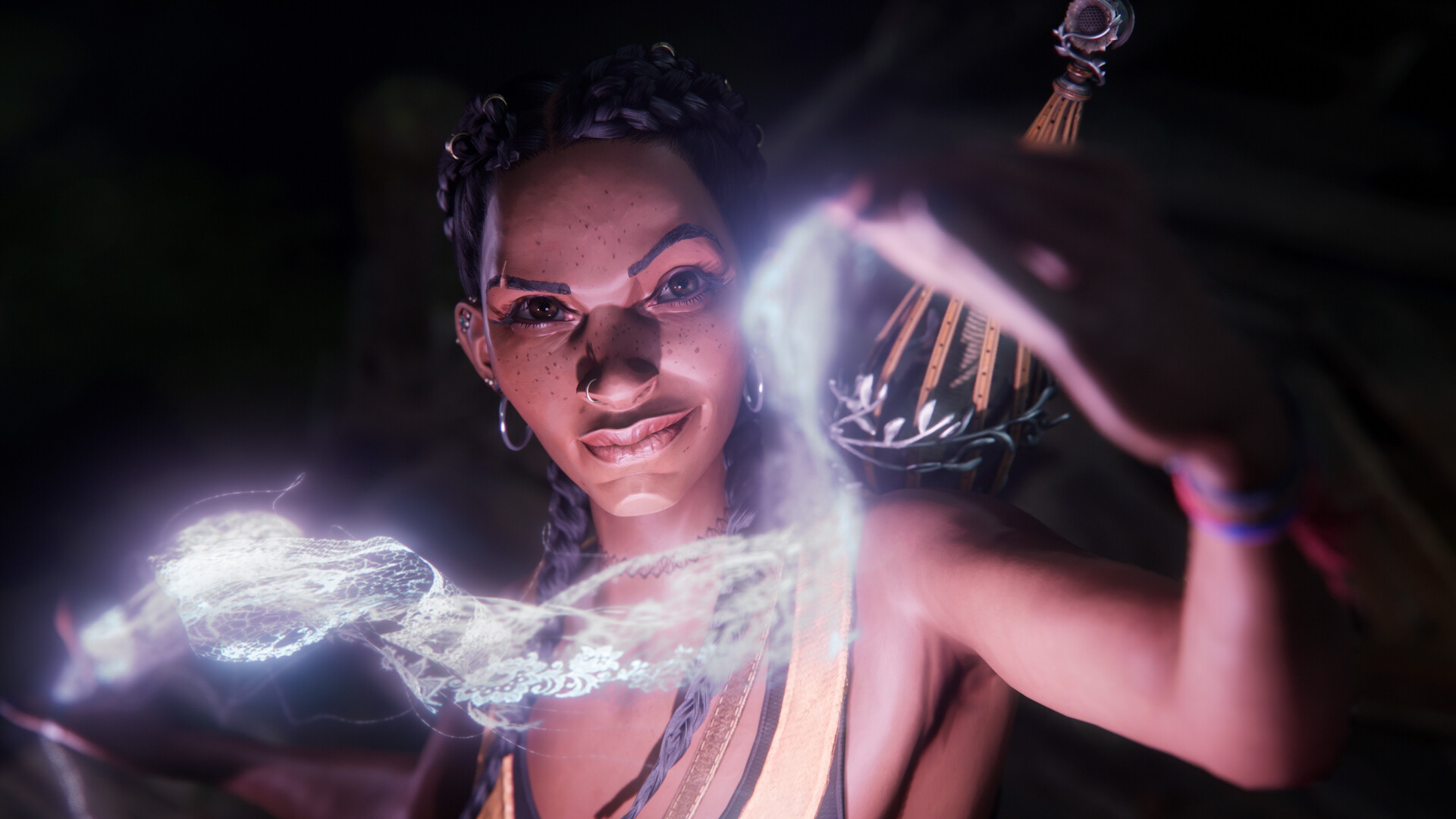
The weaving mechanic — Hazel's primary supernatural ability — is an interesting addition to combat but feels underutilized. By absorbing energy from defeated creatures, Hazel can weave spells that buff her abilities or debuff enemies. The system has depth on paper, with multiple weave combinations and situational applications, but the game rarely demands that you engage with it beyond basic attack buffs. A more aggressive difficulty setting might have forced players to explore weaving's full potential, but on the default setting, straightforward combat carries you through most encounters without much experimentation.
The story, while culturally rich, loses momentum in its second half. Plot threads that start strong resolve in predictable ways, and the final act feels rushed compared to the measured pacing of the opening.
The soundtrack is a highlight that deserves recognition. Blending blues, gospel, and folk music with orchestral scoring, the music captures the spirit of the Deep South in a way that feels authentic rather than stereotypical. Environmental audio is equally impressive — cicadas drone in swampy areas, wind whispers through Spanish moss, and the distant sound of church bells marks the passage of in-game time. The audio team has created a soundscape that is as distinctive as the visual style, and the two work together to create an atmosphere unlike anything else in gaming.
South of Midnight is a game of extraordinary ambition and uneven execution. Its art direction and cultural setting are genuinely groundbreaking, but the gameplay does not quite match the vision. Still, it is absolutely worth experiencing — especially on Game Pass.
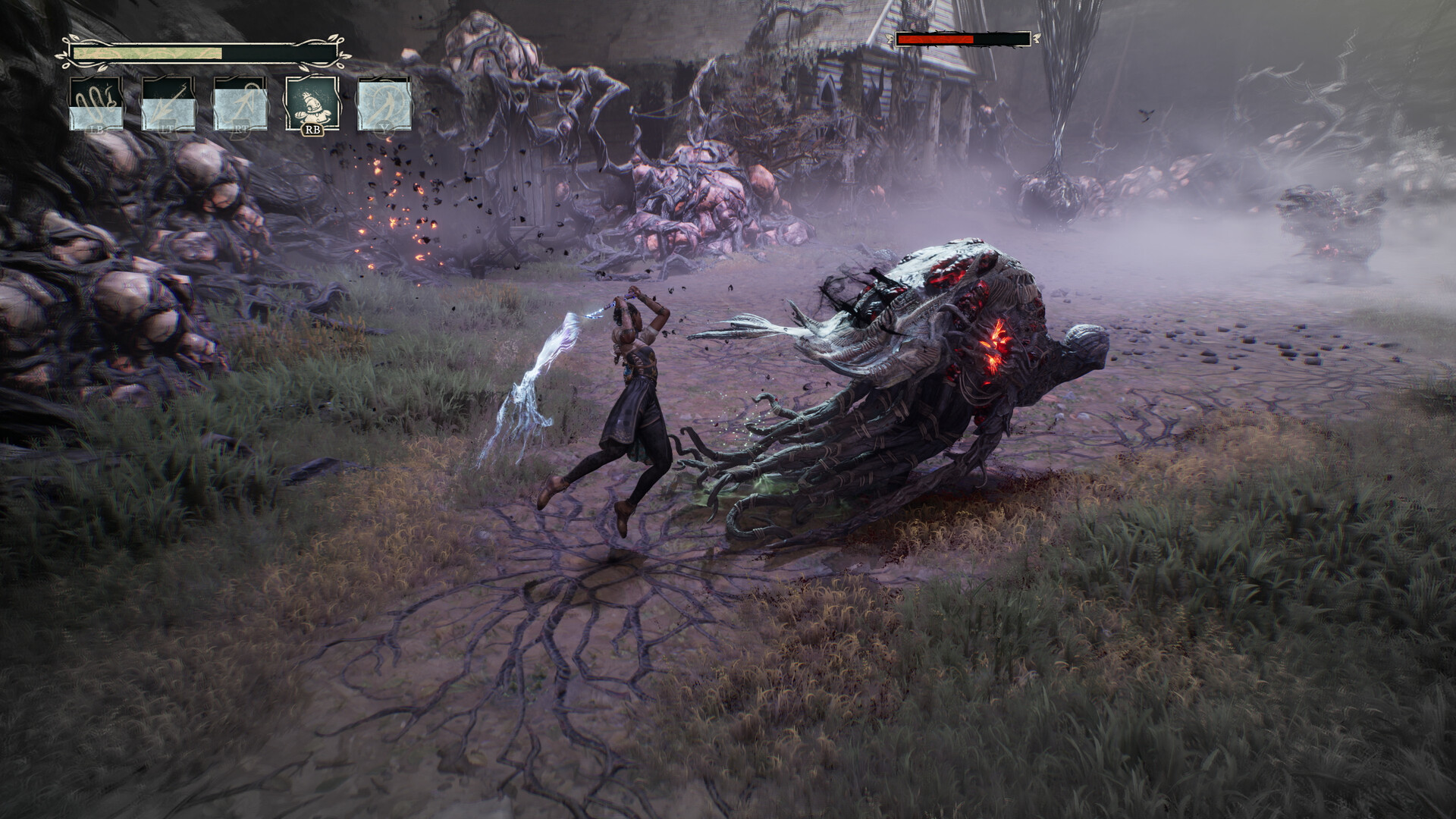
Performance on Xbox Series X is generally solid, though some areas with heavy particle effects cause noticeable frame drops. The game launched as a day-one Game Pass title, which means the barrier to entry is low — and that is the right way to experience South of Midnight. It is the kind of game that benefits from low expectations, where the art direction and cultural setting can surprise you without the weight of a full-price purchase hanging over every shortcoming. A single playthrough runs about fifteen hours, with minimal post-game content beyond collectible cleanup.