
The original Subnautica was a masterclass in environmental storytelling and atmospheric horror, dropping players alone into an alien ocean and trusting them to find their way through wonder and terror in equal measure. Subnautica 2 keeps the formula that worked and adds the one feature fans have demanded most: cooperative multiplayer. The result is a game that preserves the magic of solitary exploration while opening up entirely new dynamics when friends dive in alongside you.
Co-op is the headline feature and it transforms the experience in ways both expected and surprising. Exploring a dark cave system with a friend carrying a flashlight while you scan fauna creates moments of genuine camaraderie. Coordinating base construction, where one player gathers resources while another builds, makes the crafting loop feel less grindy and more collaborative. But the most impactful change is how multiplayer affects the horror. The deep ocean is terrifying alone; with friends, fear becomes shared, creating a different but equally powerful emotional experience where screaming together at a leviathan attack becomes a bonding moment.
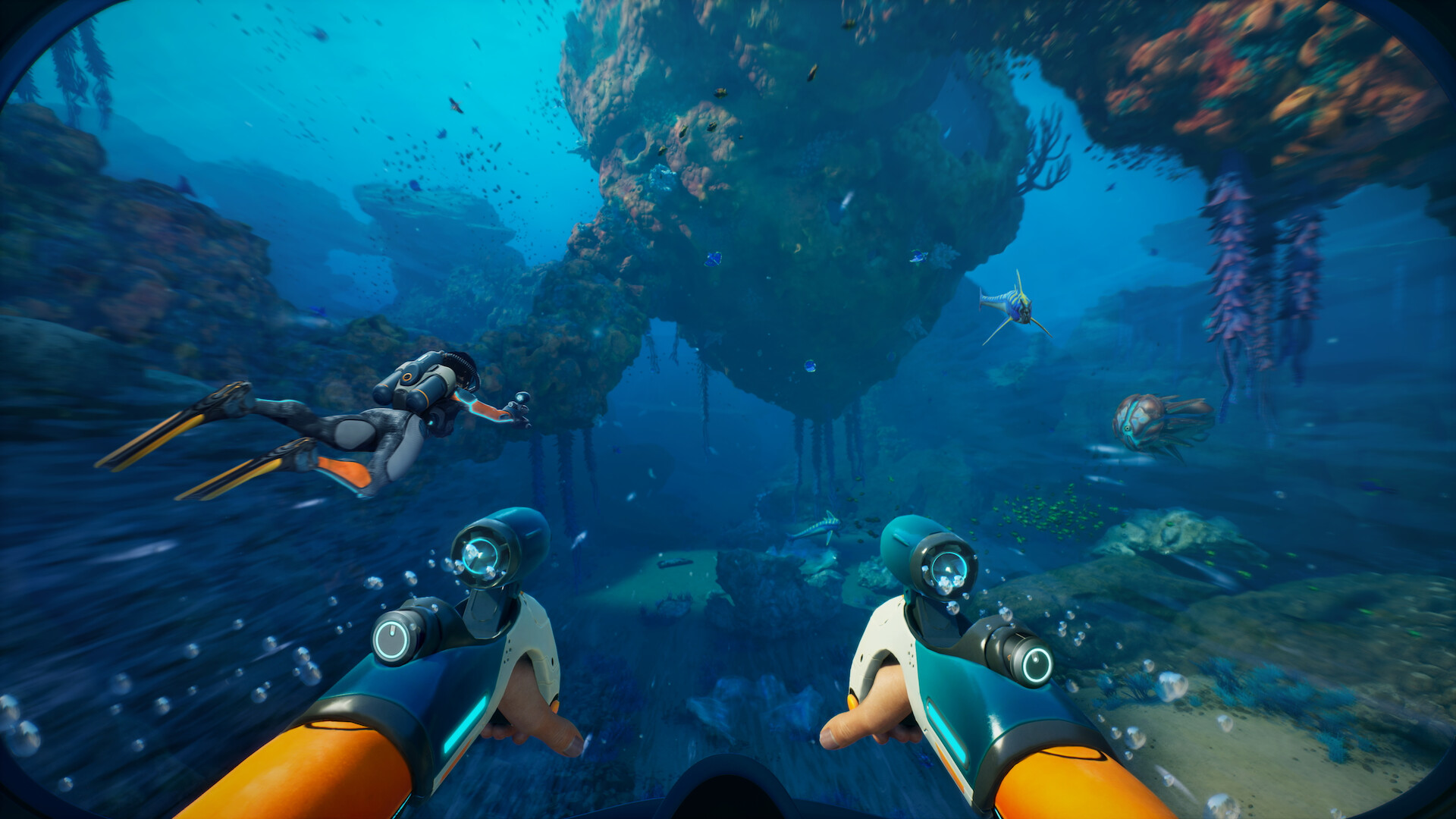
The new planet offers biomes that are more visually diverse and ecologically complex than the original. Bioluminescent coral forests pulse with otherworldly light, deep-sea trenches reveal creatures that would not be out of place in a cosmic horror story, and the open-water zones create a sense of vulnerability that the original never quite captured. The art direction is consistently stunning, making Subnautica 2 one of the most beautiful games of the year when you stop to appreciate the scenery between moments of panic.
The DNA modification system is the most interesting mechanical addition. Rather than simply crafting better equipment, players can now splice alien DNA into their own biology, gaining abilities like enhanced night vision, toxin resistance, or temporary gills that extend underwater exploration time. It is a clever narrative justification for progression that fits the science fiction setting perfectly and creates build diversity that the original game lacked.
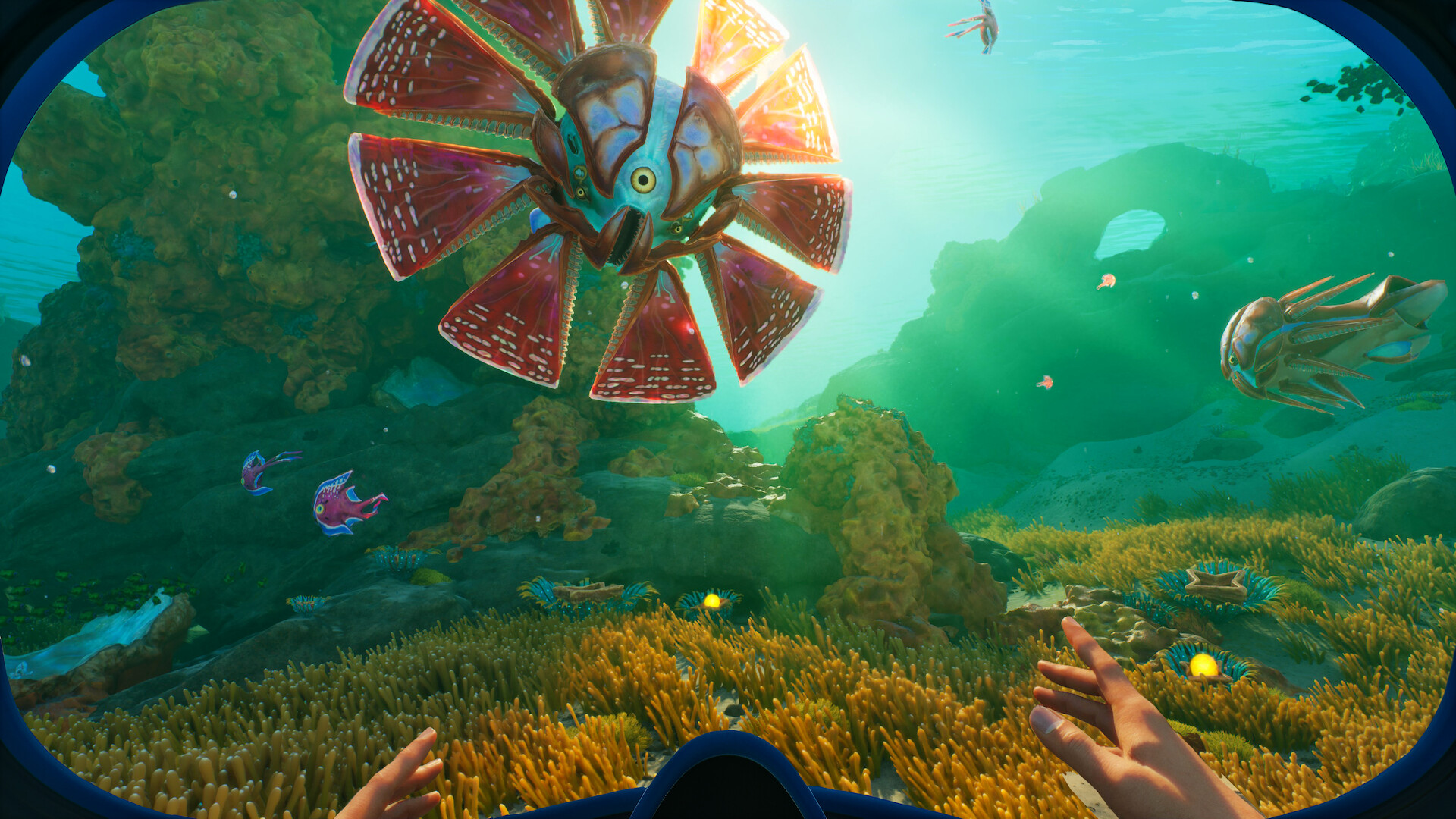
Sound design deserves special recognition. The underwater audio environment is extraordinary, with muffled ambience, distant creature calls, and the creaking of your vessel creating a soundscape that is simultaneously beautiful and deeply unsettling. When a leviathan roars in the distance and the controller vibrates with its approach, the primal fear response is genuine.
The early access origins are visible, however. Bugs range from minor visual glitches to occasional crashes that can cost progress if you have not saved recently. Performance in complex base areas with multiple players can drop noticeably, and the pop-in distance for terrain and creatures creates moments where the illusion of a seamless underwater world breaks. These are expected early access issues, but they temper the overall experience.
The story, which was one of the original game's greatest strengths, is still clearly in development. The framework is in place, with tantalizing mysteries about the new planet's history and the circumstances of your arrival, but the narrative threads have not yet been woven into a satisfying whole. This is the most significant early access caveat: the story that will ultimately define the experience is not yet finished.
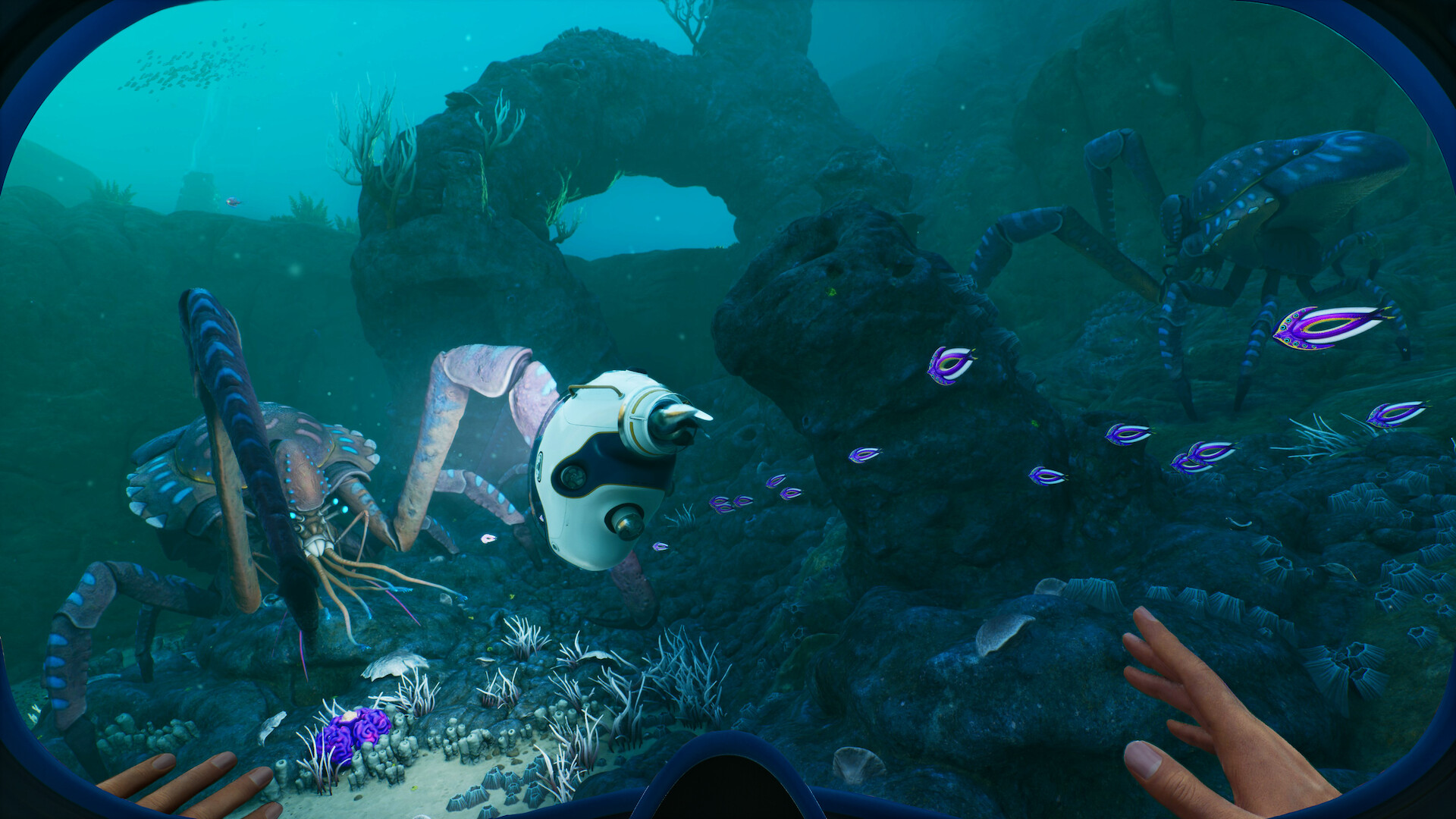
Some survival mechanics have been simplified from the original, which will please casual players but disappoint those who enjoyed the more demanding resource management. Water and food requirements are less punishing, crafting recipes are more forgiving, and the overall difficulty curve is gentler. Whether this is a positive change depends entirely on what you valued most about the original's challenge.
Subnautica 2 in its current state is a beautiful, atmospheric, and occasionally terrifying underwater adventure that is significantly enhanced by the addition of co-op multiplayer. The foundation is excellent, the new systems are promising, and the biomes are stunning. It is not yet the complete experience it will eventually become, but even in early access, the call of the deep is irresistible.