
A decade on from its original release, The Witcher 3: Wild Hunt has not just stood the test of time, it has cemented itself as the gold standard of the Western RPG genre. CD Projekt RED created something that fundamentally changed what players expect from open-world games, and its influence can be felt in virtually every RPG that has followed.
Geralt of Rivia is gaming's most compelling protagonist for a reason. He is not a blank slate or a silent avatar; he is a fully formed character with a century of history, dry wit, and a moral code that bends but never breaks. Every conversation gives you choices that feel authentically Geralt rather than artificially binary, and the game trusts you to live with the consequences of those decisions hours later.
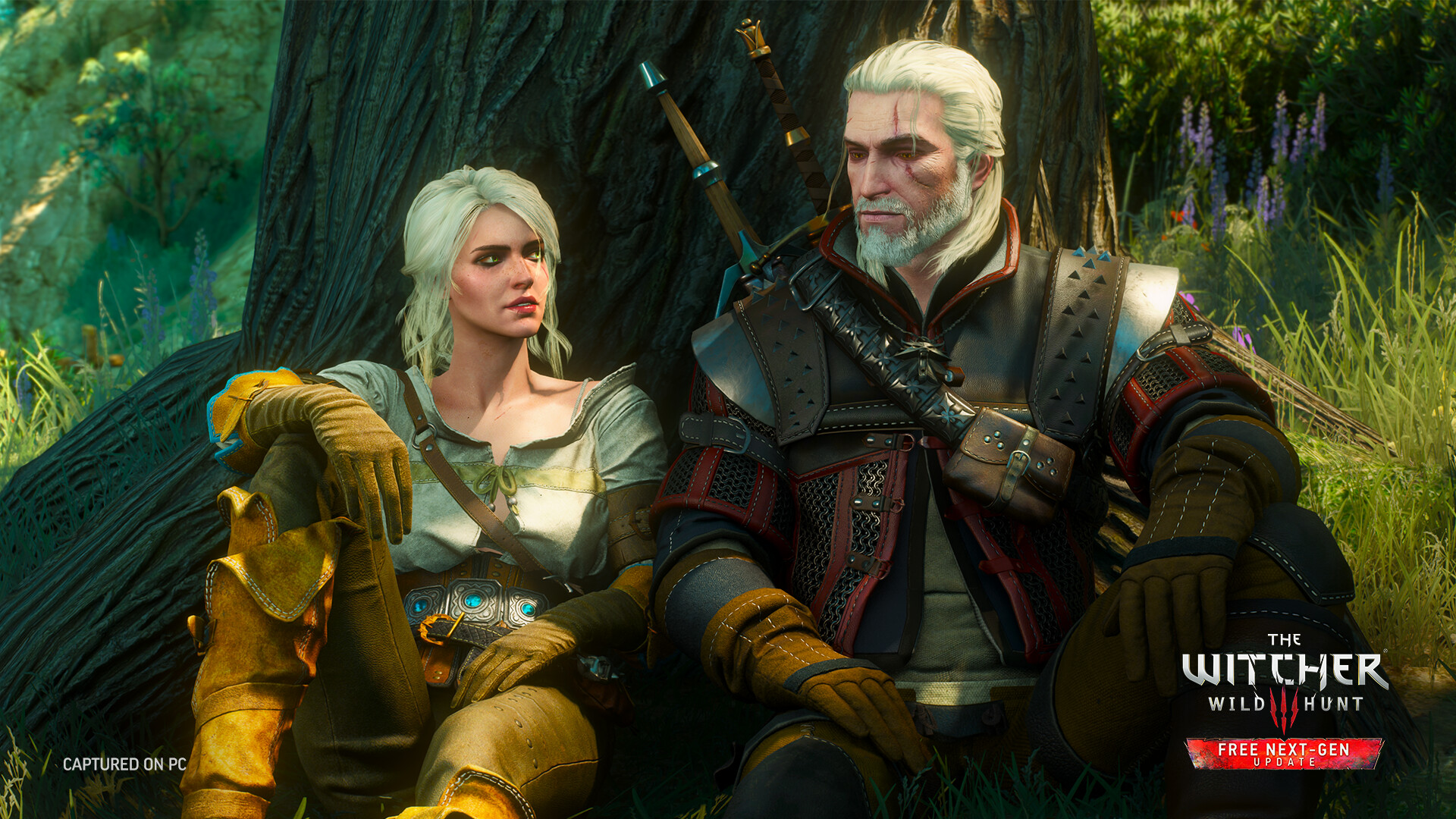
The quest design is where Wild Hunt truly separates itself from the pack. What other games would treat as throwaway side content, CD Projekt RED elevates into miniature masterpieces. The Bloody Baron questline alone contains more narrative depth than many full-length games. Every contract, every side quest, every random encounter in a village feels like it was written with the same care as the main story. This consistency across hundreds of hours of content is staggering.
The world itself is a dark, beautiful tapestry of war-torn kingdoms and monster-infested wilds. Velen's muddy battlefields and hanging bodies tell the story of a land ravaged by conflict. Novigrad pulses with the energy of a city tearing itself apart through religious persecution. Skellige's craggy islands evoke Norse mythology with a raw, untamed beauty. Each region has a distinct identity that makes exploration feel like traveling to genuinely different places.
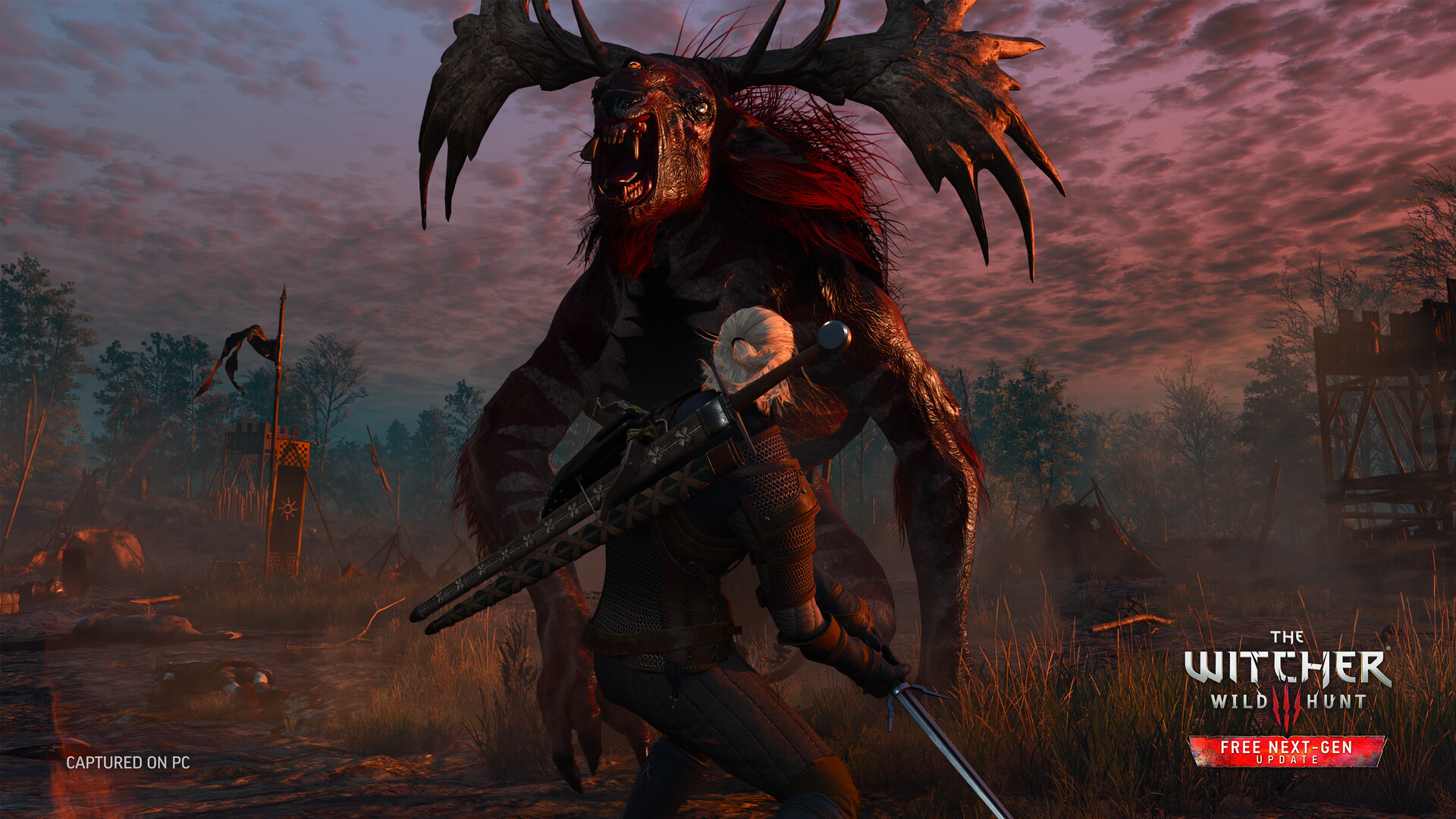
Combat is perhaps the game's weakest link, though the Next-Gen update made significant improvements to the feel of swordplay. The system is serviceable and becomes more enjoyable as you unlock advanced signs and alchemy builds, but it never reaches the heights of the storytelling. Boss fights against unique monsters, however, remain highlights that blend the thrill of the hunt with genuine danger.
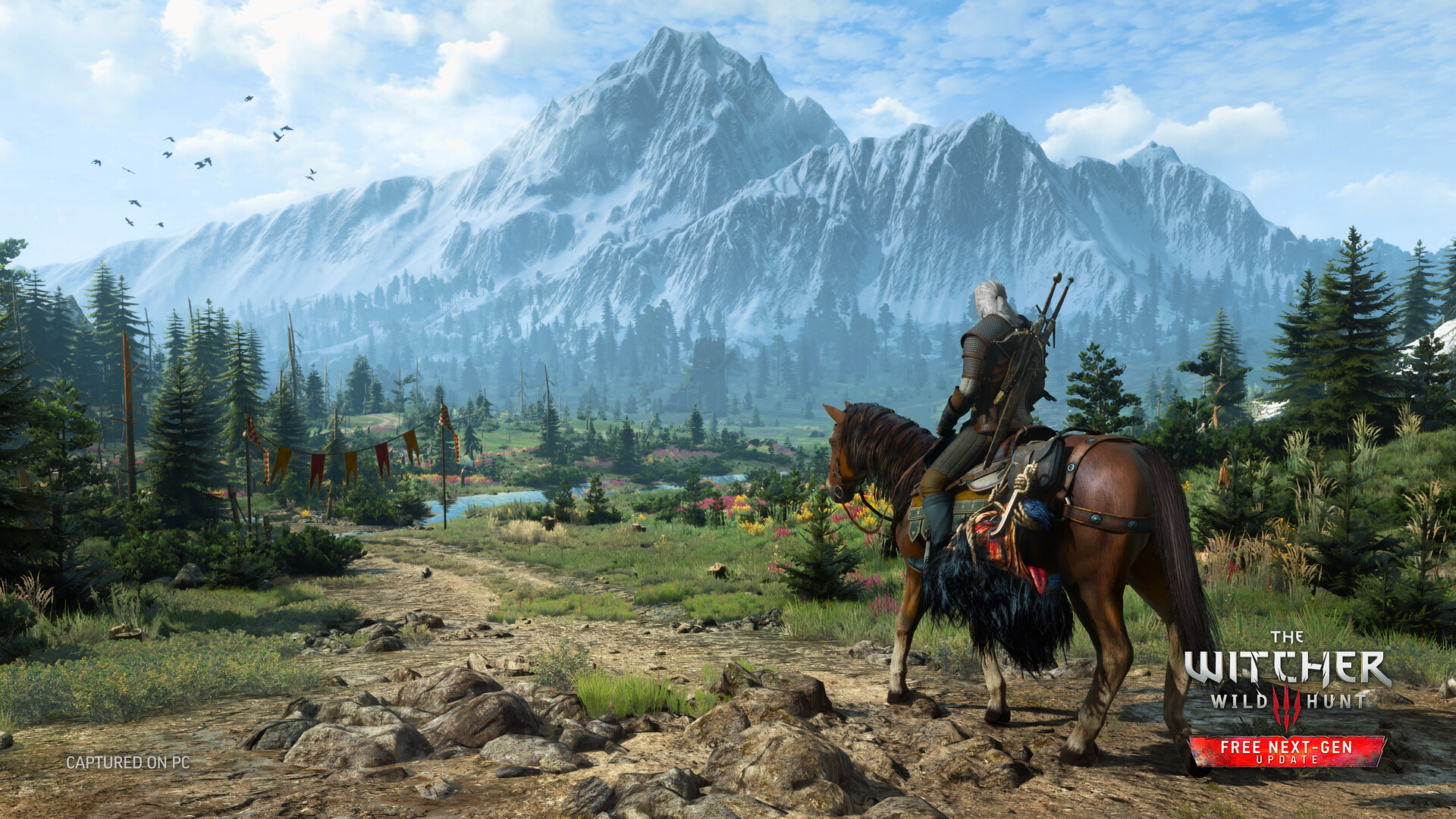
The soundtrack is among the finest in gaming history. Marcin Przybylski and Mikolai Stroinski crafted a score that perfectly captures every mood the game reaches for, from the haunting Slavic vocals of the Skellige theme to the frenetic combat tracks. The music elevates every moment, turning simple horseback rides through the countryside into cinematic experiences.
Hearts of Stone and Blood and Wine deserve special recognition as two of the greatest expansions ever created. Hearts of Stone tells a Faustian tale that rivals the main game's best moments, while Blood and Wine essentially delivers an entirely new game set in the stunning fairy-tale region of Toussaint. Together, they add another 50-plus hours of premium content.
The Next-Gen update brought ray tracing, improved textures, and quality-of-life changes that make this the definitive way to experience the game. Performance on modern hardware is excellent, and the visual upgrades breathe new life into an already beautiful game without compromising the original art direction.
The Witcher 3: Wild Hunt is not just a great RPG; it is one of the most important games ever made. It proved that players hunger for rich, mature storytelling and will embrace complexity over simplicity. Every RPG that has launched since 2015 exists in its shadow, and very few have managed to step out of it.