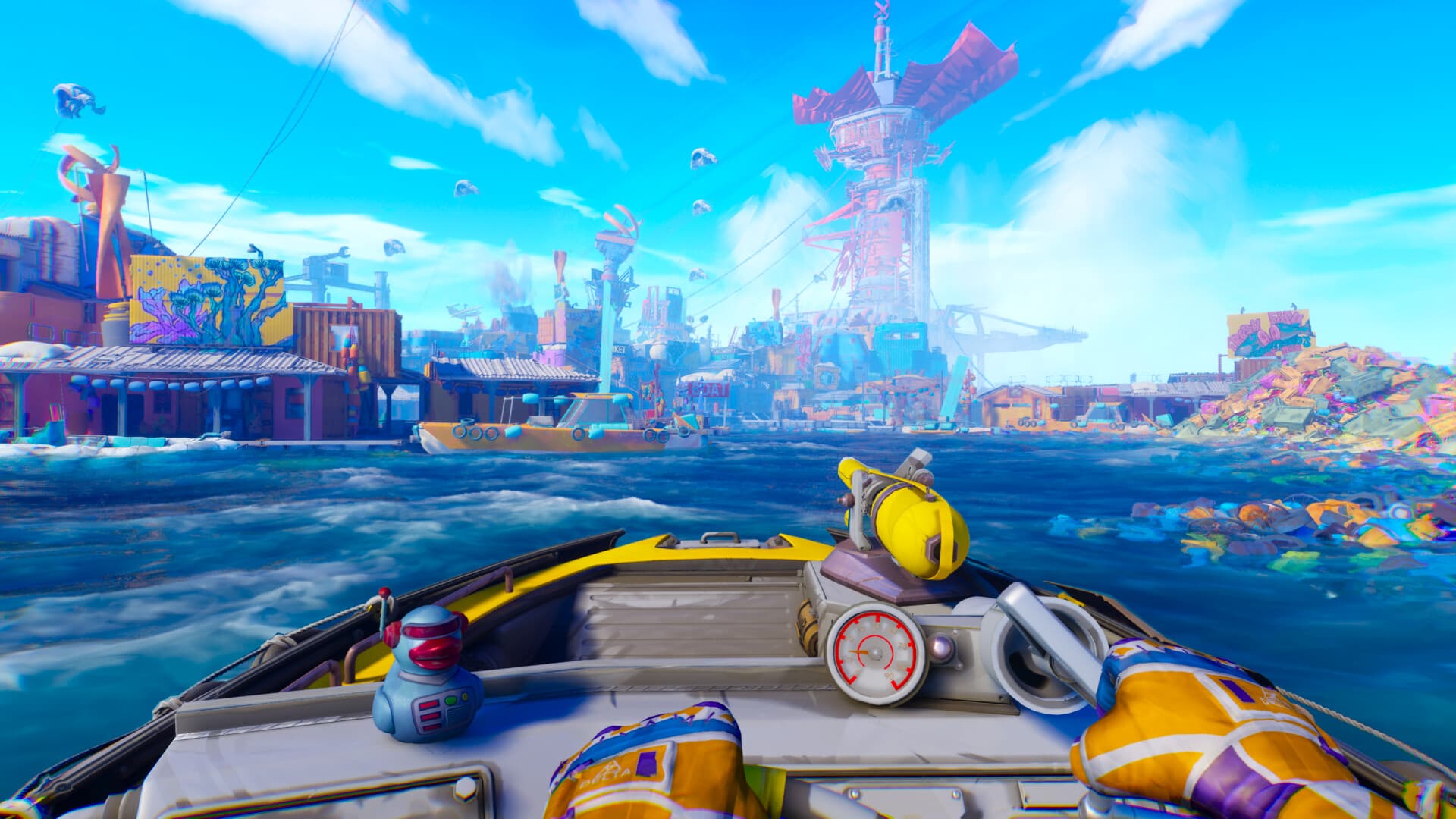
DigixArt doesn't make small games. The French studio that delivered Road 96 and Lost in Harmony has always punched well above its weight class when it comes to ideas, and Tides of Tomorrow — its biggest and most technically ambitious project to date — launches today on PlayStation 5, Xbox Series X|S, and PC. On paper it's a first-person narrative adventure set in a flooded "plasticpunk" future. In practice, it's an experiment in asynchronous multiplayer storytelling unlike anything else on the market right now.
Published by THQ Nordic, the game releases worldwide in a synchronized rollout at 10:00 AM Pacific / 7:00 PM Central European Summer Time. Anyone who pre-ordered gets the Delta Agent DLC, which includes a Tidewalker character suit and a Delta skin for your exploration boat. The full release price is $29.99, making it one of the more reasonably-priced narrative adventures of the season.
A Drowned World Built From Its Own Garbage
The setting is "plasticpunk," a term DigixArt coined specifically for this project. The Earth has been consumed by the oceans, humanity is scattered across floating settlements built from industrial scrap and reclaimed polymer, and the color palette is dominated by sun-bleached turquoise and brown-orange rust. There's a visual kinship with Waterworld and The Sea Beast, but the tone is closer to Kentucky Route Zero: melancholy, hopeful, and very much interested in the people who survive on the edges.
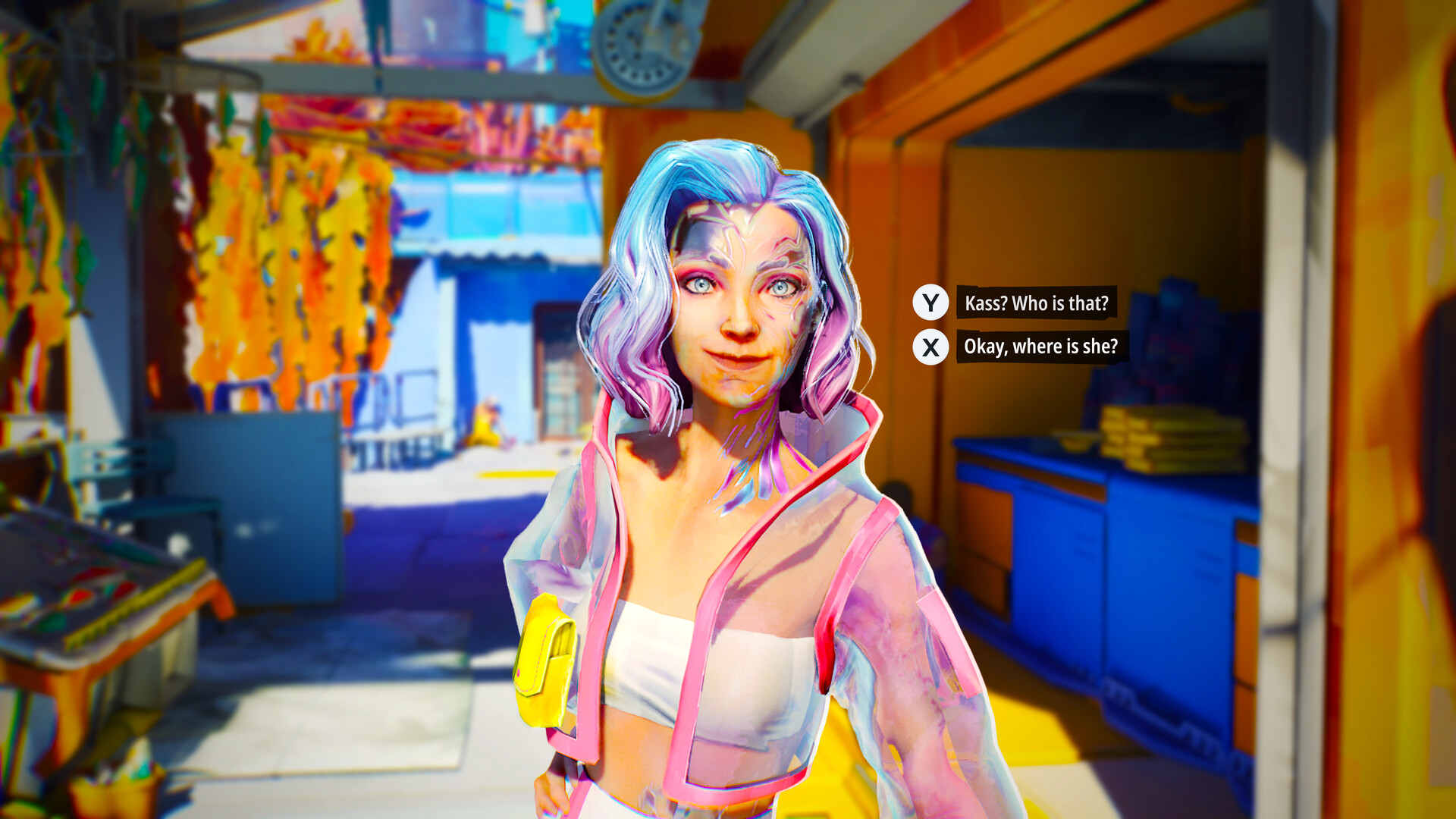
You play as a researcher who pilots a customizable exploration boat across the post-flood world, docking at settlements, running errands for the people you meet, and uncovering the story of a mysterious plague that seems to be jumping from settlement to settlement. The gameplay is largely first-person: you walk around, talk to people, solve light environmental puzzles, and make choices. There is no combat to speak of. DigixArt has described the systems as "narrative-mechanical," meaning the things you can do are all in service of the story rather than the other way around.
The Online Story-Link System
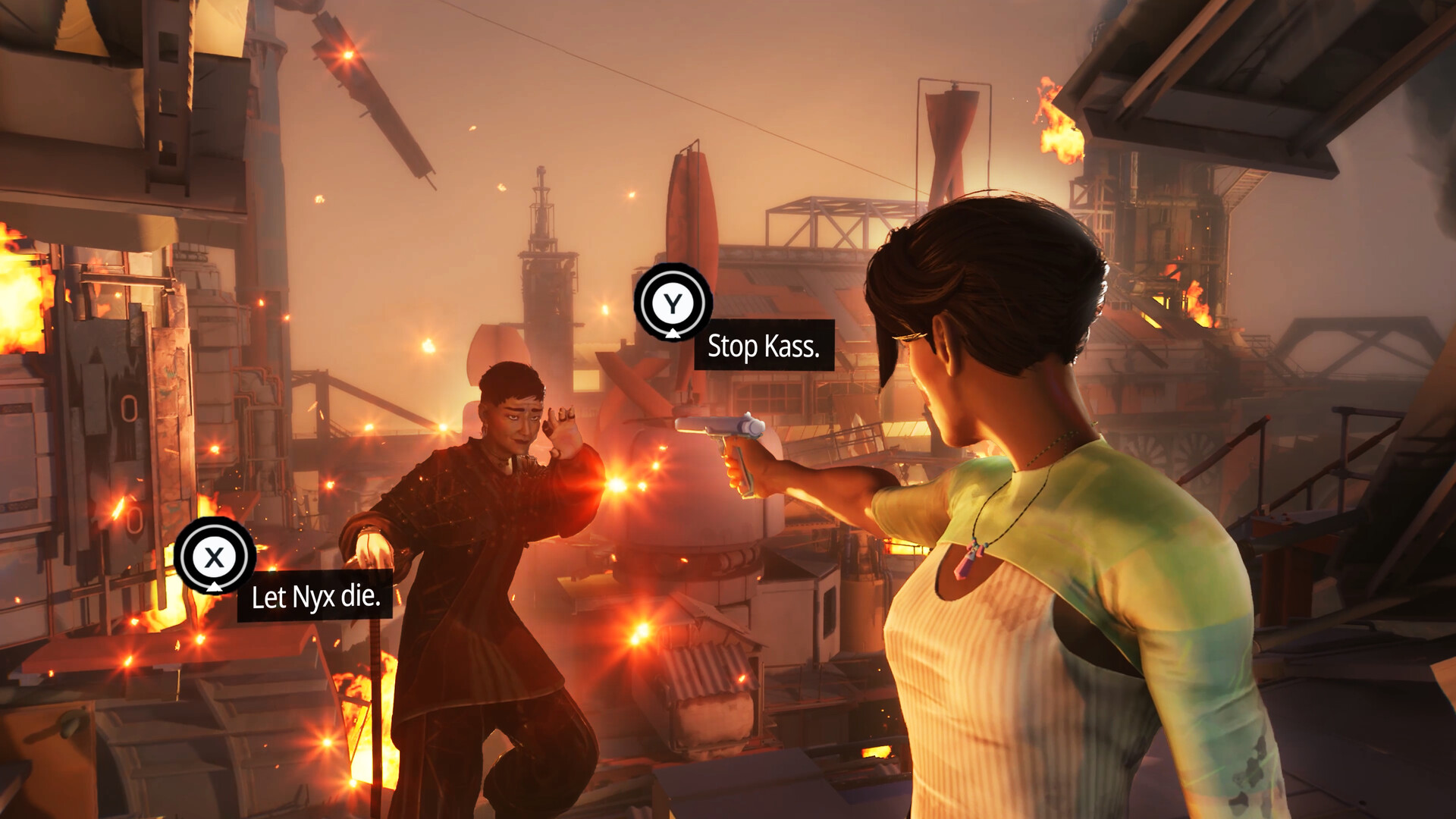
The headline feature — and the one that has journalists scrambling to describe it accurately — is the Online Story-Link system. It works like this: at key moments in your playthrough, the game asks you to make a decision. That decision is recorded and then shared, asynchronously, with other players' games. When someone else reaches a similar moment, your choice can appear as the ghost of a previous player, influencing the people they meet or the settlements they visit. And vice versa. Every playthrough is a thin strand connected to thousands of others.
It's not quite Death Stranding's asynchronous infrastructure-sharing and it's not quite Dark Souls' message system. It's something more subtle. Characters in the world may remember choices "someone like you" made a few weeks ago in a town hundreds of kilometers away. A decision about whether to share medicine or hoard it in Chapter 2 might surface as a rumor a stranger passes along in Chapter 5 of someone else's game. The result is a world that feels populated not just by NPCs but by the unseen fingerprints of other real players making decisions at the same time you are.
DigixArt has been careful to note that Story-Link doesn't require an always-online connection, and the game is fully playable offline. If you're disconnected, you simply don't contribute to or receive from the shared decision pool. The story you get is still coherent. You just miss the community layer.
Early Review Response
Reviews went live Tuesday after the embargo lifted at 17:00 CEST on April 21st, and the early critical consensus is broadly positive if measured. Insider Gaming's review called the Story-Link concept "the most interesting idea in narrative design this year, even if the range of possibilities sometimes has little consequence." Game Informer published a review titled "An Effective Ripple Effect" that praised the game's pacing and visual identity but noted that the Story-Link system's impact can feel inconsistent — sometimes a previous player's choice dramatically reshapes a scene, other times it's a passing line of flavor dialogue.
Still, nearly every review has reserved particular praise for the writing. DigixArt's lead writer team — many of them carried over from Road 96 — has built a world that feels specific, lived-in, and quietly angry about the catastrophe it's depicting. The ecological underpinning isn't preachy, but it's not subtle either, and the characters you meet tend to have strong, clear feelings about how the world ended and who's responsible for keeping it livable now.
The Boat, The Suit, and Customization
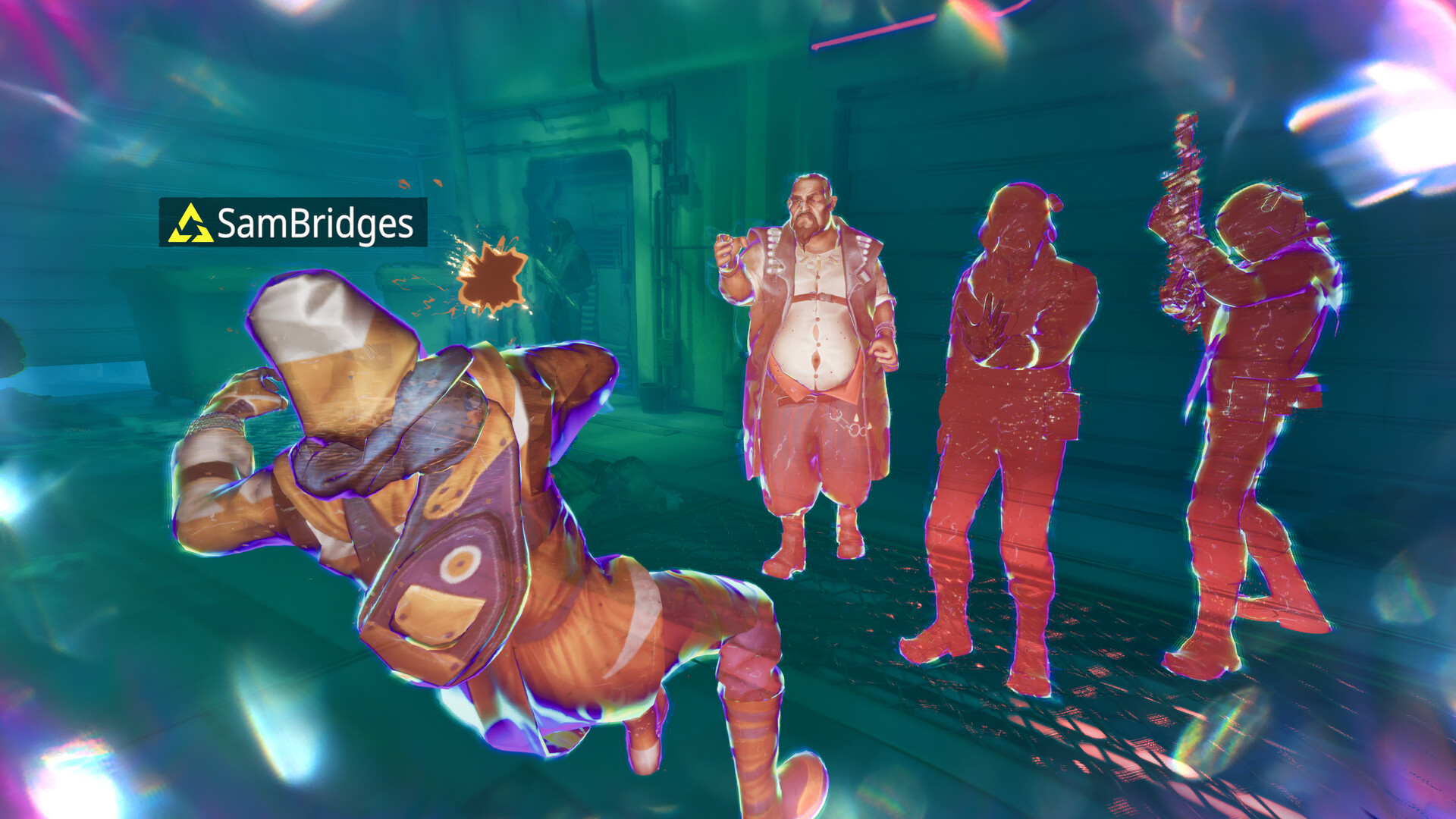
Between settlements, you travel by exploration boat. The boat is customizable — both cosmetically and functionally — and upgrades you unlock over the course of the campaign let you visit areas that were previously inaccessible. Pre-order owners get the Delta skin, which is mostly cosmetic but comes with a slight boost to fuel efficiency. Your Tidewalker suit, the protective gear you wear on shore excursions, can be similarly customized and upgraded.
The exploration segments have drawn comparisons to Sable and Journey, though DigixArt has been clear that Tides is a much wordier, more character-driven experience than either of those. You spend significant time reading dialogue and picking between response options. If you came in expecting a mostly-silent traversal game, you will not get that. The boat is a way to move between conversations, not an end in itself.
The 40-Minute Demo Is Still Live
If you're on the fence, the free demo DigixArt released last month is still available on Steam and the PlayStation Store. It contains roughly 40 minutes of gameplay from the opening chapter, introduces the core survival mechanics, and — crucially — lets you experiment with the Story-Link system. Decisions you make in the demo carry over into the full game if you purchase it, so you're not losing progress if you try before you buy.
The demo has been a small sensation in its own right. It briefly trended on Steam's top demos list in late March, and DigixArt has said the conversion rate from demo-player to pre-order has been "meaningfully above" what THQ Nordic projected.
A Quiet Launch That Could Punch Above Its Weight
Launching the same day as Peter Molyneux's Masters of Albion, on the same week as the Diablo 4 expansion, in the same month as Pragmata and Hades II's console release, Tides of Tomorrow is dropping into one of the most crowded release windows of 2026. That's not nothing. But it's also the kind of game that tends to find its audience slowly through word of mouth rather than opening-weekend spikes. The Story-Link hook alone — that your playthrough is leaving a trace on strangers' games — will drive the kind of conversations that propagate well on social media.
DigixArt has earned that benefit of the doubt, too. Road 96 was a small game when it released, and it kept getting bigger and more beloved over the course of a year. If Tides of Tomorrow follows the same trajectory — a respectful launch, strong reviews, a slow build — it could be remembered as one of the most quietly interesting releases of the year.
It's out now. The demo is free. And somewhere in the shared decision pool, a stranger's choice is already waiting for you.
Launch Details
- Developer: DigixArt
- Publisher: THQ Nordic
- Platforms: PlayStation 5, Xbox Series X|S, PC (Steam)
- Release: April 22, 2026 — synchronized worldwide launch
- Price: $29.99 USD
- Pre-order bonus: Delta Agent DLC (Tidewalker suit + Delta boat skin)
- Demo: Free 40-minute demo on Steam and PlayStation Store